
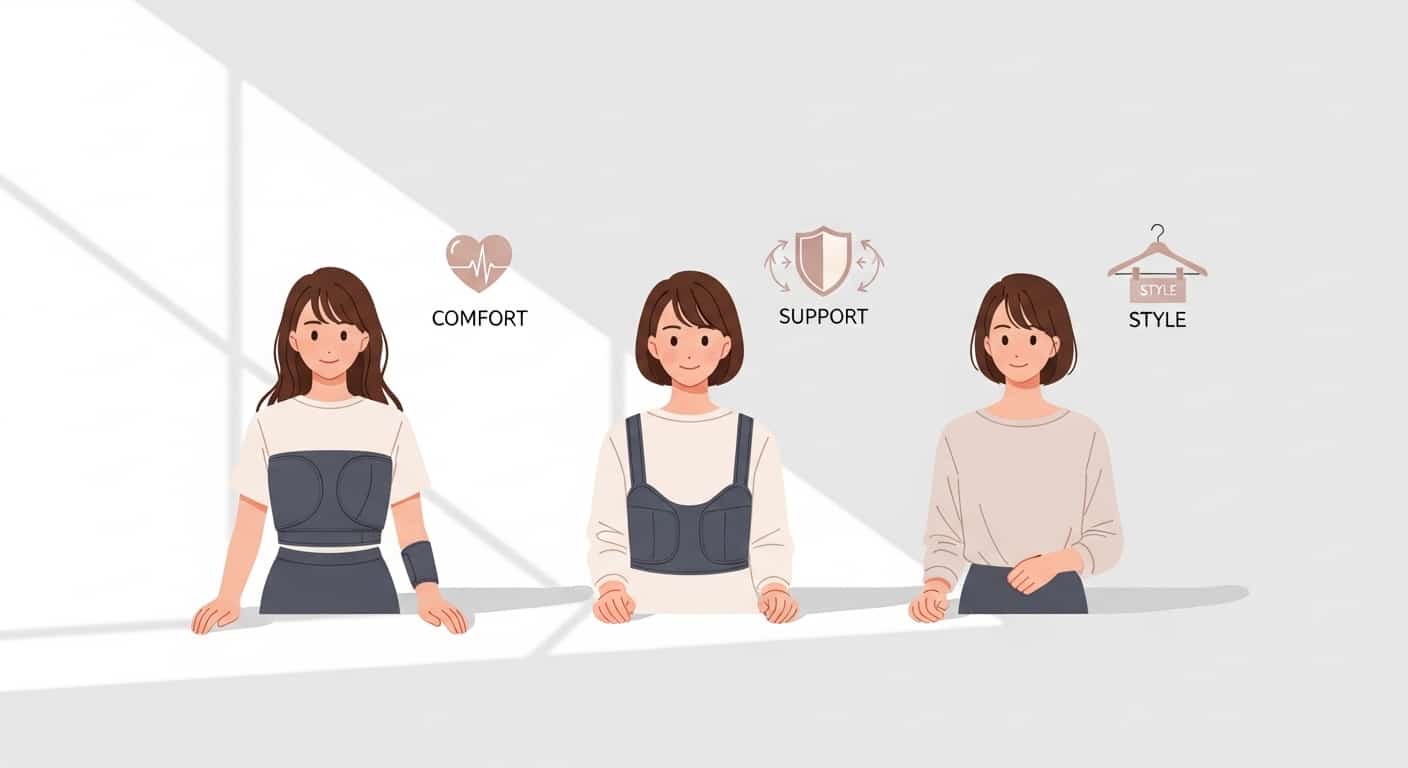
The bra is one of the most common yet debated items in a woman’s wardrobe. For some, it’s a functional necessity; for others, a fashion statement; and for many, a daily habit they can’t wait to undo the moment they walk through the front door.
But have you ever stopped to ask: Why do women wear bras? The answer isn’t just one thing—it’s a mix of biology, comfort, societal expectations, and personal choice.
1. Physical Support and Comfort
The primary functional reason for wearing a bra is support. Breast tissue is heavy and is held up primarily by the Coopers’ ligaments. Over time, or during high-impact movement, gravity and motion can put a strain on these ligaments.
- Weight Distribution: A well-fitted bra shifts the weight of the breasts to the band and straps, reducing the burden on the shoulders and back.
- Pain Prevention: For women with larger busts, going braless can lead to back, neck, and shoulder pain.
- Reducing “Bounce”: During physical activity, breasts can move significantly. Sports bras are designed specifically to minimize this movement and prevent discomfort.
2. Aesthetic and Fashion Choices
Throughout history, the silhouette of the female body in fashion has changed constantly. Bras play a huge role in how clothes fit and look.
- Shape and Lift: Many women choose bras (like push-ups or balconettes) to achieve a specific shape or “lift” that complements their outfit.
- Smooth Appearance: T-shirt bras are designed to provide a seamless look under thin or tight fabrics.
- Lingerie as Art: Beyond function, many women wear beautiful lace or decorative bras as a form of self-expression or to feel confident and empowered.
3. Modesty and Social Norms
Societal standards play a massive role in why the bra became a staple. In many cultures, the visible “nipple outline” or the natural movement of breasts is considered “unprofessional” or “too provocative.”
- Workplace Standards: Many women feel pressured to wear a bra to adhere to office dress codes or to avoid unwanted attention.
- Privacy: Padding or lining in bras provides a layer of privacy that many women prefer when in public spaces.
4. Protection and Hygiene
Sometimes, it’s about the skin.
- Skin Irritation: In hot climates, skin-on-skin contact can cause sweating and rashes (chafing) underneath the breasts. A bra provides a moisture-wicking barrier that keeps the skin dry and comfortable.
- Sensitivity: Some women have high breast sensitivity, and a soft bra acts as a protective shield against the friction of outer clothing.
The “No-Bra” Movement
In recent years, the conversation has shifted. From the “Free the Nipple” movement to the rise of bralettes and “bra-free” lifestyles during the 2020 lockdowns, many women are questioning if they need them at all.
Research has shown that for some women—especially those with smaller busts—not wearing a bra can actually strengthen the pectoral muscles. The modern consensus is becoming clear: the choice should belong to the wearer.
Conclusion
So, why do women wear bras? It’s a deeply personal decision. Whether it’s for the structural support of a sports bra, the confidence boost of a luxury set, or simply following a morning routine, the “why” is as diverse as the women themselves.