
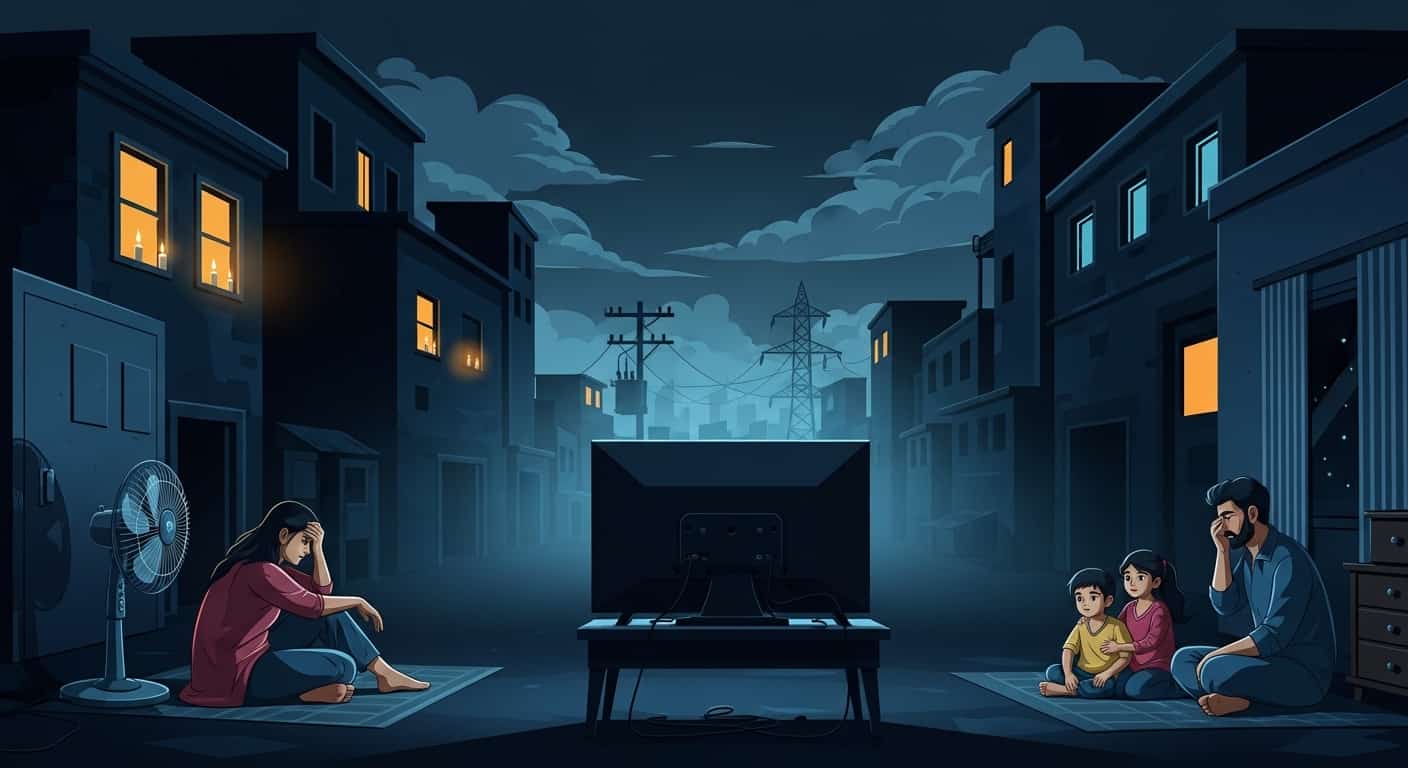
If you are experiencing a power outage in Pakistan, you are dealing with a challenge that has affected the nation’s infrastructure for decades. While a “blackout” might seem like a random event, the reasons why electricity goes off in Pakistan are usually tied to deep-rooted structural, economic, and seasonal factors.
Understanding these causes can help you better prepare for outages and understand the complexities of the national grid. Here is an authoritative breakdown of why the power goes out.
1. Circular Debt and Fuel Shortages
The most significant reason for power outages in Pakistan is economic rather than technical. This is often referred to as Circular Debt.
- The Cost Gap: The cost of producing electricity is often higher than the price collected from consumers. When the government or power companies cannot pay fuel suppliers (for oil, gas, or coal), power plants are forced to reduce their output or shut down entirely.
- Fuel Supply Chain: Pakistan relies heavily on imported fuels. Any fluctuation in global oil prices or delays in LNG (Liquified Natural Gas) shipments can lead to an immediate shortfall in the national grid, resulting in “management-based” loadshedding.
2. Seasonal Hydel Fluctuations
Pakistan’s energy mix depends significantly on hydroelectric power from major dams like Tarbela and Mangla.
- Winter Shortfalls: During the winter months, water levels in the dams drop, and canals are often closed for annual desilting and maintenance. This leads to a massive decrease in “cheap” hydel electricity.
- Summer Peak Demand: In the summer, while water flow increases, the demand for air conditioning causes the national load to skyrocket, often exceeding the system’s total transmission capacity.
3. Aging Transmission and Distribution Infrastructure
Sometimes the electricity is produced, but it cannot reach your home because of a weak transmission network.
- System Tripping: Much of Pakistan’s grid infrastructure is aging. High temperatures or heavy moisture (such as monsoon rains or winter fog) can cause insulators to fail, leading to “tripping” of high-voltage lines.
- Overloaded Transformers: In densely populated urban areas, local transformers often become overloaded. To prevent the transformer from exploding or burning out, DISCOs (Distribution Companies) must manually “shed” the load in certain neighborhoods.
4. Revenue-Based Loadshedding (The “Feeder” Policy)
In recent years, Pakistan has adopted a policy of Revenue-Based Loadshedding.
- High-Loss Areas: Power companies monitor “line losses” (electricity theft or unpaid bills) on a feeder-by-feeder basis. Feeders with high rates of theft or non-payment experience significantly more hours of power outages compared to areas where bills are paid on time.
- Technical Losses: Even without theft, old wires lose a lot of energy as heat, which contributes to the overall shortfall.
5. Scheduled Maintenance and Upgrades
Not all outages are signs of a crisis. Frequently, power is turned off for preventative maintenance.
- Grid Upgrades: To prepare for extreme weather seasons, teams must shut down local grids to replace old wires, prune trees near power lines, and service grid station equipment.
- Relocation Projects: Infrastructure projects, such as new highways or underpasses, often require moving high-voltage transmission towers, necessitating temporary outages in the surrounding regions.
Common Symptoms and Their Causes
| What You See | Likely Cause |
| Outage on a clear day | Circular debt/fuel shortfall or scheduled maintenance. |
| Power goes off during rain/fog | Technical tripping or short circuits in the local lines. |
| Low voltage / Dim lights | Overloaded local transformer or high distance from the feeder. |
| Frequent “On/Off” cycles | Load management to balance the national frequency. |
Conclusion
Electricity outages in Pakistan are a byproduct of an energy sector struggling to balance rising demand with limited financial and structural resources. While the shift toward Solar Energy and Independent Power Producers (IPPs) is helping, the national grid still requires significant modernization to provide 24/7 uninterrupted power.