Seeing a Cardinal After a Death: Meaning

If you have lost someone recently and a cardinal has appeared — at the window, in the backyard, at the feeder on a morning that already felt heavy — you already know why you are searching for this. The honest answer is: seeing a cardinal after a death is widely understood as one of the most comforting spiritual signs in nature, a belief held across centuries and cultures, and one that brings real peace to people in real grief.
Here is what the belief actually rests on, why cardinals specifically carry this meaning, and how to know when a sighting is something more than a bird doing bird things.
What "Cardinal After a Death" Actually Means
The core belief is simple: when a cardinal appears after the death of a loved one, it is the spirit of that person reaching out to say I am still near. I am safe. You are not alone.
This is not a fringe idea. It is one of the most widely reported spiritual experiences among grieving families. Funeral directors hear it regularly. Grief counselors know it well. The old saying — "When a cardinal appears, an angel is near" — has survived in folk tradition precisely because so many people have found it to be true in the only way that matters: it brings comfort at the exact moment comfort is needed.
The broader tradition of birds as spiritual messengers runs across virtually every culture that has ever paid attention to the natural world. Ancient Romans believed birds carried the souls of the dead. In many indigenous traditions across the Americas, birds were considered direct intermediaries between the earthly and the divine. The cardinal, with its impossible red against winter gray, steps into that long role with unusual visibility.
Why Cardinals Specifically? The Natural Reason Behind the Belief
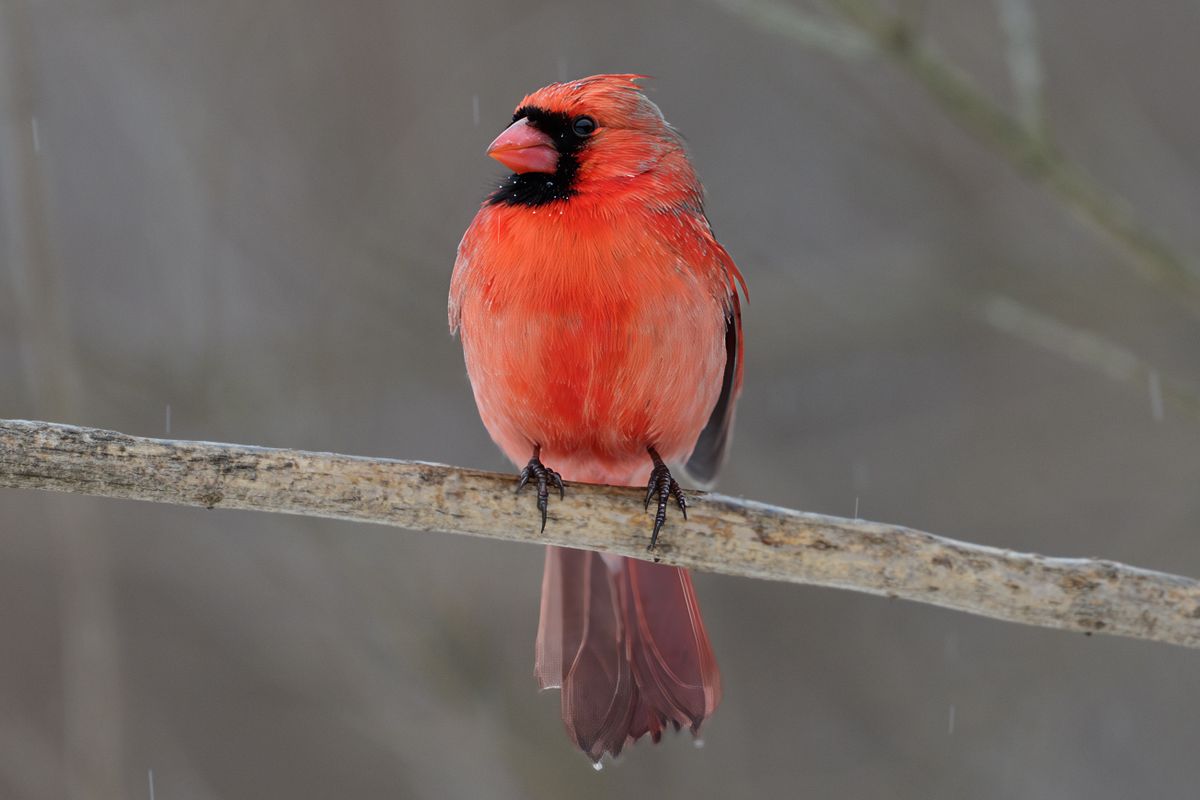
There is a practical reason the Northern Cardinal became the go-to grief messenger: it is one of the only songbirds that stays with you all year.
According to the Audubon Society, cardinals are non-migratory. They do not leave. While most songbirds vanish into southern latitudes during the darkest months of the year, the cardinal remains — bright red against leafless branches and white snow — refusing to disappear. That steadfastness reads, spiritually and emotionally, as loyalty. As presence. As the refusal to abandon you even in winter.
When grief is at its most acute — those first weeks and months when the absence of someone feels most absolute — the cardinal is still there. Day after day. That consistency is part of why the association formed, and why it sticks.
The color is the other half of the equation. Red is not easy to miss. In a muted winter landscape, a male cardinal stands out the way that person stood out in your life. It pulls the eye, holds attention, and creates a moment of stillness that grief rarely offers.
The Deceased-Loved-One Belief: How It Works
The most specific version of the cardinal-after-death belief goes like this:
When someone you love dies, their spirit does not simply disappear. It transitions. And in that transition, it sometimes finds a way to signal presence to those still grieving — most often through animals, and most visibly through the cardinal.
People who report these experiences describe the encounter with unusual consistency:
- The cardinal appeared at a significant moment: on the anniversary of the death, on the deceased's birthday, in the immediate days after the funeral, or at a moment of particular emotional intensity.
- The bird behaved unusually — lingering longer than cardinals typically linger, making direct eye contact, or returning to the same spot multiple times across days.
- The person felt something that they describe not as imagination but as recognition: a sudden, physical sense of peace, warmth, or the unmistakable feeling that they were not alone.
That last detail — the inner knowing — is the part that matters most. A bird eating from a feeder is routine. A bird that makes you stop, soften, and feel the presence of someone you have lost is something else.
The Christian Reading of the Cardinal After Death
In Christian tradition, the cardinal after a death carries additional layers of meaning. The bird's red is frequently associated with the blood of Christ — a symbol of sacrifice, redemption, and the promise of resurrection. Seeing one after a loved one has died is understood by many Christian believers as a reminder of eternal life: not an ending, but a passage.
This framing dovetails naturally with the comfort the bird provides. If the afterlife is real, and if the souls of the departed are in a place of peace, then the cardinal's arrival is not a sign of loss — it is a sign that the person you love is well, and that the separation is temporary.
This does not make the grief smaller. But it changes the shape of it.
How to Tell If Your Cardinal Sighting Is a Sign
Not every cardinal sighting is a message. Seeing the same animal repeatedly is different from a single glance at a bird in a tree. The distinction most people who study animal omens draw comes down to three factors:
1. Timing. Did the cardinal appear at a moment of particular emotional significance? On a date that mattered? During a thought or conversation about the person you lost? Timing is the language of synchronicity.
2. Behavior. Did the bird act in a way that felt unusual for a wild animal? Cardinals are typically alert and skittish. A cardinal that holds still, holds eye contact, or returns to the same location across multiple visits is behaving against instinct. That break is worth noticing.
3. The response in you. This is the most honest indicator. When you see the bird, what happens in your body? If you feel a wave of warmth, a release of tension, an unexpected calm — something you did not manufacture but simply received — that is the experience people describe as recognition.
What the Psychology of Grief Tells Us
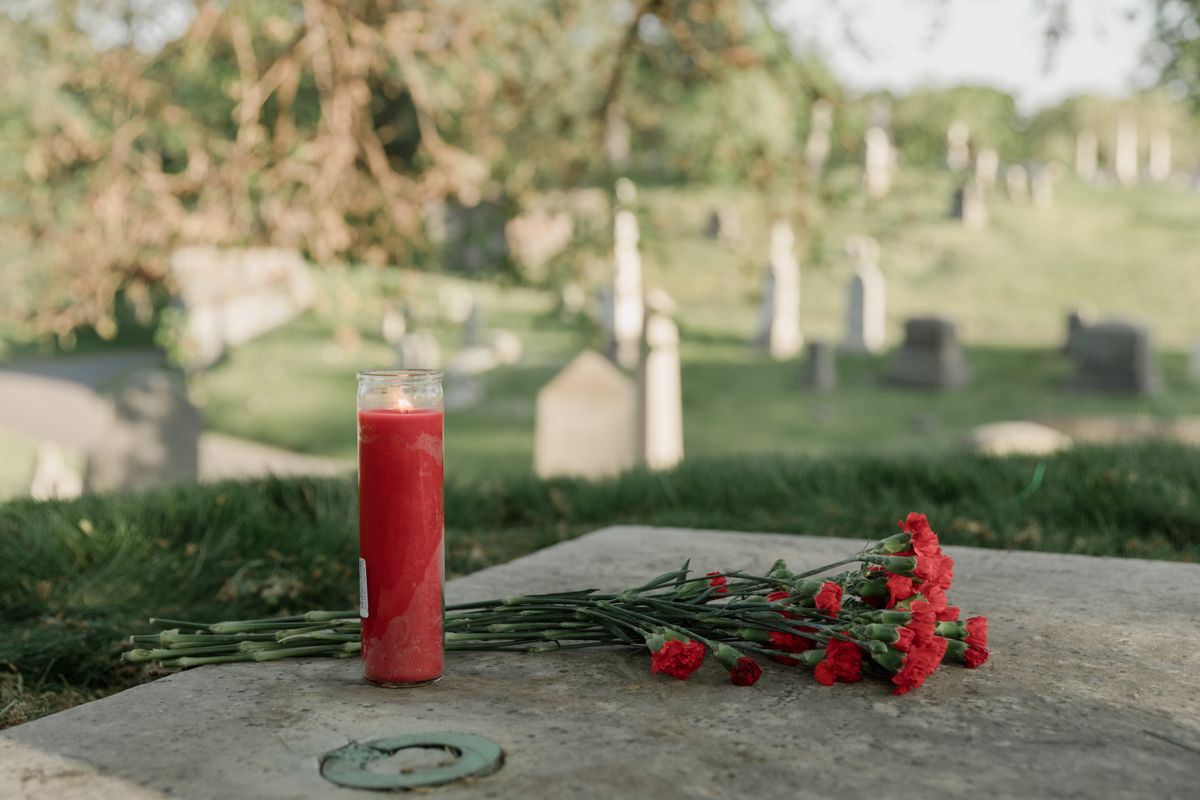
Grief research consistently shows that humans are meaning-making creatures, and that the drive to find meaning in loss is not a sign of weakness — it is a healthy and necessary part of processing death.
When we are bereaved, our attention becomes finely tuned to anything that might carry a message from the person we have lost. This heightened awareness is not delusion. It is the mind doing the work of keeping connection alive while it learns to live without the physical presence of someone it loves.
The cardinal, for many people, becomes what psychologists might call a continuing bond — a way of maintaining a felt connection to someone who has died without being trapped in denial. The bird does not bring the person back. It brings a moment of peace. And those moments, accumulated over time, are part of how people survive enormous loss.
Whether you believe the cardinal is a literal messenger from the other side, a beautiful product of your own grieving mind, or something in between — the result is the same: a moment of genuine comfort in a period when genuine comfort is hard to find. That is not nothing. That is, arguably, everything.
What to Do When a Cardinal Appears After a Death
There is no ritual required. But here is what most people who have had these experiences say they wish they had known:
- Pause. Stop what you are doing. Give the moment its full weight.
- Speak. If you feel the impulse to say the person's name, or to say something to them, do it. Out loud or silently. It does not matter which.
- Receive. Do not analyze the sighting while it is happening. Let it land. The analysis can come later. The comfort is available now.
- Don't dismiss it to someone else. If you share the experience with a friend or family member, you are not asking them to validate a supernatural claim. You are sharing a moment of peace. Let it be received as that.
The full picture of what the cardinal means — across cultures, across traditions, across the history of what people believe about the relationship between the living and the dead — is covered in the broader cardinal spiritual meaning guide.
The Takeaway: Cardinal After a Death as Comfort, Not Coincidence
The belief that a cardinal after a death carries a message from a lost loved one has persisted not because people are credulous, but because the experience of grief genuinely needs this kind of contact. The cardinal shows up when it is needed — bright, unmistakable, refusing to vanish. In that sense, it earns the meaning people give it.
Whether the spirit of your loved one truly inhabits that flash of red in your yard is a question no article can answer. What can be said is this: the people who allow themselves to receive the cardinal's visit as a message are not weaker for it. They are simply honoring a connection that death has not yet finished.
Frequently Asked Questions
Why do cardinals visit after someone dies?
Cardinals are non-migratory birds that remain visible year-round, making them frequent, reliable presences in gardens and backyards. Spiritually, many traditions believe birds serve as messengers between the living and the deceased, and the cardinal's striking red color makes it an unmistakable attention-grabber at moments when people are reflective and open to signs.
What does it mean when a cardinal stares at you after a death?
A cardinal that holds eye contact or lingers unusually long near a grieving person is widely interpreted as a direct message of presence — a sign that a loved one is reaching out to say they are still near and watching over you. It is the sustained, unusual behavior that distinguishes a spiritual sign from a routine bird sighting.
Is a cardinal a sign from heaven?
In many spiritual and Christian traditions, yes. The cardinal's red is associated with the blood of Christ and the promise of eternal life. Across folk traditions, the saying "When a cardinal appears, an angel is near" captures the widely held belief that cardinals serve as messengers from those who have passed on.
What should I do when I see a cardinal after a death?
Pause. Breathe. If you feel a pull toward the bird, allow yourself to sit with it. Speak to your loved one — out loud or silently — and treat the moment as a quiet point of connection. You do not need to decide whether it is scientifically "real" to let it bring you genuine comfort.