Why Do I Look Worse in Mirrors? Psychology, Optics, and Self-Image
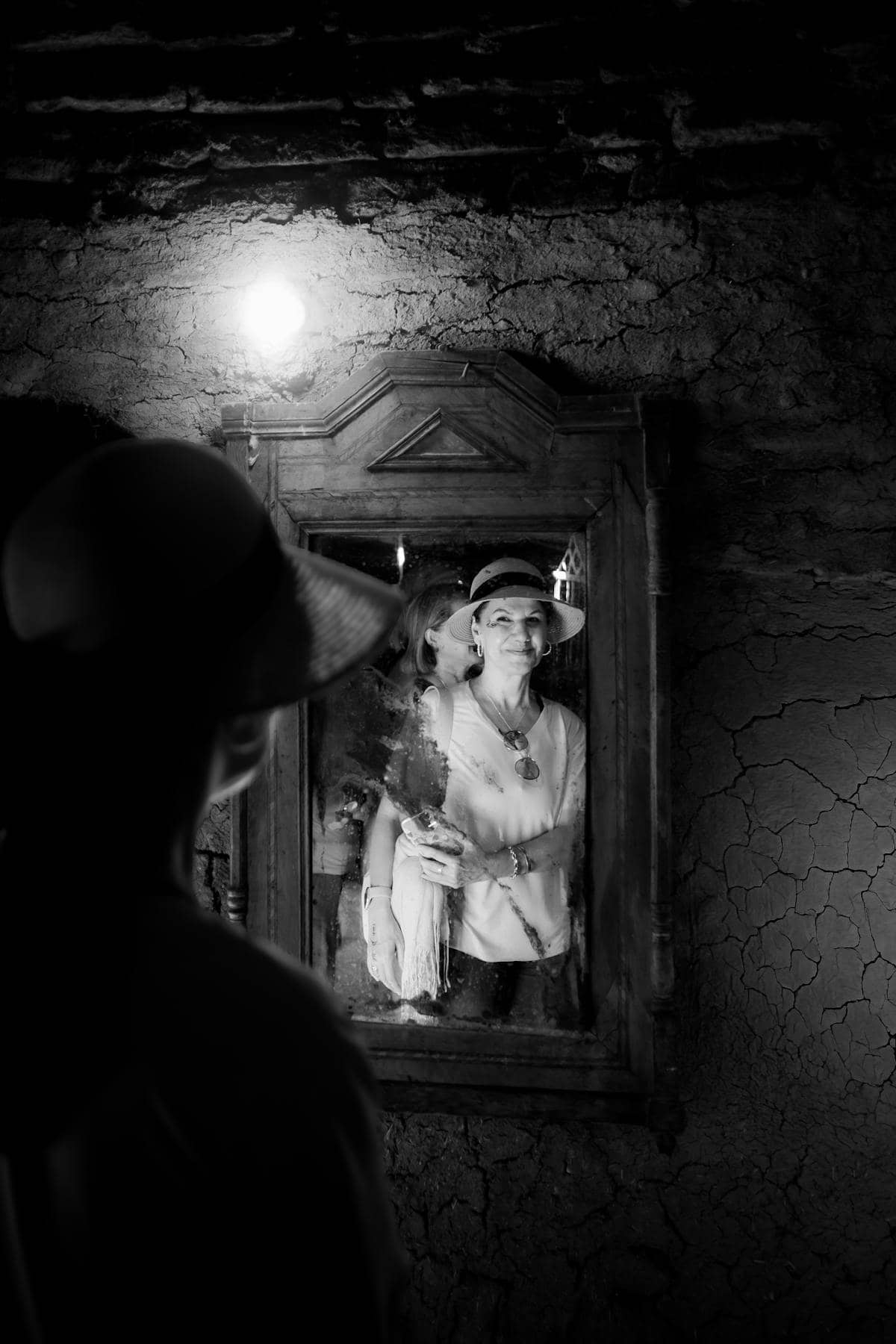
You often look different in the mirror than in photos for predictable reasons: lighting direction, lens and distance, motion versus a frozen frame, and how familiar you are with mirror-reversed versus camera-true orientation. None of that means you are lying to yourself or that one medium secretly holds the real you.
If you have ever stood in front of a mirror and thought you looked fine, then glimpsed a tagged photo and felt a jolt of disappointment, you are in very crowded company. The mismatch is uncomfortable enough that people invent moral stories about mirrors and cameras. Psychology and optics offer a calmer account.
Mirror image versus photograph: both are valid, neither is more accurate
A useful stance here is the same one we take elsewhere on this site: a flat mirror and a camera are not competing truth machines. The mirror reverses left and right relative to how others see you in person. A photograph records how light from a particular angle, with a particular lens, reached a sensor at one instant. Your lived face is three-dimensional, moving, and lit by the room. Any flat image collapses that richness.
So when you ask which is more accurate, the honest answer is that accuracy depends on what question you are asking. Do you want real-time feedback on grooming? The mirror is built for that. Do you want a shareable record of how a scene looked from the camera position? The photo is built for that.
Lighting: why the same mirror feels kinder or crueler from hour to hour
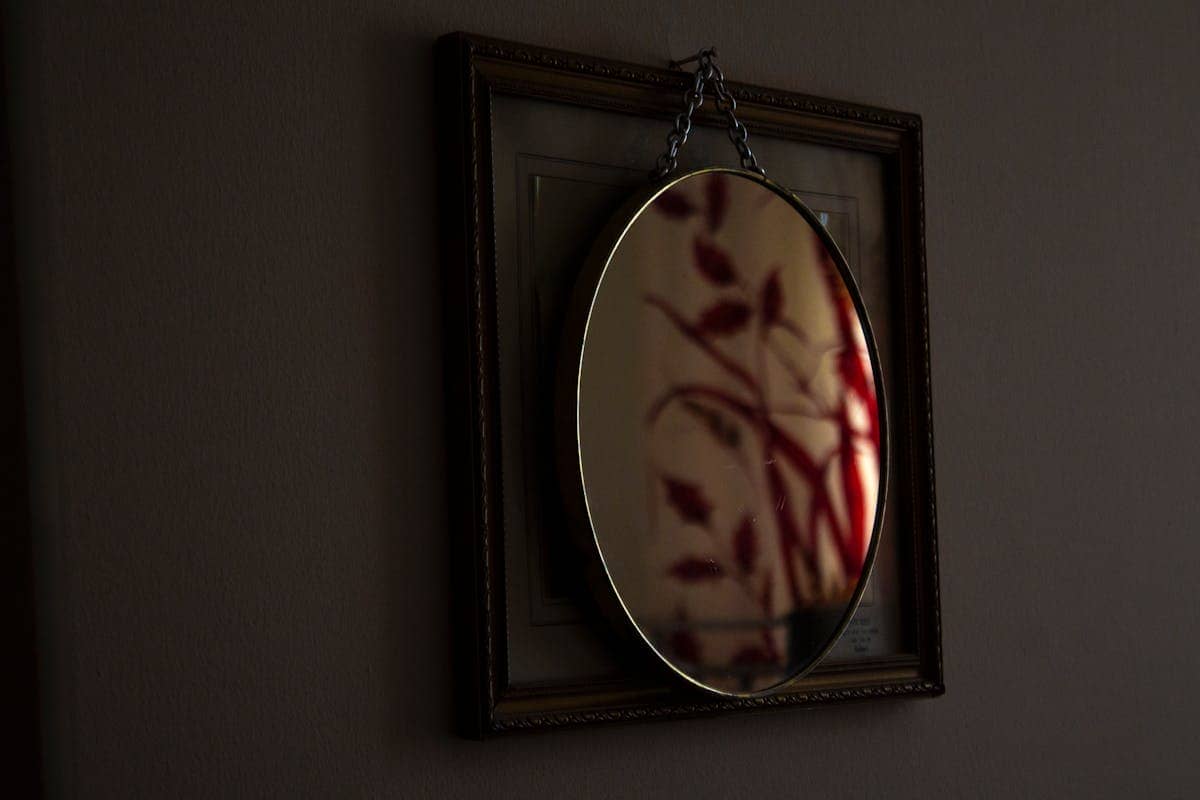
Light direction changes apparent bone structure more than most people expect. Strong overhead light deepens shadows under the eyes and nose and can make skin texture read as harsher. Single-side lighting emphasizes asymmetry. Diffuse or front-soft light tends to even things out because shadows are filled in.
Bathrooms often combine short working distances with harsh ceiling fixtures, which is a tough combination for self-evaluation. If you can, check the same mirror near a window during the day or with a second lamp bouncing light off a pale wall. The reflection can change dramatically without your face changing at all.
Lens and distance: what cameras quietly edit before you touch a filter
Focal length is the silent editor in many selfies. A wide-angle lens used very close stretches the central features and bends lines near the frame edges. Professional portraits often use longer focal lengths and more distance specifically because the result tends to match the proportions we are used to seeing in conversation. For a careful definition of how focal length changes angle of view and magnification, see the focal length article on Wikipedia.
Phone cameras may also apply subtle processing: sharpening, noise reduction, HDR blending, and skin-aware defaults. Two devices pointed at the same face can produce legitimately different faces on screen. That is pipeline design, not a verdict on worth.
Mere exposure: why the mirror version can feel like home
In a well-known study published in the Journal of Personality and Social Psychology (1977), Mita, Dermer, and Knight showed that people tended to prefer the mirror-reversed image of their own face — the version they usually encountered while grooming — over the photographically true orientation. Friends, who usually saw the person in non-mirrored life, preferred the true photo orientation. The pattern fits the broader mere-exposure effect: repeated, passive exposure increases liking for neutral and even slightly odd stimuli.
That result is about familiarity and preference, not objective beauty scores. It helps explain why a flipped selfie can feel subtly wrong even when others say it looks the same either way.
Motion, expression, and the still frame problem
Mirrors show micro-movement: tiny shifts of posture, eye contact, and muscle tone that read as alive. A candid still often catches the middle of a blink, an awkward half-smile, or a neck angle you would never hold on purpose. Brains forgive live video more than random milliseconds. If you feel worse in photos, part of the gap may simply be unlucky sampling of time.
Attention and anxiety: when the mirror becomes a magnifier

Stress narrows attention. In a low mood or high self-focus state, small asymmetries or blemishes can seize mental bandwidth. That state does not mean the defects are as salient to anyone else. For readers who link mirror distress with fear or superstition, our guide to mirror anxiety and the fear of mirrors explores the overlap of cultural beliefs and anxious avoidance in more depth.
Clinical literature also suggests that routine mirror avoidance often backfires: the imagined reflection can grow more frightening than brief, structured looking. If anxiety is mild, gentle experiments beat marathon rumination. If it is severe, a therapist is the right guide.
Body dysmorphic disorder: a careful note
Sometimes mirror pain is not only about optics. Body dysmorphic disorder (BDD) involves persistent preoccupation with perceived flaws that others do not see or find minor, often with repeated checking, comparing, or camouflage. People with BDD can look entirely convincing when they describe what they believe is wrong, because the distress is real even when the supposed defect does not match an outside measure.
If you spend hours daily on appearance worries, if mirrors derail your whole mood, or if you avoid life activities because of how you think you look, consider reaching out to a qualified clinician. The Mayo Clinic overview of body dysmorphic disorder lists common signs in plain language. This section is not diagnostic; it only points toward care when suffering is persistent and consuming.
Practical experiments that are better than arguing with glass

- Change the light before you change your judgment. Add diffusion or a second source; notice what moves and what stays.
- Step back from selfies. More distance and a mild zoom (if your app allows) reduce wide-angle facial stretch.
- Compare video, not single frames. A short clip reveals the range of expressions you actually use.
- Limit comparison spirals. Social feeds mix focal lengths, editing, and lighting you cannot see; they are poor evidence about your baseline appearance.
- If distress is dominating life, book real help rather than collecting more mirror data.
For readers curious about how other species navigate reflections rather than photos, the mirror test and self-awareness article walks through the classic animal work without pretending it maps neatly onto human selfie culture.
Where dreams and waking mirrors meet

Night imagery about reflections often compresses identity questions into story form. If your worry shows up in sleep as well as in the bathroom, a separate frame can help; our mirror dream meaning guide collects symbolic angles while leaving clinical questions to professionals when needed.
Closing the loop without forcing a verdict
You do not owe your mirror a final grade. Most of the time, looking worse is shorthand for looking different than you expected under light and optics you did not choose. Naming those mechanisms does not erase insecurity, but it can shrink the story from I am fundamentally wrong to my brain is comparing incompatible images again.
If the pain stays loud even after you adjust light and distance, treat that as signal, not weakness. Evidence-based therapy exists for appearance-focused distress. You deserve support that matches the weight of what you feel.
Mirror FAQ
Do I look more accurate in the mirror or in a photo?
Neither is the single true image. A flat mirror shows a laterally reversed real-time view at a distance you control. A photograph freezes a moment with a specific lens, sensor, angle, and lighting. Both are real depictions; they answer different questions.
Why does bathroom lighting make me look worse?
Overhead or single-source lighting casts strong shadows that exaggerate texture, undereye hollows, and asymmetry. Side lighting or diffuse light usually softens those cues. The mirror is reflecting physics, not moral judgment.
What did Mita, Dermer, and Knight find about mirror images?
In their classic 1977 experiment, people preferred their mirror-familiar facial image (the reversal they usually saw) more than the true photographic orientation, while friends preferred the non-mirrored photo. That is mere exposure, not proof that one version is objectively better looking.
Can phone cameras distort my face?
Yes. Close selfies with a wide-angle or ultrawide lens stretch the center of the face and widen features near the edges. Stepping back and zooming slightly, or using a longer focal length, tends to look closer to everyday perspective at the same distance.
When should I worry about how I look in mirrors?
If mirror checking triggers long shame spirals, you avoid social life, or you cannot believe others who say you look fine, consider speaking with a qualified mental health professional. Those patterns can occur in body dysmorphic disorder and related conditions. This article is information, not a diagnosis.
Does avoiding mirrors help?
For everyday worry, small experiments with lighting and distance help more than endless debate. In clinical mirror anxiety, avoidance often keeps distress high because the feared image is imagined more than observed. A clinician can guide exposure and other approaches safely.