Animal Symbolism in Feng Shui
When arranging a home or office, most people focus on furniture placement and color schemes. However, Feng shui practitioners know that your environment is deeply influenced by the specific symbols you place within it. Feng shui animals are some of the most potent tools available for directing positive energy (Chi) and deflecting negative energy.
Unlike Western animal symbolism, which is often purely psychological, Feng Shui animals are highly spatial. Their power depends entirely on where they are placed and what direction they are facing.
Here is your complete guide to the foundational Four Celestial Animals of Feng Shui, as well as the best lucky creatures to place in your home for wealth, protection, and harmony.
The Four Celestial Animals
Classical Feng Shui relies heavily on the "Four Celestial Animals" (also known as the Four Mythological Emblems). These creatures are not meant to be literal statues you place in your living room; rather, they are structural archetypes that represent how a building or a room should be supported.
To achieve perfect harmony, a home should ideally mimic the protective embrace of these four animals:
1. The Black Tortoise (The Back)
The Black Tortoise represents the back of the home (or the back of your desk/chair). It symbolizes longevity, deep wisdom, and unshakeable support. In landscape Feng Shui, the tortoise is represented by a mountain or a tall building behind your home, protecting you from harsh winds and "stabbing" energy.
2. The Green Dragon (The Left)
The Green Dragon sits on the left side of the home (when looking out from the front door). It is the most auspicious of the feng shui animals, representing masculine energy (Yang), growth, wealth, and vitality. Ideally, the landscape on the left side of your home should be slightly higher than the right to "house" the dragon.
3. The White Tiger (The Right)
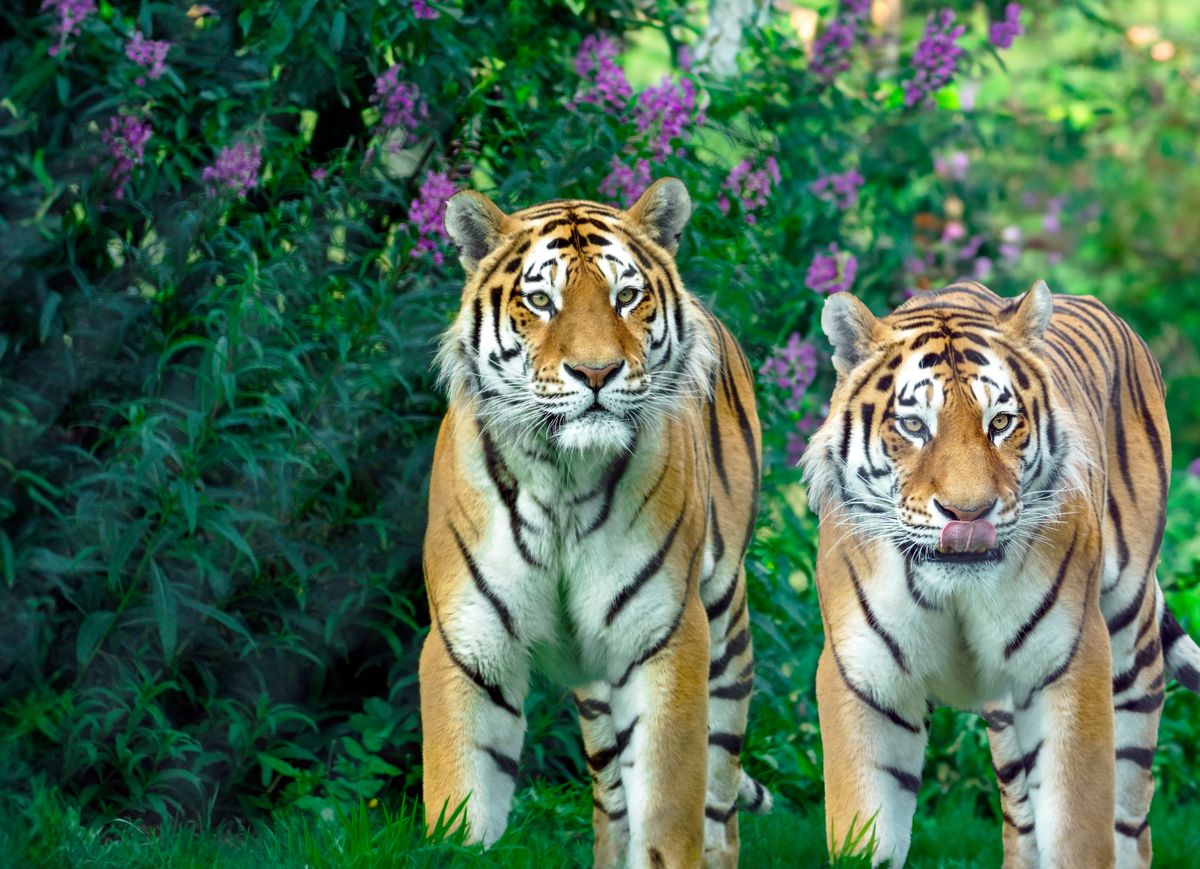
The White Tiger sits on the right side of the home, balancing the Dragon with feminine energy (Yin). The tiger represents fierce protection, physical strength, and clear boundaries. If the right side of your property is lower than the left, the tiger is considered "tamed" and protective.
4. The Red Phoenix (The Front)
The Red Phoenix represents the front of the home. It symbolizes vision, future opportunities, and inspiration. The front of your home should have an open, clear space (like a gentle slope or a clean driveway) so the Phoenix has room to "take flight" and bring new opportunities to your door.
Lucky Placement Creatures
Beyond the structural Celestial Animals, you can use specific statues or imagery inside the home to activate specific types of luck.
The Elephant
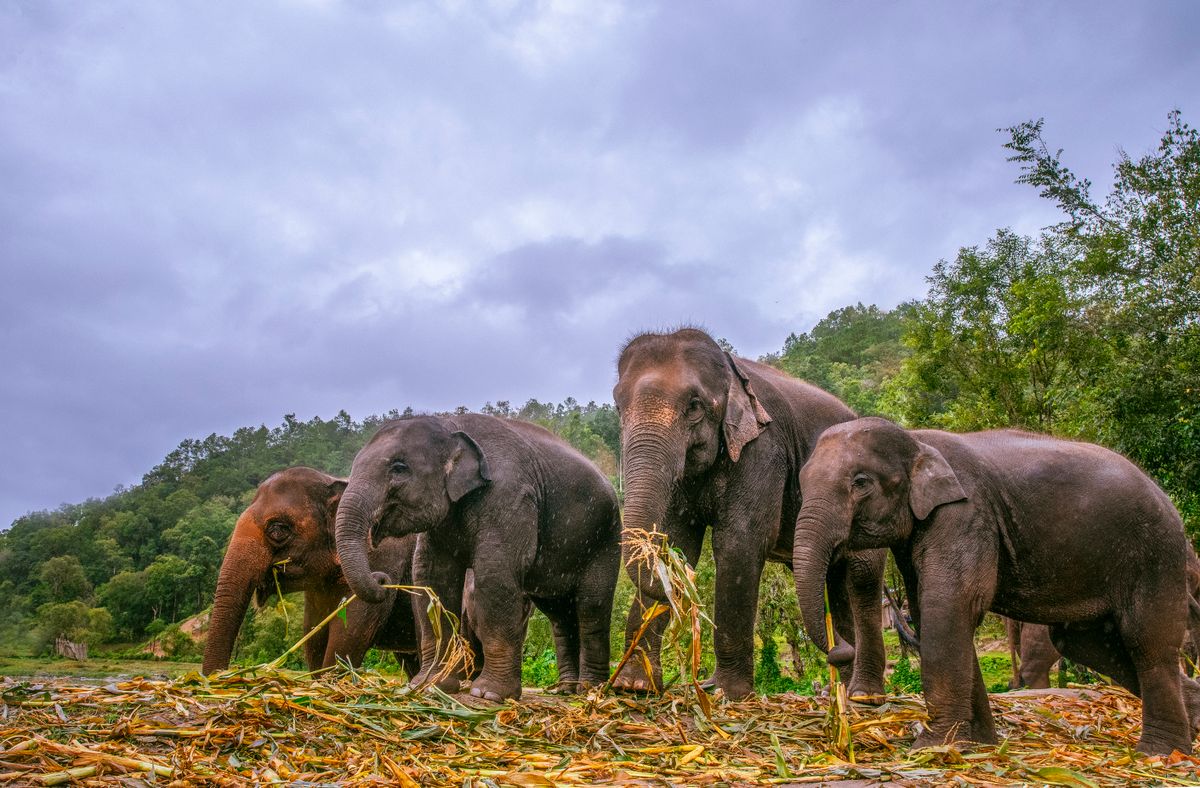
The elephant is one of the most popular feng shui animals. It represents wisdom, fertility, and monumental strength. Unlike animals that symbolize protection through aggression, the elephant protects through sheer, unmovable presence.
- Placement: Place a pair of elephants flanking your front door (facing inward) to invite good luck into the home, or in the West sector of the house to promote children's luck.
The Cricket
In traditional Chinese culture, the cricket is a powerful symbol of wealth and abundance. Because crickets lay hundreds of eggs, they represent exponential financial growth.
- Placement: The kitchen is the traditional "wealth center" of the home. A small cricket figurine or painting in the kitchen is said to ensure the family always has enough to eat.
The Rooster
The rooster is the ultimate symbol of dawn, awakening, and dispelling dark energy. It is also used to peck away at "office politics" and backstabbing.
- Placement: If you are dealing with gossip at work, place a rooster on your desk facing diagonally toward the door to symbolically peck away negative intentions.
The Takeaway: Intention is Everything
You do not need to turn your home into a zoo of statues to benefit from feng shui animals. (If you are looking for general luck symbols, check out our broader guide on animals that symbolize good luck).
The most important rule in Feng Shui is intention. Choose one or two animals that align with the specific energy you currently need—whether that is the solid backing of the Tortoise or the wealth-generating energy of the Cricket—and place them with care and respect.
Frequently Asked Questions
What is the difference between Feng Shui animals and the Chinese Zodiac?
The 12 animals of the Chinese Zodiac are used primarily to track time (years, months) and determine personal astrology and personality traits. Feng Shui animals, like the Four Celestial Animals, are spatial tools used to manipulate the flow of energy in a physical environment.
Where should I place an elephant statue in Feng Shui?
To invite protection and strength, place an elephant near the front door facing inward. If you want to encourage fertility or family bonding, place it in the bedroom or the west sector of the home.