Animal Symbolism & Spirit Animals: The Complete Guide
Animal symbolism functions as a mirror for human instincts. When you feel drawn to a specific animal, you are often recognising a survival strategy, an emotional truth, or a characteristic you either deeply need or already possess but have not acknowledged.
You have probably had the experience of crossing paths with an animal in the wild and feeling an unexpected jolt of recognition. Not just noticing a bird or a fox, but feeling as though the encounter meant something specific to you in that exact moment. That feeling is the starting point of animal symbolism. It is the human impulse to look at the natural world and see our own internal lives reflected back at us.
The concept of spirit animals has been heavily commercialised, often reduced to online personality quizzes. The actual history and psychology of animal guides are far more grounded and far more demanding of your attention.
What Are Spirit Animals and How Do They Actually Work?
The term "spirit animal" originates from specific Indigenous traditions, particularly in North America, where animals are understood as teachers, messengers, and kin. When we discuss spirit animals today in a broader spiritual or psychological context, we are talking about a creature that appears in your life—physically, in dreams, or as a persistent thought—to offer a specific kind of guidance.
Most online content treats spirit animals like astrological signs: static labels that describe your personality. This is a fundamental misunderstanding. Spirit animals are not about who you are. They are about what you need to learn.
A spirit animal appears when you require the specific medicine or wisdom that animal embodies. If a bear keeps appearing in your life, the question is not "am I like a bear?" The question is, "where in my life do I need to establish boundaries, protect my resources, or retreat into introspection?"
How Do You Distinguish an Animal Guide from an Everyday Encounter?
Not every bird on your fence is an omen. Not every deer on the roadside is a spirit guide. The difference lies in the quality of the encounter.
An animal encounter crosses into symbolism when it breaks the pattern of the ordinary. This typically happens in three ways:
- Unusual behaviour: The animal acts out of character—approaching closer than normal, holding eye contact, or appearing in an unexpected location.
- Repetition: The same animal appears multiple times in a short period, across different mediums (in nature, then in a dream, then on a billboard).
- Internal resonance: The encounter triggers an immediate, undeniable emotional response or a sudden moment of clarity about a problem you have been wrestling with.
If you have to force a meaning onto an encounter, it was likely just an animal going about its day. When an encounter is symbolic, the meaning usually insists upon itself.
The Most Common Spirit Animals and What They Require of You
Different animals carry different symbolic weights across traditions, but some meanings remain remarkably consistent because they are rooted in the physical reality of how the animal lives.
The Bear requires grounding. Bears hibernate, entering a state of deep conservation and renewal. When the bear appears as a guide, it is almost always a call to pull back your energy, set firmer boundaries, and engage in serious introspection. It is the power of quiet strength rather than aggressive display.
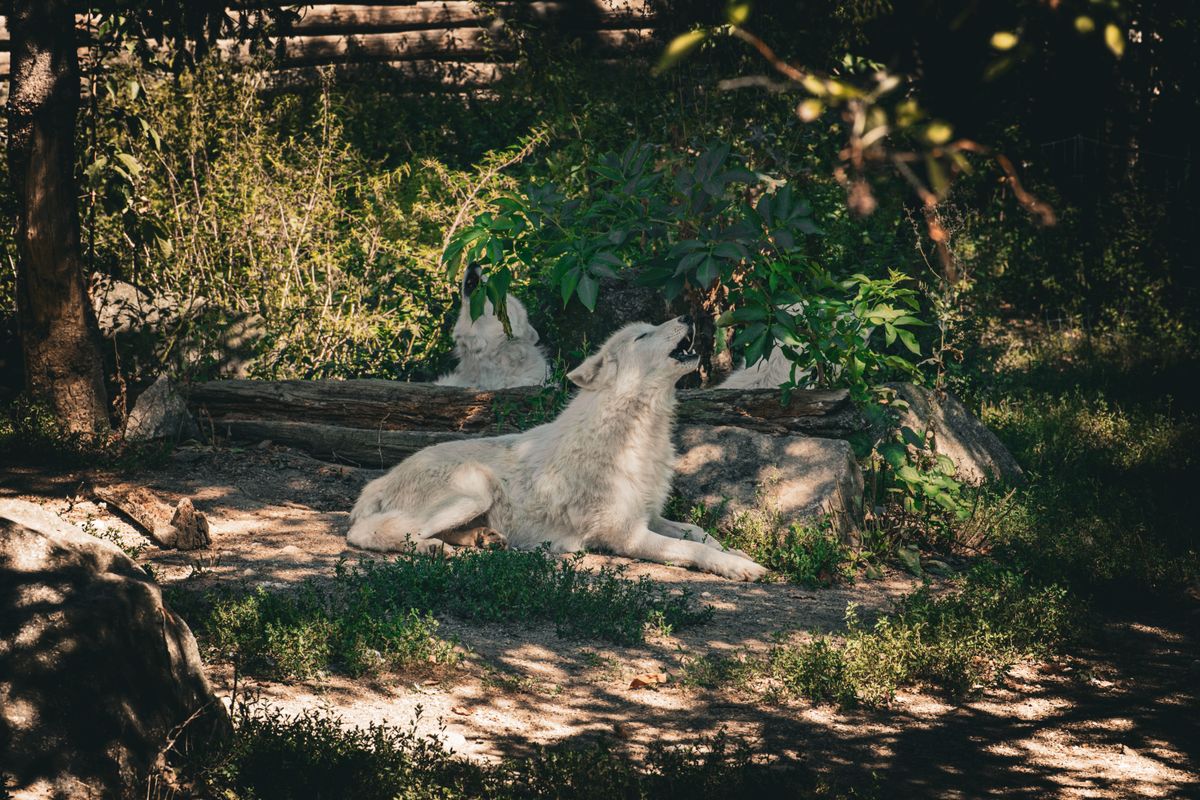
The Wolf requires intuition and social intelligence. Wolves are apex predators, but their true strength lies in the pack and their complex communication. A wolf guide often points toward issues of loyalty, trusting your instincts, or finding the right balance between fierce independence and community support.
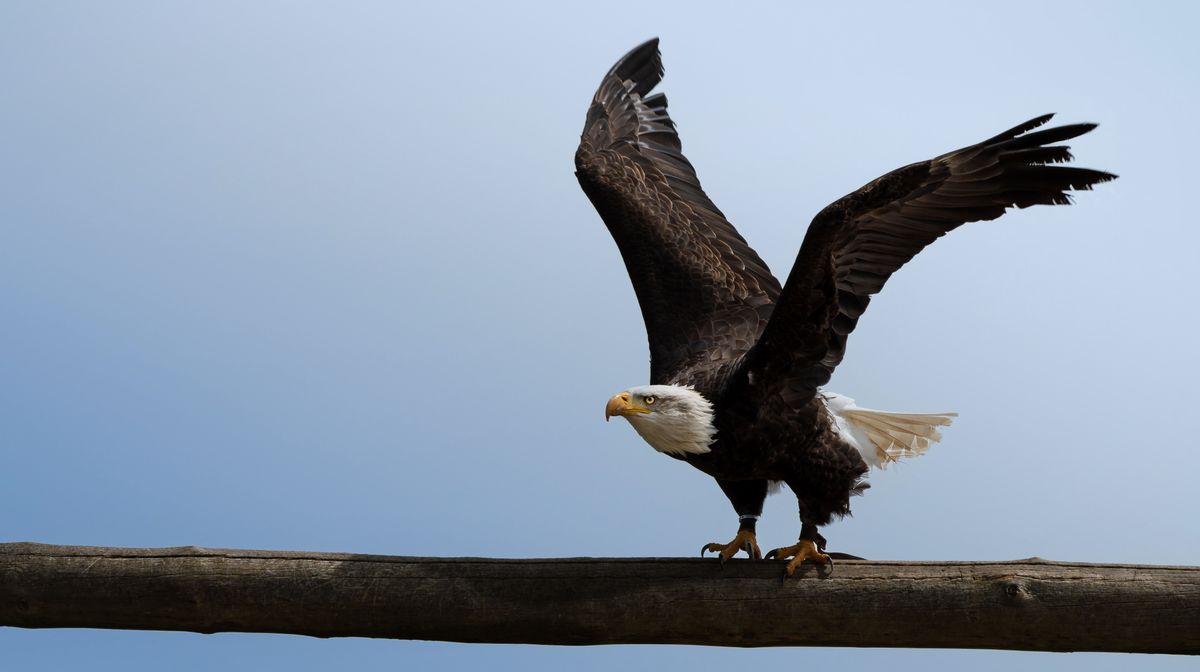
The Eagle requires perspective. Because it flies higher than any other bird, it sees the entire landscape, not just the immediate obstacle. The eagle asks you to step back from the immediate emotional distress of a situation and look at the broader pattern of your life. It is about spiritual vision and refusing to get caught in the weeds.
Animal Symbolism in Psychology: Why We Need the Metaphor
When a parent notices their 13-month-old child looking in a mirror, the child often reaches out to touch the "other baby," having no idea the reflection is them. It is only months later that the child passes the Mirror Self-Recognition Test, touching their own face instead of the glass. Humans are one of the very few species to pass this test.
But while we can recognise our physical faces, we struggle to recognise our own internal complexities. This is exactly what animal symbolism provides: a mirror for the mind.
If you are avoiding a difficult conversation out of fear, it is hard to look at your own cowardice. It is much easier to look at a fox and recognise the need for adaptability and cleverness, or to look at a lion and recognise the requirement for courage. Animal symbolism gives us a vocabulary for our own instincts. It allows us to project our internal state onto an external object so we can finally see it clearly.
Totems, Spirit Guides, and Omens: Why the Distinctions Matter
Phrases like "totem," "guide," and "omen" are not interchangeable. Using them precisely respects the traditions they come from and makes the symbolism more useful to you.
- A Totem is traditionally a lifelong guardian spirit, often associated with a family, clan, or tribe. It is an inherited relationship, not something you pick because you like the animal.
- A Spirit Guide is a teacher. It arrives during a specific season of your life to impart a specific lesson, and it may leave when that lesson is integrated.
- An Omen is a momentary message. It is an animal crossing your path to warn you, validate a decision, or draw your attention to something you are ignoring. It is an event, not a relationship.
How to Work with Animal Symbolism Honestly
The most useful way to work with animal symbolism is to treat the animal as a question rather than an answer.
When an animal catches your attention, do not immediately assume it means something mystical. Instead, observe the animal's physical reality. How does it survive? How does it protect itself? How does it move through the world?
If a spider catches your eye, note that it builds its world from its own body, waits patiently, and relies on sensitivity to vibration. The question the spider asks you is not "are you a weaver of fate?" The question is, "where in your life are you rushing when you should be building a foundation and waiting?"
Animal symbolism is most powerful when it remains grounded in the dirt, the wind, and the water. The moment it becomes purely abstract, it loses its teeth. The animal is showing you exactly how to survive the environment you are currently in. You only need to pay attention to what it is doing.
Frequently Asked Questions
What is a spirit animal?
A spirit animal is traditionally understood as an animal guide that presents itself to offer lessons, protection, or reflection during specific life phases. In psychological terms, it often represents qualities or instincts you either possess or need to cultivate. The concept originates from Indigenous North American traditions and requires respect for its cultural context.
How do I find my spirit animal?
You do not generally choose a spirit animal; rather, traditions suggest it makes itself known to you. You might discover your connection through consistent sightings in nature, repeated appearances in dreams, or an inexplicable, lifelong resonance with a specific creature. Journaling and meditation are the primary methods for clarifying these connections.
What is the difference between a spirit animal and a totem animal?
While often used interchangeably, a totem animal in many Indigenous traditions is a lifelong guardian linked to an individual, family, or clan. A spirit animal is more commonly seen as a guide that appears during particular transitions or periods of need to offer specific lessons, and may change as your life circumstances evolve.
Can I have more than one spirit animal?
Yes. It is entirely common to have different animal guides at different times in your life, or even multiple guides simultaneously. Because different animals represent different survival strategies, instincts, and wisdom, your guides reflect the complexity of the challenges you are currently navigating.
Do animal omens mean something bad is going to happen?
Not necessarily. Most animal omens are messages to pay attention, not predictions of doom. When an animal behaves unusually or crosses your path significantly, it is typically interpreted as a prompt to reflect on your current environment or mindset. An omen is essentially a highly visible metaphor for what is already happening below the surface of your awareness.