Spirit Animals List & Their Meanings (A–Z Guide)
When compiling a spirit animals list and their meanings, the most important thing to remember is that an animal's symbolism is rooted in its actual survival strategy. A bear symbolises introspection because it hibernates; a wolf symbolises social intelligence because it hunts in a pack.
If you are looking for the meaning behind an animal that keeps appearing in your life, you are not looking for magic. You are looking for a mirror.
Animals have always served as the original vocabulary for human psychology. Before we had clinical terms for anxiety, boundaries, or intuition, we had the rabbit, the bear, and the owl. When you feel a sudden, undeniable resonance with a specific animal, you are often recognising a trait you either desperately need or already possess but have been ignoring.
Here is a comprehensive breakdown of common spirit animals, what their presence actually requires of you, and how to tell if an encounter is genuinely symbolic.
How to Find Your Spirit Animal Without Forcing It
You do not choose a spirit animal from a list because you like how it looks. In the traditions where this concept originated, the animal makes itself known to you.
An encounter shifts from an ordinary wildlife sighting to a symbolic message when it breaks your pattern. Look for three specific indicators:
- Unusual repetition: Seeing the same animal in waking life, then in a dream, and then constantly in media over a short period.
- Abnormal behaviour: The animal behaves in a way that feels deliberately communicative, such as holding prolonged eye contact or approaching closer than its species normally would.
- Immediate resonance: The encounter produces a sudden, clear feeling of recognition or answers a question you have been struggling with internally.
If you have to stretch to find a connection, let the animal be an animal. When a spirit guide is actually present, the message usually insists upon itself. For a deeper look at this process, read our full guide on animal symbolism and spirit animals.
Spirit Animals List & Their Meanings (A–Z)
Below is a reference guide for common spirit animals. The meanings are not arbitrary; they are derived from how the animal physically navigates the world.
B
Bear: Requires grounding, introspection, and boundaries. Just as a bear hibernates to conserve energy, the bear as a guide asks you to pull back, protect your resources, and rest before acting.
Butterfly: Represents profound, often uncomfortable transformation. The caterpillar does not simply grow wings; it dissolves entirely before rebuilding itself. The butterfly asks if you are willing to let go of your current form to reach the next.
C
Cat: Symbolises independence, boundaries, and seeing in the dark. The cat requires you to trust your own timing and stop performing for the approval of others.
Crow: Often misunderstood as an omen of bad luck, the crow actually represents adaptability, high intelligence, and the mysteries of life and death. The crow asks you to look past the surface of a situation and use what is available to you.
D
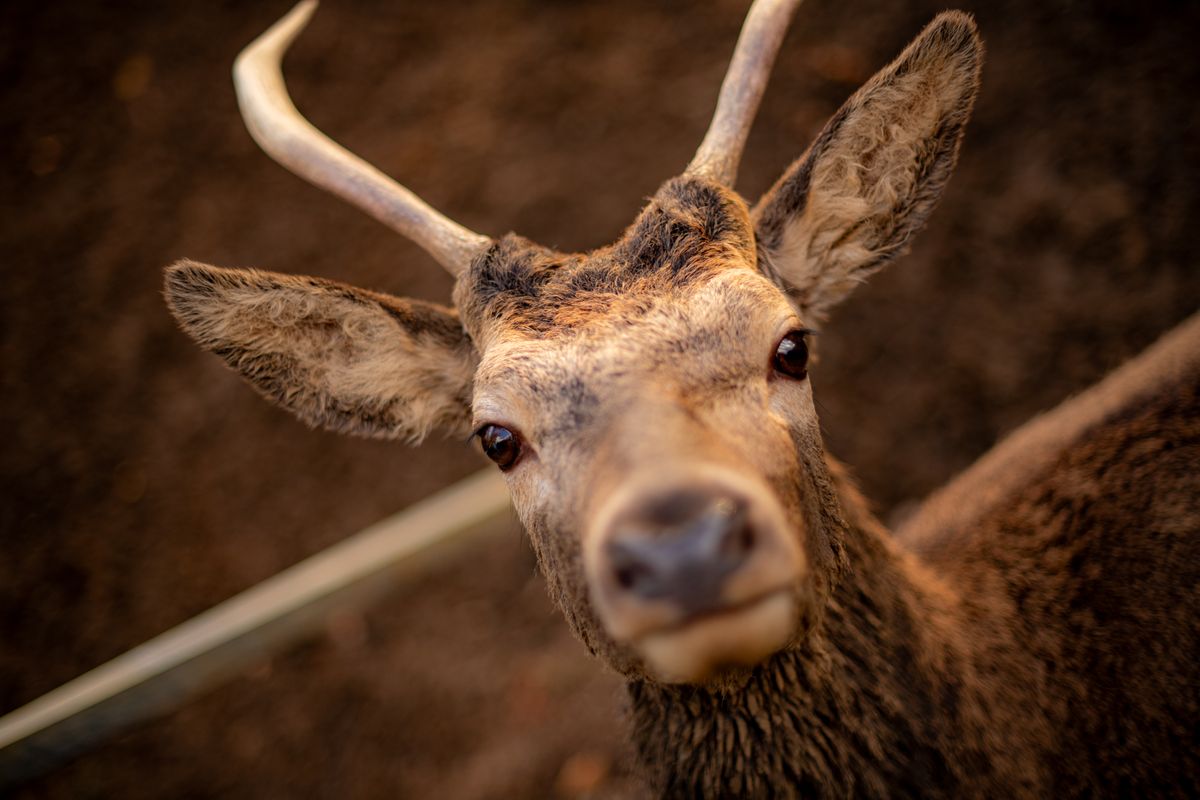
Deer: Represents gentleness, high sensitivity, and vigilance. The deer does not fight aggressively; it survives through awareness and speed. It asks you to trust your intuition and move away from toxic environments rather than trying to conquer them.
E
Eagle: Requires perspective. The eagle flies higher than any other bird, seeing the entire landscape rather than just the immediate obstacle. It asks you to step back from emotional distress and look at the broader pattern of your life.
F
Fox: Requires agility and discernment. The fox survives on the edges, using cleverness rather than brute strength. It asks you to navigate around a problem rather than attacking it head-on.
H
Hawk: Represents focus and clear vision. When a hawk appears, it is a demand to pay absolute attention to the details of your current situation. You are missing something obvious.
Horse: Symbolises physical vitality, freedom, and the balance between wild instinct and trained power. The horse asks where you are allowing yourself to be restrained.
L
Lion: Requires courage and personal authority. The lion does not need to roar constantly to prove its strength; its presence is enough. It asks you to step into your confidence without becoming tyrannical.
O
Owl: Represents deep intuition and the ability to see what others wish to keep hidden. The owl hunts in the dark and flies silently. It asks you to trust the feelings you cannot logically explain.
S
Snake: Represents healing, life force, and the shedding of the past. The snake must shed its skin entirely to grow. It asks what old beliefs or relationships you are refusing to let die.
Spider: Symbolises patience, creation, and fate. The spider builds its world from its own body and waits. It asks where you are rushing when you should be building a foundation.
T
Tiger: Requires fierce independence, focus, and raw emotion. The tiger is a solitary hunter. It asks you to trust your own strength and stop relying on the pack.
W
Wolf: Requires intuition and social intelligence. Wolves are apex predators whose true strength lies in the pack. The wolf asks you to find the right balance between fierce independence and community support.
How They Differ from Totems and Omens
It is crucial to use these terms accurately, as they describe different kinds of relationships with the natural world.
- A Totem is traditionally an inherited, lifelong guardian spirit associated with an Indigenous family or clan. It is not something you select after taking an online quiz.
- A Spirit Animal (or Guide) is a teacher that arrives during a specific season of your life to impart a necessary lesson, often leaving when the lesson is integrated.
- An Omen is a singular event or momentary message. It is an animal crossing your path to draw your attention to something specific in your immediate environment.
The Takeaway: Treating the Animal as a Question
A spirit animals list and their meanings is only useful if you apply the symbolism honestly. When an animal catches your attention, do not immediately ask, "What does this mean about me?"
Instead, look at the animal's physical reality and ask, "How does this creature survive?" If it survives by hiding, ask yourself where you need to be less visible. If it survives by community, ask yourself where you are isolating. Animal symbolism is most powerful when it remains grounded in the dirt, the wind, and the water. The animal is showing you exactly how to survive your current environment—you only need to pay attention to what it is doing.
Frequently Asked Questions
What is a spirit animal?
A spirit animal is traditionally understood as a guide that presents itself to offer lessons, protection, or reflection during specific life phases. In psychological terms, it often represents qualities or instincts you either possess or need to cultivate.
How do I find my spirit animal?
You do not generally choose a spirit animal; rather, traditions suggest it makes itself known to you. You might discover your connection through consistent sightings in nature, repeated appearances in dreams, or an inexplicable, lifelong resonance with a specific creature.
What is the difference between a spirit animal and a totem animal?
While often used interchangeably, a totem animal in many Indigenous traditions is a lifelong guardian linked to an individual, family, or clan. A spirit animal is more commonly seen as a guide that appears during particular transitions or periods of need to offer specific lessons.