Feng Shui Home Office: 7 Smart Rules for Remote Work
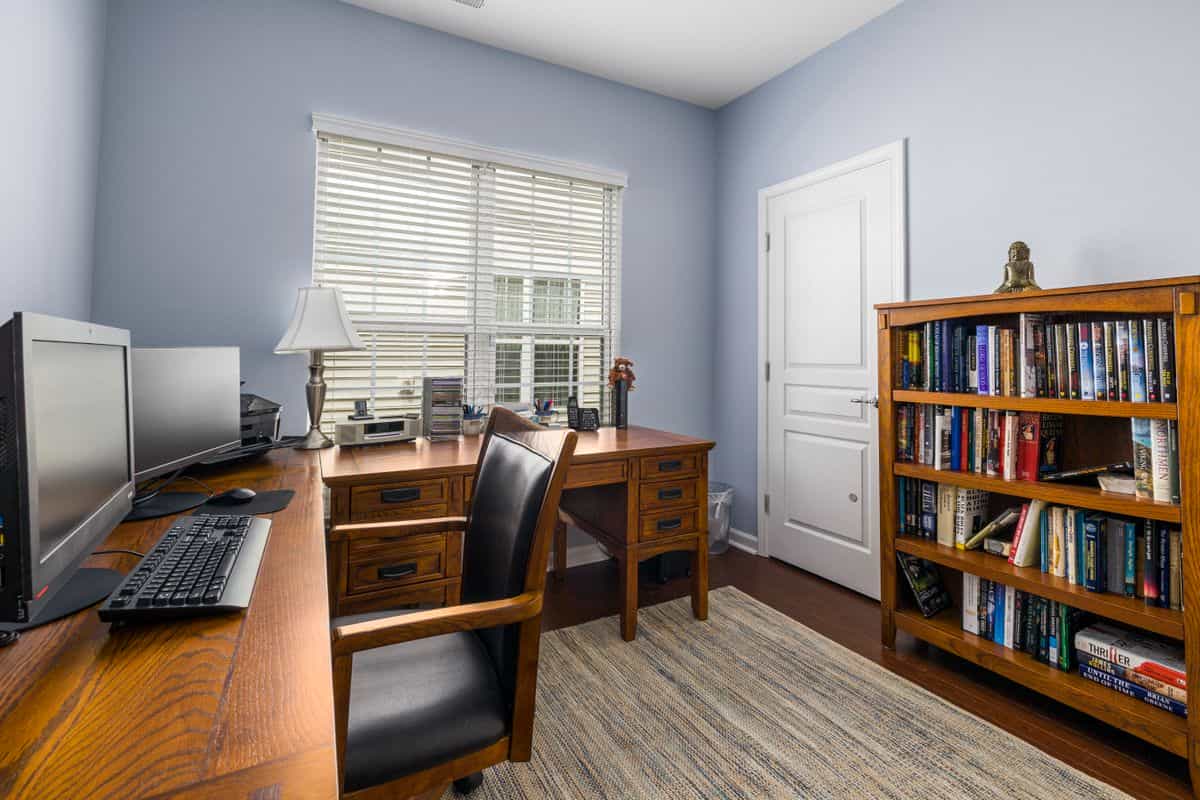
A feng shui home office starts with the right space — a dedicated room if possible, not the bedroom or a dark basement — then a desk in the command position facing the door, a window to the side rather than in front, calm earthy colors, and a real boundary between work and home. For remote workers, that last part matters most.
If you work from home and your "office" is really a corner of your living room — or the end of the kitchen table — you are solving a problem the traditional office never had: home and work occupying the same space. Feng shui has useful answers, and they start before you even place the desk.
One thing worth saying before the setup, because it tells you which rules to take literally. The rules are not all the same kind of claim. Some — the command position, natural light, a defined work boundary, a decluttered desk — have real psychological support and help your focus whatever you believe. Others — compass directions, Qi flow, the bagua — are traditional belief you cannot measure. This guide covers all of it and tells you honestly which is which.
Choose the Right Space for Your Feng Shui Home Office
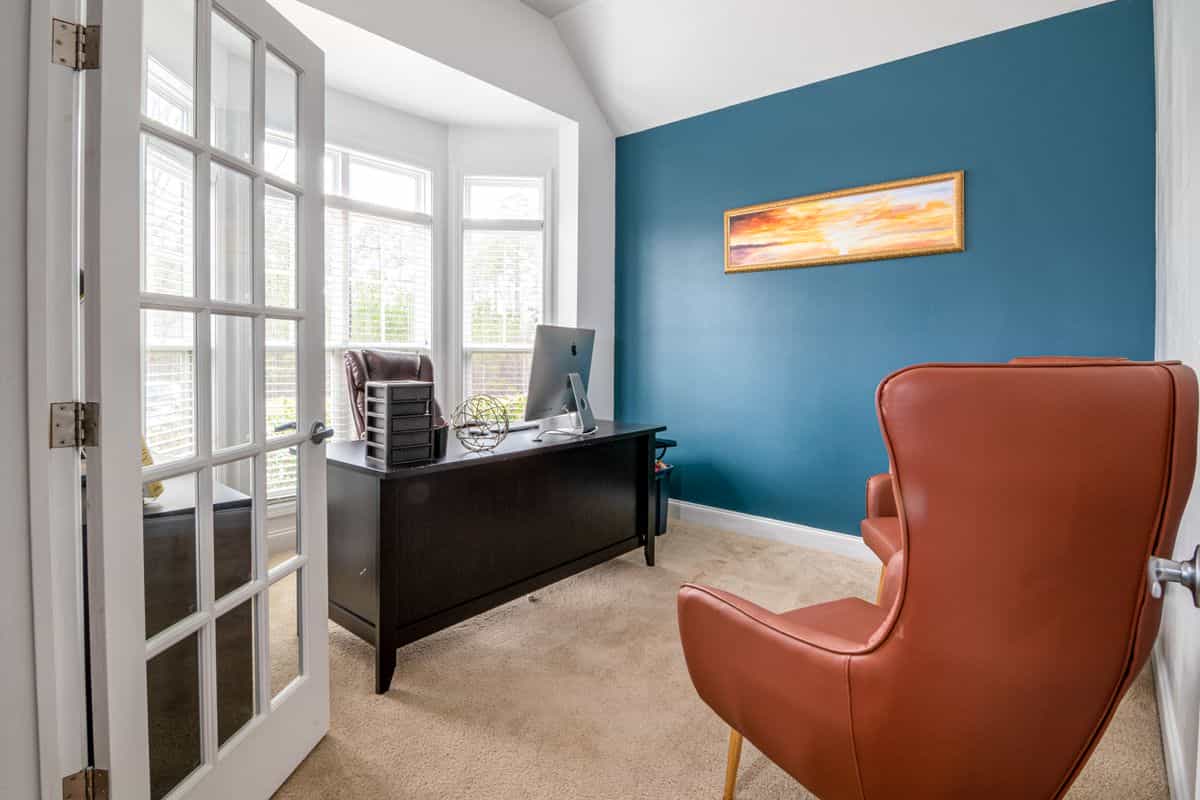
Before the desk, the room. This is the decision remote workers actually get to make, and feng shui has clear preferences.
A dedicated room with a door you can close is the ideal, because it lets you physically separate work from home life — the single biggest feng shui challenge of working from home. Feng shui also favours placing an office toward the front of the home, where active, working (yang) energy belongs, and steers it away from the bedroom, which should stay restful and yin. Dark basements and cramped, windowless corners are discouraged as low-energy spots that quietly drain motivation.
Most people do not have a spare room, and that is fine — the rest of this guide works for a corner just as well. But if you can choose, choose a bright, separate space near the active part of the home. The reasoning is more than mystical: a workspace you can leave at the end of the day is the foundation of every boundary that follows.
Put the Desk in Command
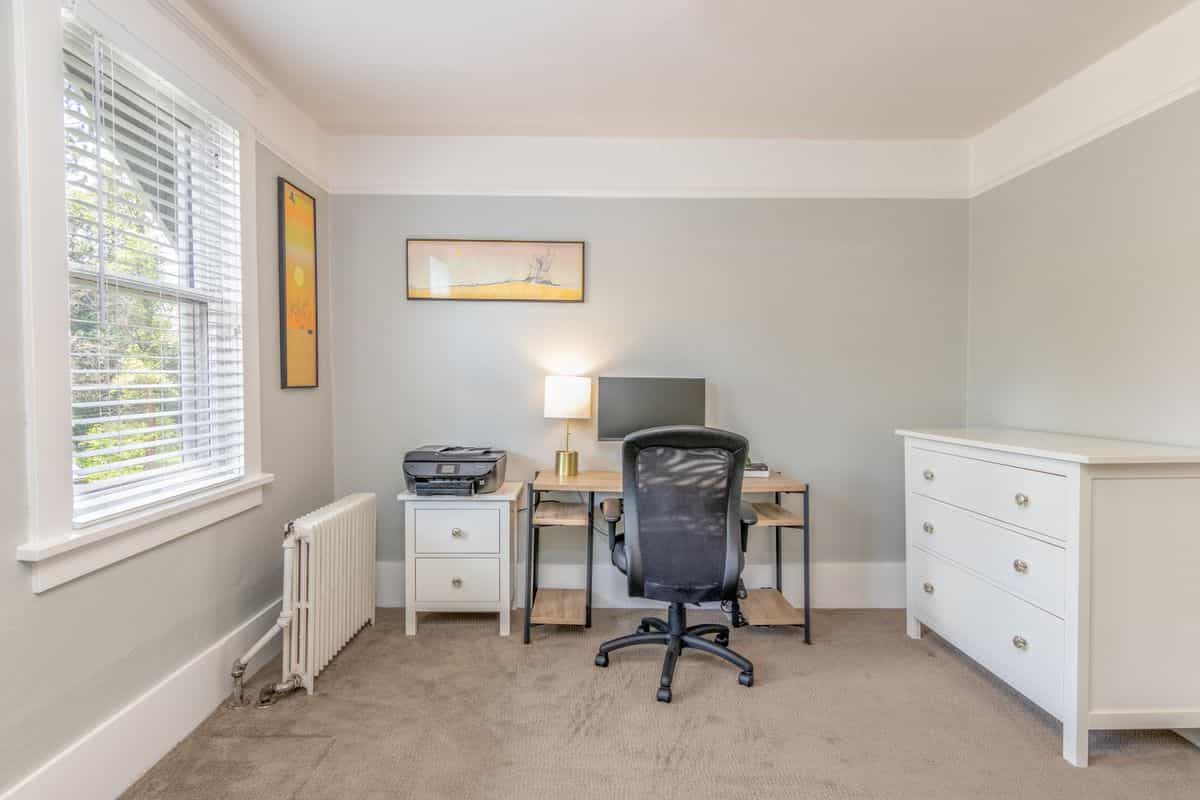
Once you have a space, the desk goes in the command position: facing into the room toward the door, able to see anyone who enters without being directly in line with it, with a solid wall behind your chair.
This is the rule with the most support outside feng shui. When you cannot see the entrance to a room, part of your mind keeps a low-level watch on it all day — and over an eight-hour stretch that background vigilance is genuinely tiring and competes with focus. Facing the door from a backed position lets the nervous system settle so you can concentrate. If your room won't allow it, the standard cure is a small mirror angled to reflect the door into your sightline. The full position-by-position breakdown is in the feng shui office layout guide.
Make the Most of a Window
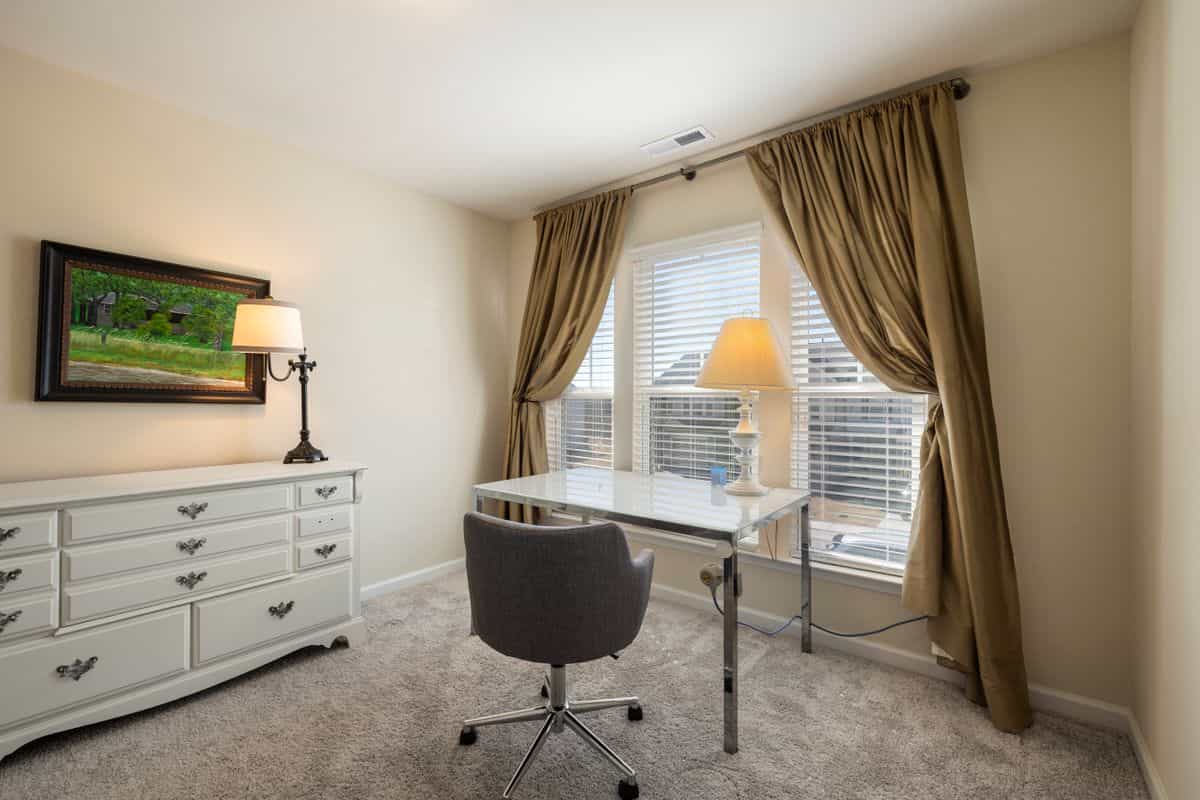
Most home offices have one window, and where the desk sits relative to it matters. The feng shui rule lines up exactly with what reduces screen glare: put the window to your side.
A window beside you gives energising natural light without the glare of facing it or the distraction of staring out — and your back can still meet a solid wall. Facing the window directly is discouraged on both counts: feng shui says your focus drifts out with the view, and practically you fight glare all day. Sitting with your back to the window leaves you unsupported, the same problem as backing onto a door. Dress the window with light-filtering curtains so you can soften harsh afternoon sun, and keep the sill clear rather than piled with clutter — this is the heart of a good feng shui office layout with a window.
Set Work-Life Boundaries

This is the rule that matters most for remote workers, and the one a traditional office handled for you by simply being a different building. When home is also the office, work energy bleeds into rest and rest bleeds into work — and both suffer.
Feng shui's answer is to give work a defined edge the room can hold:
- Contain the work. A dedicated room, or a screened-off zone in a shared space, so work has a place it belongs — and a place it does not.
- End with a shutdown ritual. Close the laptop, tidy the desk, and physically step away at day's end, so your brain registers that work is over. (Tidying the desk also means you return to a clear one — a small daily reset.)
- Do not work from the sofa or bed. It feels cosy, but it dissolves the line between working and resting, which erodes your focus by day and your sleep by night.
None of this needs the energy framework to make sense — it is the spatial version of the advice every remote-work expert gives. But feng shui got there first, and framing it as protecting the room's restful zones makes it easier to actually do. If you are carving an office out of a one-room home, the feng shui studio apartment guide covers zoning in detail, and the sleep research is firm that a work-free, screen-free bedroom protects rest.
Mind Your Video-Call Backdrop

Here is a modern wrinkle the old guides never faced: in remote work, a slice of your home office is on camera several times a day, and what sits behind you shapes how you come across — to colleagues and to yourself.
Feng shui's decor logic applies neatly. Keep the backdrop calm and uncluttered — a clear wall, a tidy shelf, a plant, or a piece of art that represents where you want to go — rather than a pile of laundry or a chaotic bookshelf. A composed background reads as competent and settles your own mind before a call; a cluttered one quietly signals stress to everyone, including you. This is the bagua idea of "what surrounds you reinforces your direction," scaled to a webcam frame — and it costs nothing but a minute of tidying.
Colors, Plants, and Living Energy
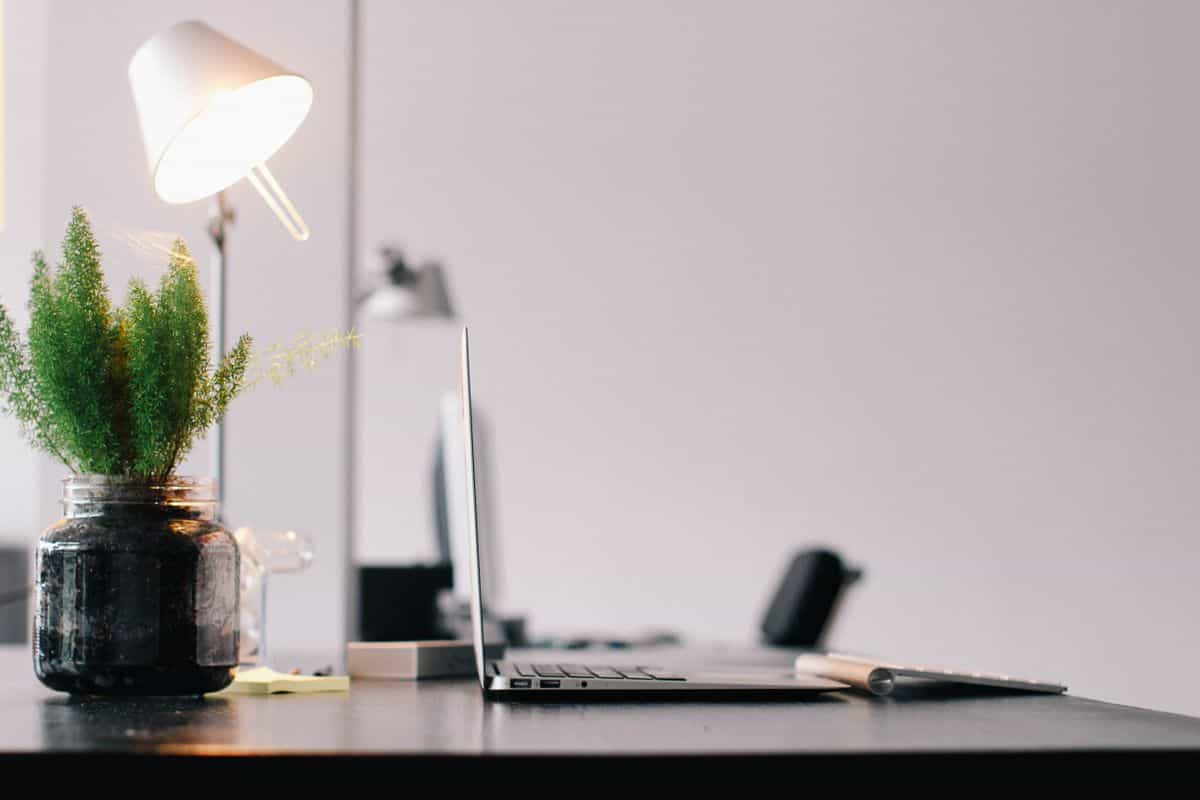
Color and life set the mood you work in all day, so they are worth getting right. Feng shui leans toward grounding, earthy tones for an office — beige, tan, warm neutrals for stability — lifted by soft green for growth and focus or pale blue for calm and clarity. A small accent of red or purple energises the space or the wealth area without overwhelming it. The aim is enough warmth to feel motivating and enough calm to concentrate.
Then add living energy: one or two healthy, broad- or round-leafed plants such as a jade plant, pothos, or money tree. Feng shui treats them as growing Wood energy, and they give tired eyes somewhere restful to land between tasks. Skip spiky cacti and anything dried or artificial, which read as stagnant. (One honest aside: the popular claim that a desk plant "purifies your air" overstates the research it rests on, which used sealed lab chambers, not home offices — keep the plant for the calm and the focal point, not as an air filter.)
Declutter and Support Yourself
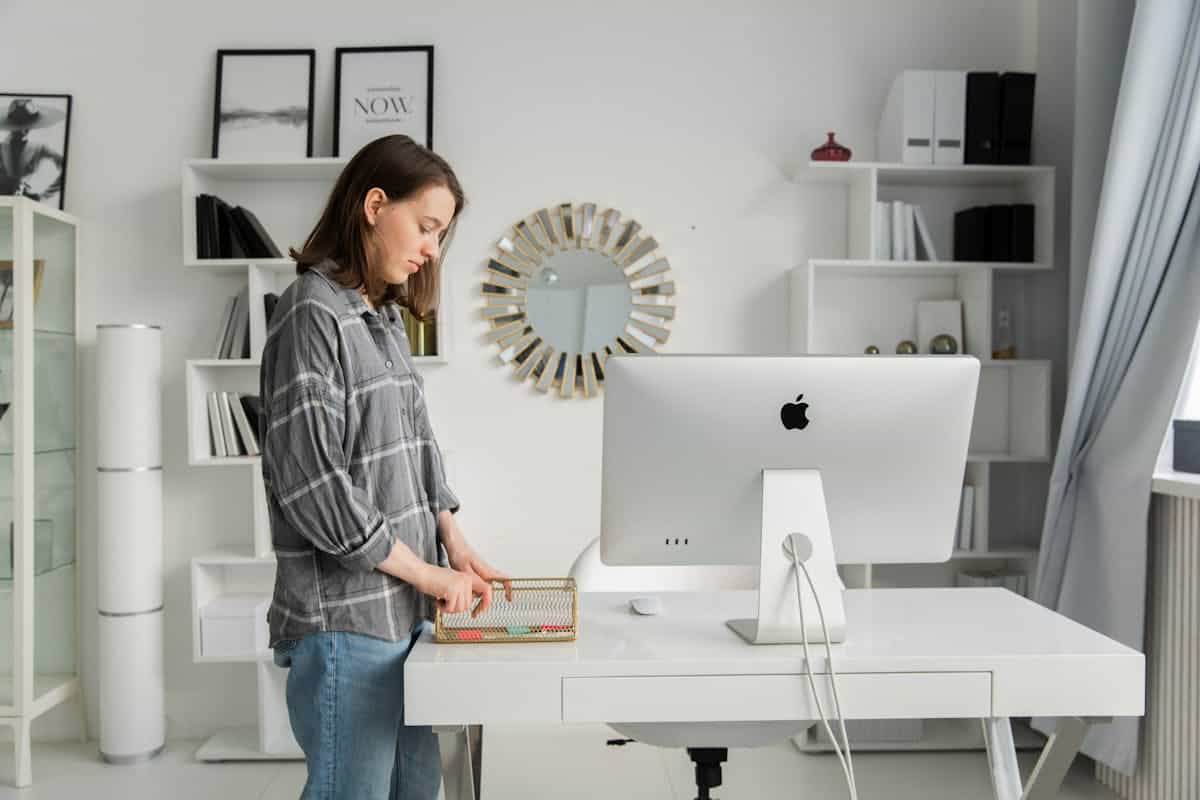
Two practical pillars finish the setup. Declutter the desk and the room — feng shui treats clutter as stagnant energy, and the independent evidence is strong that a messy workspace competes for attention and makes focus harder. Keep only what you use daily on the desktop, give everything else a drawer or shelf, and reset at the end of each day.
And support yourself, literally. A solid wall behind you is the feng shui ideal; a good high-backed, ergonomic chair delivers the same sense of backing when no wall is available, and saves your body over long remote-work hours. Feng shui calls it energetic support; your spine just calls it support. The two agree. For how all of this fits the wider room, the feng shui office layout guide covers the elements, lighting, and decor in full.
Which Home-Office Rules Actually Matter
This is the section most setup guides skip, and the most useful. Sorting it honestly lets you spend effort where it counts.
Worth doing regardless of belief: a dedicated or defined space, the command position, a window to the side, real work-life boundaries and a shutdown ritual, a decluttered desk, a supportive chair, and natural light. Every one maps onto real remote-work psychology — focus and wellbeing improve when work has a defined place, you feel secure and unclutered, and rest is protected. The broad case is sound, not superstition.
Traditional belief, not measurable: Qi flowing as an energy, the bagua directions assigning corners to wealth and career, and the precise compass orientation of the desk. Coherent within feng shui, harmless to follow, sometimes quietly motivating — but the productivity gains live in the practical column.
The One Thing to Carry Away
The hardest part of working from home was never the desk — it was that home and work stopped being different places. Everything in this guide is really one move: give work a defined edge, so you can step into it in the morning and, just as importantly, step out of it at night.
Whether you call that good Qi or good boundaries, the result is the same — a corner of your home that switches on when you sit down and switches off when you leave. The energy is debatable. The relief of closing the laptop and actually being home is not.
Mirror FAQ
How do I set up a feng shui home office?
Start by choosing the right space: a dedicated room if you have one, ideally not the bedroom or a dark basement, near the front of the home where active energy belongs. Put the desk in the command position — facing the door, able to see who enters without being in line with it, with a solid wall behind you. Place it beside a window rather than facing it, keep the colors calm and earthy, add a healthy plant, declutter the desk, and — the part remote workers most need — build a clear boundary between work and home so the two do not bleed into each other.
Where should a home office go in the house for feng shui?
Feng shui favours a home office toward the front of the home or in a separate room, where active, working (yang) energy suits the space — and away from the bedroom, which should stay restful. A dedicated room with a door you can close is ideal because it lets you physically separate work from home life. Basements and dark, cramped corners are discouraged as low-energy spots. If you must work in a shared room, define the work zone clearly and screen it off when the day ends.
Can I have a home office in my bedroom for feng shui?
It is the least-ideal option, because work energy is active and alert while a bedroom should be restful, and the two interfere — hurting both focus and sleep. If the bedroom is your only choice, keep the desk as far from the bed as possible, ideally out of sight from the pillow, give it the command position, and screen it or cover the work at night so the room can become a bedroom again. Separating work from rest, even with just a folding screen, is the goal.
Is it good feng shui for a home office desk to be in front of a window?
Beside a window is good; directly facing one is not. A window to your side gives you energising natural light without glare on your screen or the distraction of staring out, and lets your back still meet a solid wall. Facing the window is discouraged because feng shui holds your focus drifts out with the view, and practically you get glare and distraction. Sitting with your back to the window leaves you unsupported. Use light-filtering curtains and keep the sill clear.
What colors are best for a feng shui home office?
Earthy, grounding tones suit a home office best — beige, tan, and warm neutrals for stability — lifted by soft green for growth and focus or pale blue for calm and clarity. A small accent of red or purple can energise the space or the wealth area without overwhelming it. The aim is a palette with enough warmth and life to feel motivating but calm enough to concentrate in, since you may be looking at these walls all day.
How do remote workers keep work and home separate with feng shui?
Build boundaries the room can hold. Use a dedicated space or a screened-off zone so work has a defined place; end the day with a shutdown ritual — close the laptop, tidy the desk, and physically leave the workspace — so your brain registers that work is over; and avoid working from the sofa or bed, which blurs rest and work and erodes both. The principle is that a defined edge between work and home protects your focus during the day and your rest at night.