Broken Mirror Meaning in Different Cultures and Traditions
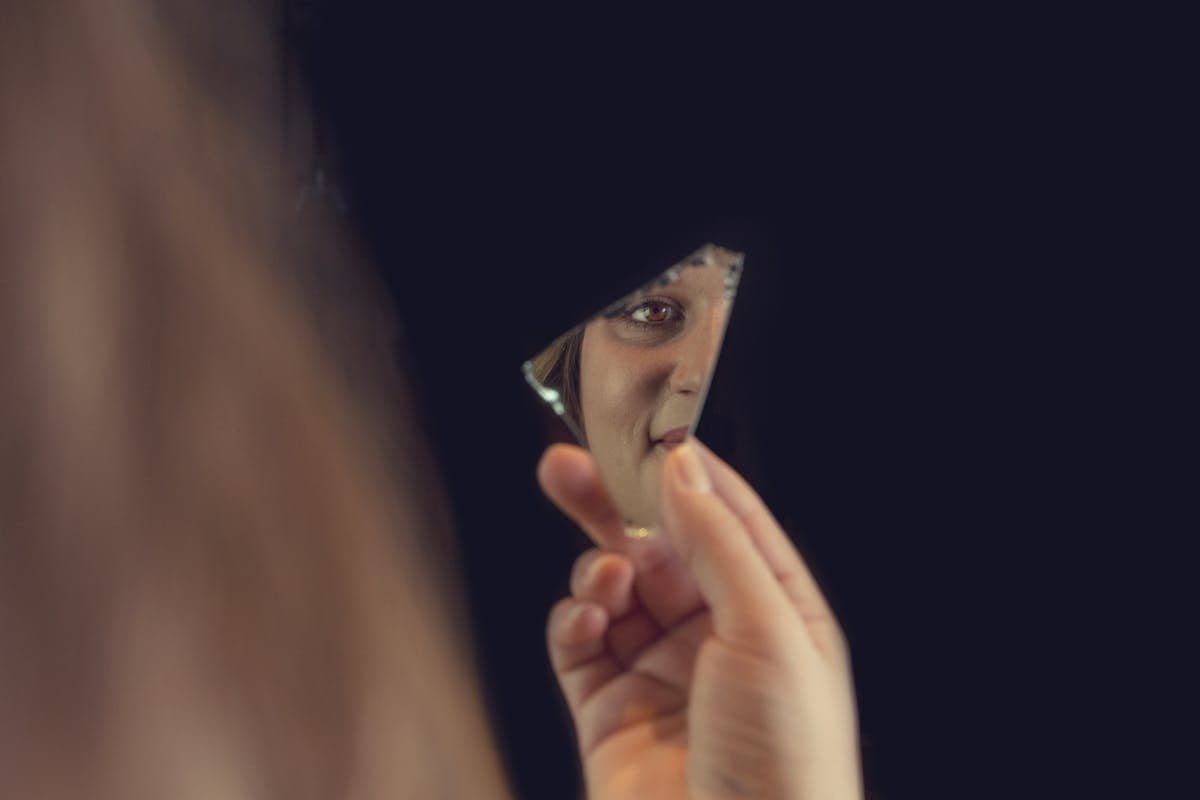
A broken mirror does not mean the same thing everywhere. In Western tradition — rooted in ancient Rome — breaking one brings seven years of bad luck. In some parts of India, the same act releases negative energy and signals positive change. In West African spiritual traditions, it can represent liberation from something that had been constraining you. In Japanese philosophy, broken things can be made more beautiful for having been broken. The seven years bad luck story is the one most people know. It is not the only story — and understanding where it came from makes the belief itself more interesting.
The oldest known mirrors were polished obsidian found in Anatolia (modern Turkey), dating to approximately 6000 BCE. For most of human history, mirrors were rare and expensive objects — first polished metal, then glass, then slowly available to ordinary households in the 19th century. The superstitions that formed around rare and precious objects came with them into that era of mass production, even when the practical rationale had long since disappeared.
Where the Seven Years of Bad Luck Belief Actually Came From
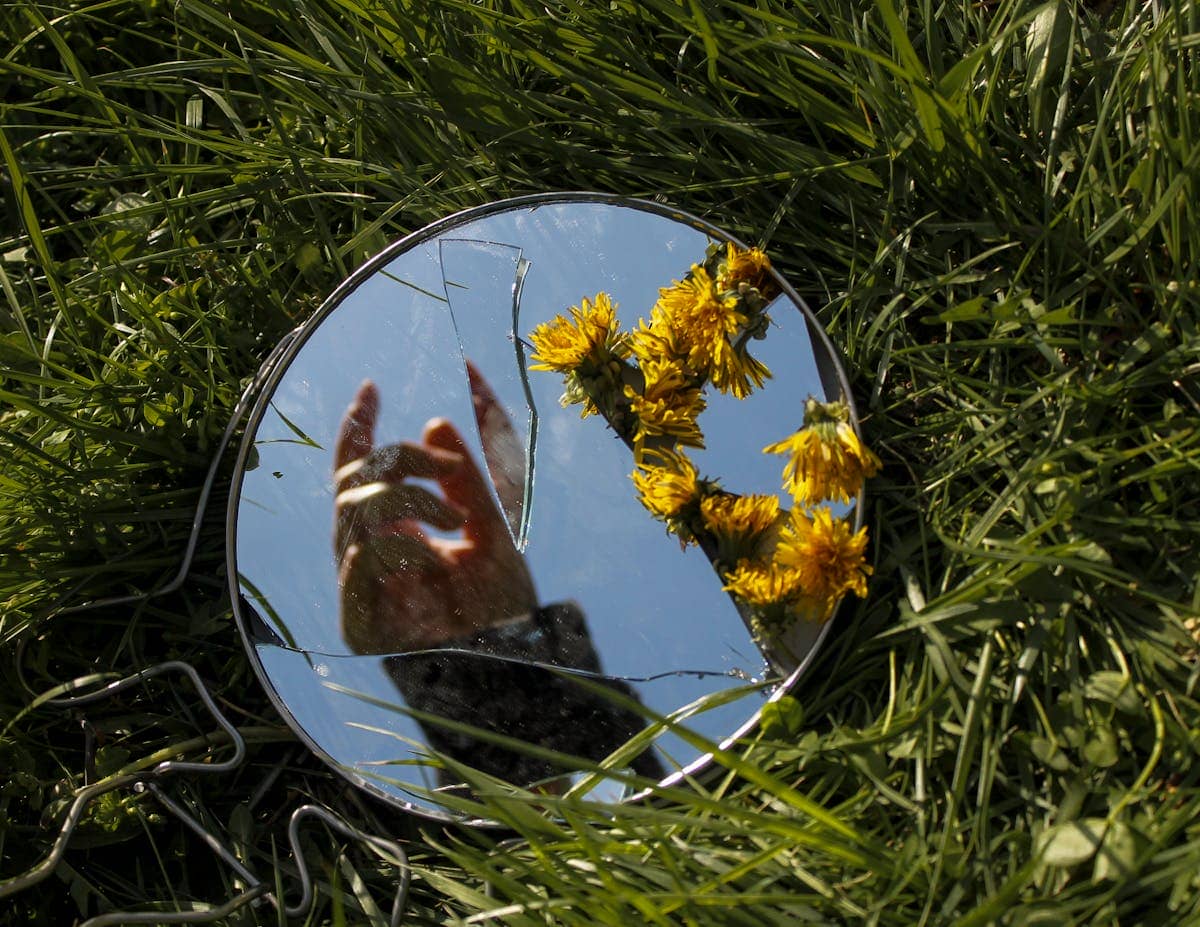
The "seven years bad luck" superstition is between 2,000 and 2,700 years old. The Conversation traces its origins to ancient Greece and the Roman Empire, where reflected images were believed to have mysterious powers — a direct connection to the soul.
Roman artisans manufactured mirrors from polished metal and believed their gods observed human souls through these devices. To damage a mirror was considered so disrespectful that it was thought to bring divine punishment. The "seven years" specifically came from the Roman belief that the body renewed itself completely in that cycle — so the bad luck would last exactly one full renewal period, after which the soul would recover and life could begin again.
There was also a practical element at work. Early glass mirrors were expensive and fragile. Telling people that breaking one would bring seven years of bad luck was an effective deterrent against carelessness — a scare tactic that worked well enough to survive for centuries even after mirrors became cheap and ordinary. The belief then crossed centuries and continents, embedding itself into European and eventually American folk tradition as mirrors became mass-market goods in the late 1800s.
At that point, the superstition detached entirely from its original rationale. It persisted not because it made logical sense but because superstitions, once established, are remarkably durable. HowStuffWorks notes that the belief travels through families and social networks, reinforced by stories of people who broke mirrors and then had a terrible year. Confirmation bias does the rest — the brain notes the hits, forgets the misses, and the pattern feels real.
What Western and European Tradition Actually Believes
The core Western belief: a mirror captures the soul or life force of whoever looks into it. A broken mirror fragments that captured image — and with it, the person's luck, health, or spiritual protection. The seven years of bad luck is the consequence of that fragmentation.
This belief is well-documented across European folk tradition from the Roman period through the 19th century. In Victorian England, mirrors were status symbols as much as functional objects. Breaking one represented significant financial loss on top of the folkloric curse — which may have reinforced the association between breakage and misfortune in that specific cultural moment.
Historical mirror lore records a range of traditional remedies for reversing the curse. Romans suggested burying the shards by moonlight or throwing the pieces into running water. Other folk traditions recommend grinding the glass fine enough that no reflection is possible, or leaving the shards untouched for seven hours (one for each year of bad luck) before carefully disposing of them. Some accounts suggest touching a tombstone with a shard, or making the sign of the cross. The variety of remedies suggests the superstition was widespread enough that different communities developed their own versions independently.
What is notable is that the remedies exist at all. The superstition is not fatalistic — it assumes the harm can be reversed if you act correctly. That is a distinctive feature of the Western tradition that not all cultural frameworks share.
Russian and Slavic Traditions: Something Heavier Than Bad Luck
In Russian and many Slavic folk traditions, a broken mirror is not merely unlucky — it is treated as a serious omen. The association is often with death rather than just misfortune. Breaking a mirror is read as a sign that someone in the household will die within a year, or that the person whose reflection was last held in the mirror faces mortal danger.
This is a more extreme interpretation than the Roman version, and it reflects a pattern common across Slavic folk belief: mirrors as direct conduits between the living world and what lies beyond it. A broken mirror in this framework is not just an accident — it is a rupture in that boundary, a crack in the membrane that separates the living from the dead.
The practical implication in traditional households was to cover mirrors immediately after a death in the family — so the spirit of the deceased could not become trapped in the glass, and so the living would not accidentally see their own reflection alongside the dead. A broken mirror complicated this already fraught relationship with reflective surfaces. Rather than being covered or managed, it was now actively dangerous — a surface whose protective and boundary-keeping function had been destroyed.
Chinese Feng Shui: When a Mirror Scatters Energy Rather Than Directing It

Feng Shui — the Chinese practice of arranging living and working spaces to optimise the flow of qi, or life energy — assigns a specific role to mirrors. A properly placed mirror expands a space, bounces natural light, and redirects qi in beneficial directions. Mirrors are considered active participants in the energy of a room.
A broken mirror does the opposite. In Feng Shui, a cracked or damaged mirror scatters qi in fragmented and unpredictable patterns rather than directing it coherently. The distorted reflection returns distorted energy — which can manifest as confusion, relational disruption, or financial difficulty, depending on which area of the home the broken mirror is located in.
The Bagua map (the Feng Shui framework for mapping different life areas onto different zones of a home) is relevant here. A broken mirror in the wealth corner of a room is seen as particularly harmful to financial stability. One in the relationship corner may disrupt partnerships. The harm is not generalised "bad luck" — it is specific to the energy of the space affected.
The standard Feng Shui guidance is unambiguous: do not leave a broken mirror in place. Replace it promptly. There is no equivalent to the Western "perform a remedy over seven hours." In Feng Shui, the harm is ongoing for as long as the broken mirror remains in the space.
Indian Vastu Shastra: When a Broken Mirror Disrupts Prosperity
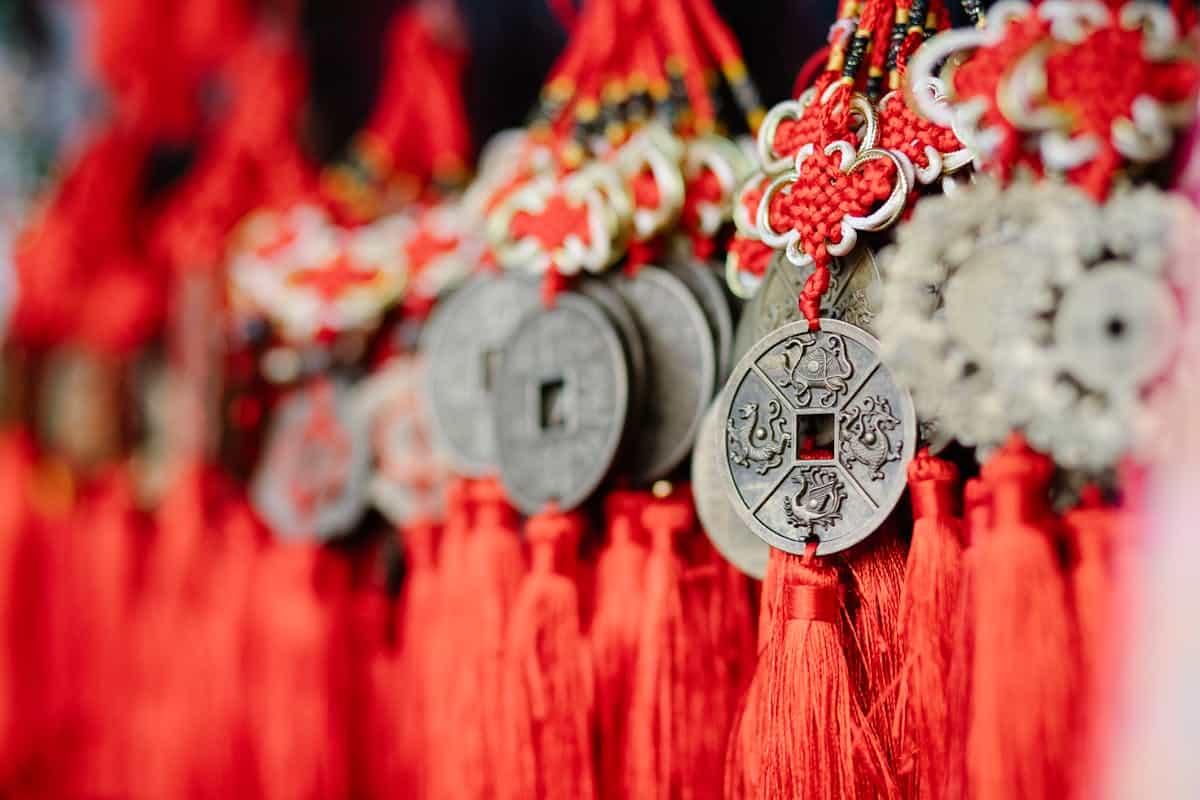
Vastu Shastra, the ancient Indian system of architecture and spatial arrangement (dating back approximately 6,000 years), treats mirrors as significant objects that affect the energy balance of a home. A properly placed mirror reflects prosperity and amplifies positive conditions in the space. A broken mirror introduces the opposite.
In Vastu Shastra, a cracked mirror produces multiple distorted reflections — which symbolically introduces confusion, division, and disharmony into the household. The broken mirror is thought to prevent the clear, coherent reflection of positive energy. A broken mirror in the bedroom is traditionally linked to relationship instability; one near the main entrance is thought to turn away positive opportunities rather than welcoming them in.
The Vastu guidance, like Feng Shui guidance, is to remove broken mirrors immediately — wrapping them before carrying them out of the home so the "broken energy" does not spread through the house as you go.
Here is where it gets genuinely interesting. In some parts of India, particularly in regional folk belief outside the formalised Vastu framework, a broken mirror carries the opposite meaning entirely. Breaking a mirror is seen as releasing negative energy that had accumulated within it — clearing away something stagnant and making space for something better. The same country, different frameworks, opposite interpretations of the same event. This is the most important thing to hold in mind when reading about broken mirror superstitions: no single tradition owns the meaning.
Japanese Tradition: Why Broken Things Can Be More Beautiful

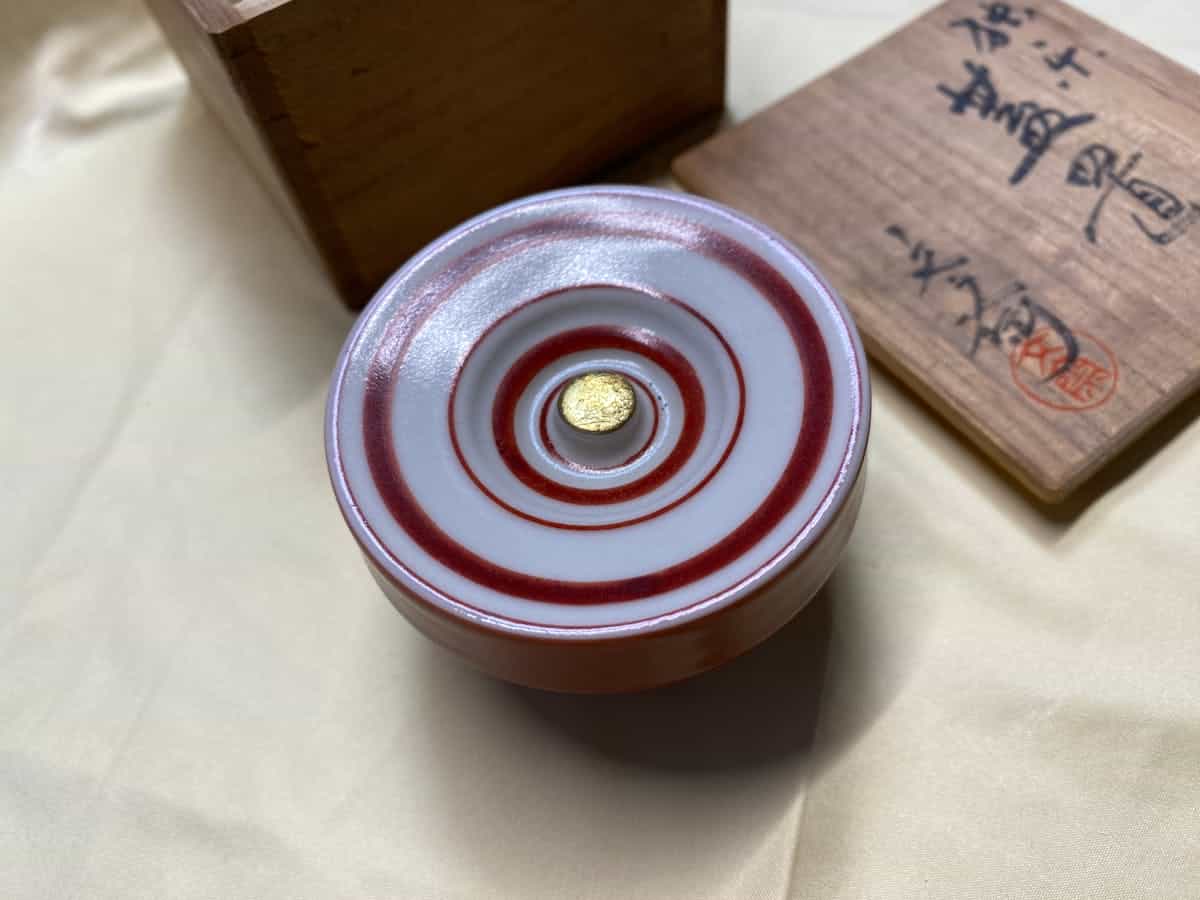
Japan does not have a direct equivalent to the Western broken mirror curse. The tradition most often cited in comparison is Kintsugi — the art of repairing broken pottery, ceramics, and objects with gold or silver lacquer. Rather than hiding the damage, Kintsugi makes it the most visible and celebrated feature of the repaired object. The cracks become golden seams. The broken piece becomes more distinctive and more valuable for having been broken.
This is not a mirror-specific tradition, but the underlying philosophy offers a direct counterpoint to the Western superstition. Where the Western tradition treats a broken mirror as damaged and ominous, the Kintsugi philosophy treats breakage as an event that can be transformed — something that reveals the history of the object rather than ending it. The break is not a curse; it is part of the story.
Japanese Shinto tradition treats certain sacred mirror types as deeply holy objects. The yata no kagami — the Sacred Mirror of the Imperial Regalia — is one of the three Imperial treasures of Japan, considered to embody wisdom and to be the dwelling place of the sun goddess Amaterasu. The reverence for mirrors in this tradition is profound. But the specific anxiety around broken ordinary mirrors that characterises Western and Slavic folk belief does not have a clear equivalent in mainstream Japanese practice.
West African and Diaspora Traditions: Breaking as Liberation
In certain West African spiritual traditions and their diaspora descendants — including practices carried through the Atlantic slave trade to the Caribbean and the Americas — mirrors hold a specific spiritual function. They are understood as surfaces that can retain spiritual residue, absorb energy from the people who use them, and serve as points of contact between the living and their ancestors.
Within this framework, a broken mirror is not necessarily a curse. It can represent the release of whatever the mirror had been holding. If the mirror had been exposed to conflict, grief, or accumulated negative energy, breaking it releases that energy — which may be exactly what a situation calls for. Some traditions use the deliberate breaking of a mirror as a ritual act of completion: ending a difficult relationship, closing a painful chapter, or releasing a spirit that had been bound to the object.
This is a fundamentally different orientation from the Western superstition. Where Western tradition treats the mirror as a neutral object that carries bad luck when broken accidentally, some West African and diaspora traditions treat the mirror as an active spiritual participant — and breaking it as a potentially intentional and meaningful act rather than an accident to be feared or remedied.
Jewish Tradition: When Breaking Glass Is a Sacred Act
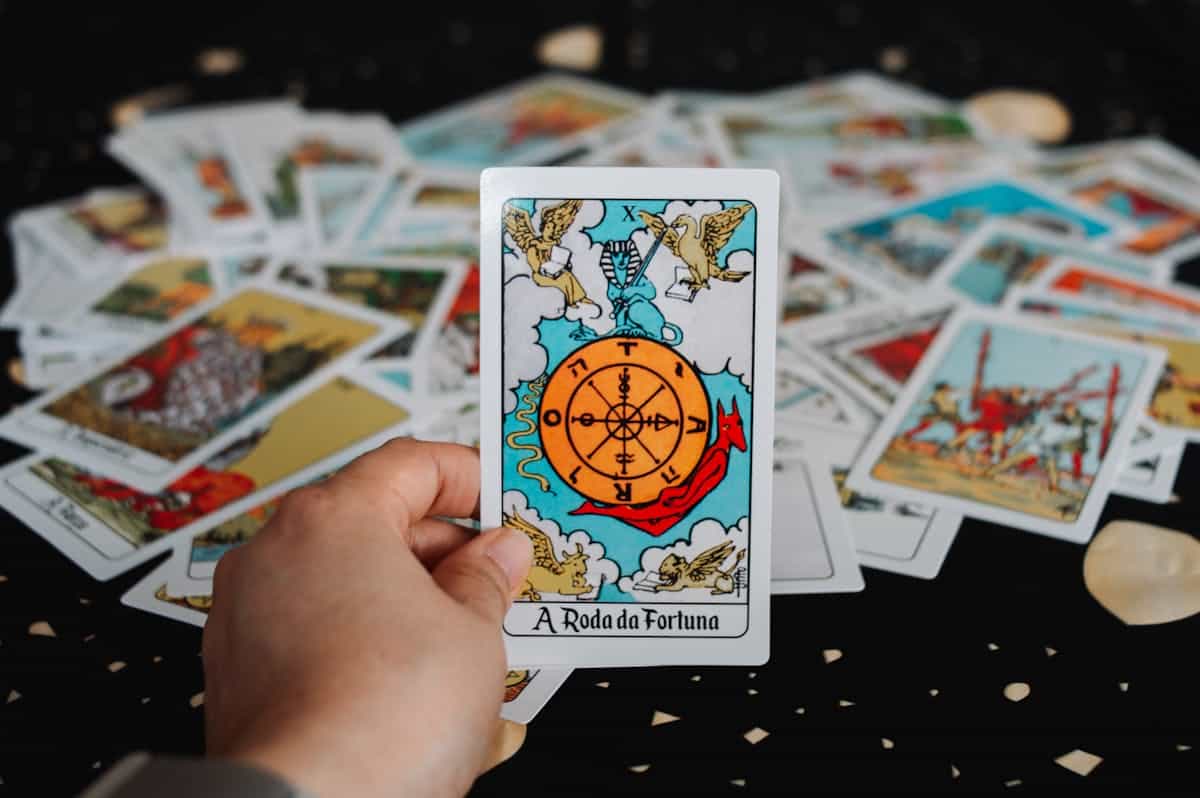
In Jewish tradition, the breaking of glass is best known as a wedding ritual. At the close of the ceremony, the groom breaks a glass beneath his heel, and the assembled guests call out "Mazel Tov." The interpretations of this ritual are multiple: it is said to commemorate the destruction of the Temple in Jerusalem, to introduce a note of solemnity into the height of celebration, or to acknowledge that even at the peak of joy, loss and impermanence are part of human experience.
This is not a mirror-specific tradition, but it illustrates the broader principle: within Jewish tradition, the breaking of glass can carry sacred and affirmative associations, not purely ominous ones. The deliberate act of breaking is woven into one of the most joyful ceremonies in the calendar.
The general principle in Jewish law around broken possessions is also relevant. An accidental breakage is treated as an opportunity for acceptance and humility rather than as an omen. The specific "seven years bad luck" superstition was absorbed into Jewish communities in Europe from surrounding folk culture — it is not a native Jewish religious teaching, and observant communities typically do not treat it as authoritative.
How the World Reads a Broken Mirror: A Quick Comparison
| Culture or Tradition | Core Interpretation | Response |
|---|---|---|
| Western (Roman-origin) | Seven years of bad luck | Remedies exist; reversible |
| Russian and Slavic | Omen of death or serious harm | High urgency; act quickly |
| Chinese Feng Shui | Scattered, distorted energy in the space | Replace immediately |
| Indian Vastu Shastra | Disrupted prosperity and harmony | Remove from home promptly |
| Indian folk belief | Release of accumulated negative energy | Positive; no action needed |
| Japanese Kintsugi philosophy | Breakage as opportunity for beautiful repair | Honour the damage |
| West African and diaspora | Potential spiritual release or completion | Depends on context and intent |
| Jewish tradition | Breaking glass as sacred remembrance | Positive in ritual context |
| Latin American folk | Mala suerte, bad luck | Similar to Western tradition |
| Contemporary spiritual | Ego death and personal transformation | Personal interpretation |
Why a Two-Thousand-Year-Old Superstition Still Feels Meaningful Today

The broken mirror superstition has lasted because it engages several things the human mind does naturally. We search for cause-and-effect patterns — even ones that are not real — because pattern recognition is how we navigate the world. When something bad happens after breaking a mirror, the brain registers the connection. When nothing bad happens, it tends to discount that as irrelevant. This is confirmation bias, and it is one of the main mechanisms that keeps superstitions alive across generations.
Social transmission is the other mechanism. We absorb superstitions from parents and trusted adults while young. They circulate through communities, reinforced by stories of people who broke mirrors and then had difficult years. The more people who hold a belief, the more credible it feels to new members of the community — regardless of whether it has any basis in cause and effect.
For a broader look at how mirrors appear across spiritual and religious traditions around the world, the guide to mirror symbolism across world cultures and religions covers the full scope — from Islamic to Hindu to Buddhist to indigenous frameworks.
The honest answer about what a broken mirror means is that it means what the culture around you has taught you to believe it means. That is not a dismissal of the belief. It is the most interesting thing about it.
What the Roman curse and the Indian folk blessing share — despite being direct opposites — is an underlying assumption that mirrors are not merely neutral objects. They hold something. They participate in the world around them in ways that go beyond their function as pieces of glass. That intuition appears independently across cultures that had no contact with each other. The meaning they attach to breaking differs. The sense that the mirror matters does not.
If you have recently broken a mirror and are wondering what to do, the guide on how to reverse bad luck from a broken mirror covers 13 specific remedies from different traditions — including which ones have documented historical roots and which are more recent inventions. And for a more personal approach to what the event might mean in your specific situation, the piece on broken mirror spiritual meaning and what to do takes that angle directly.
The mirror does not change when it breaks. What changes is which cultural story you bring to that moment — and those stories, it turns out, vary more than most people expect.
Mirror FAQ
Is a broken mirror bad luck in every culture?
No. The seven years of bad luck belief is primarily a Western tradition rooted in ancient Rome. Many cultures interpret a broken mirror differently — in some Indian traditions it signals the release of negative energy, in West African spiritual practice it can represent liberation, and in Jewish tradition breaking glass is associated with sacred remembrance at weddings.
Why does breaking a mirror mean seven years of bad luck?
The belief originated in ancient Rome. Romans believed mirrors captured fragments of the soul, so breaking one damaged the soul. The seven years came from the Roman belief that the body completely renewed itself in that cycle — meaning your luck would eventually recover after one full renewal. The superstition spread widely after mirrors became mass-produced in the late 1800s.
What does a broken mirror mean spiritually?
Spiritual interpretations vary by tradition. In Western folklore it signals misfortune. In Vastu Shastra a broken mirror disrupts positive energy flow. In some West African and diaspora traditions, breaking a mirror can represent liberation. In contemporary spiritual practice it is sometimes seen as ego death and personal transformation.
What should you do after breaking a mirror to avoid bad luck?
Traditional remedies include burying the shards in moonlight, throwing pieces into running water, or grinding the glass so fine nothing can be reflected. A more grounded approach is to dispose of the glass safely and not treat the event as ominous — psychological research suggests that treating it as neutral is the most effective way to avoid the anxiety the superstition can create.
What does a broken mirror mean in Chinese Feng Shui?
In Feng Shui a broken mirror is considered a serious concern because mirrors are believed to amplify and direct energy (chi) within a space. A cracked or broken mirror is thought to scatter energy in distorted ways rather than directing it positively. The standard Feng Shui guidance is to replace a broken mirror promptly rather than leaving it in place.
What does Vastu Shastra say about a broken mirror?
Vastu Shastra holds that a broken mirror disrupts the flow of positive energy and prosperity in a home. A cracked mirror is believed to introduce confusion and disorder into the space by multiplying distorted reflections. Vastu practitioners typically advise removing broken mirrors from the home immediately.
Can a broken mirror be considered good luck?
Yes, in certain traditions. In some Indian folk beliefs, breaking a mirror releases negative energy that had accumulated within it — making it a positive event rather than a negative one. This is the direct opposite of the Western seven years bad luck tradition, illustrating how much the meaning depends on the cultural framework you bring to it.
What does a broken mirror mean in Japanese culture?
Japan does not have a direct equivalent to the Western broken mirror curse. The closest cultural framework is Kintsugi — the art of repairing broken objects with gold lacquer — which treats damage as part of an object history rather than as something shameful. Japanese Shinto tradition treats certain sacred mirrors as deeply significant, but the Western broken mirror superstition does not map directly onto Japanese practice.