Broken Mirror Good Luck: What India and the World Actually Believe
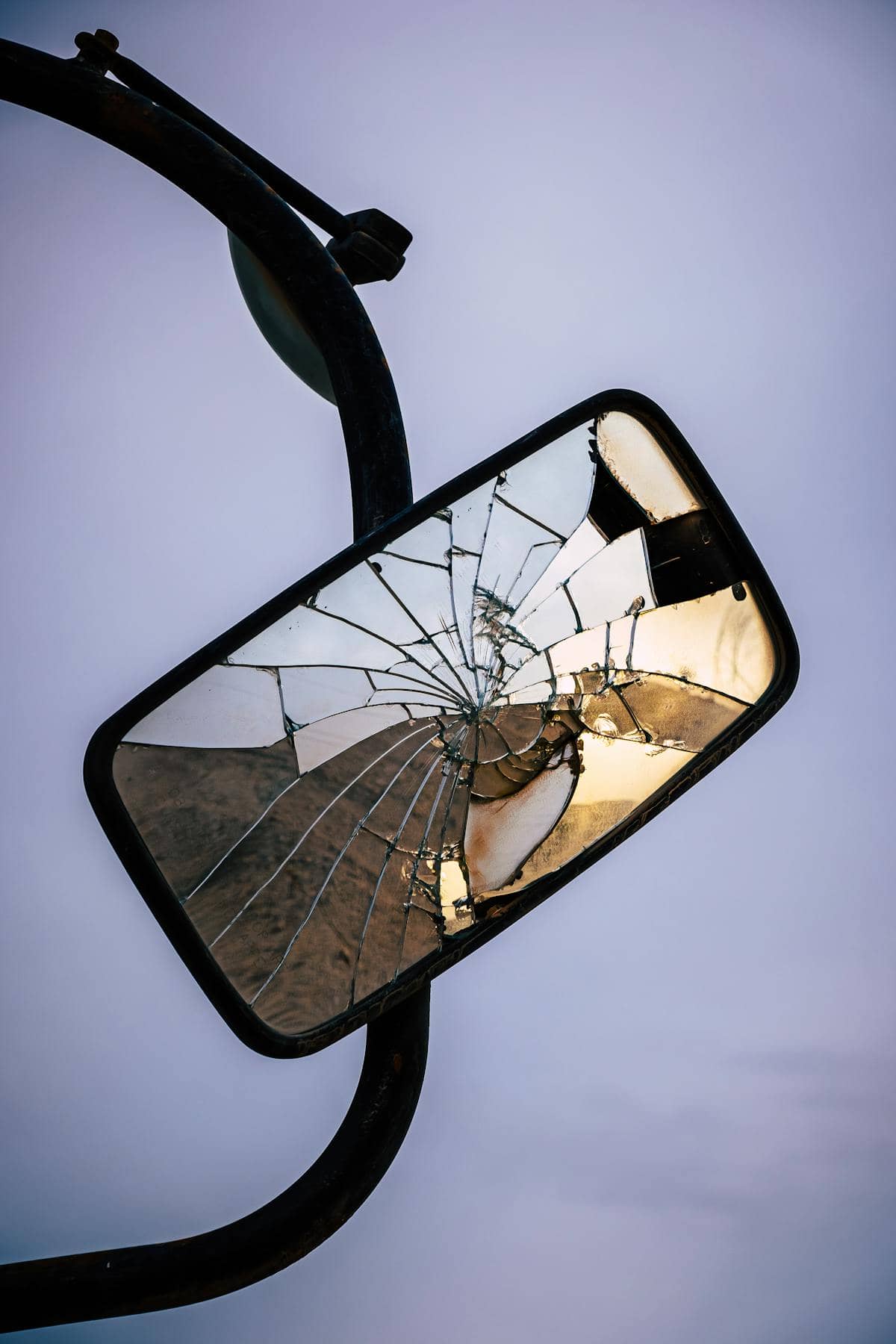
Breaking a mirror is read as calamity in the Roman-derived Western curse and as possible release in certain Indian folk and Vastu influenced views that treat accidental glass breaking as the exit of negative energy — and those frames can coexist in the same world because they answer different cultural questions, not different physics. The glass is the same: layered substrate, reflective coating, bad luck if you step on it barefoot. What changes is the story your community hands you about what the break means.
If you are searching this after a real crash in the hallway, you already know the stress is not imaginary. The goal here is not to replace one superstition with another, but to map the major interpretations clearly — including the ones that treat a fracture as auspicious — so you can choose what to carry forward.
What Does a Broken Mirror Mean for Luck in India Compared With the West?

In post-colonial English, the phrase "seven years bad luck" often wins the argument by default. Western film, advertising, and playground lore turned a costly Roman era warning into a global meme long before most people could locate its source. The Conversation traces that lineage through Greek and Roman anxieties about reflections and souls, then forward into the age when mirrors became cheap enough to break often.
Meanwhile, many Indian readers encounter a different headline cluster: breaking glass as shubh or inauspicious depending on context, astrologer, and region. India.com summarises a common Vastu adjacent reading that accidental breaks can mark the departure of evil influence or stale energy from the home while still urging you to clean up quickly so the space does not hold damaged glass. The contrast is not neat urban legend versus scripture; it is blended folk practice, media astrology, and lived household habit.
For a wider map of how cultures disagree without invalidating one another, see the dedicated walkthrough of broken mirror meaning across different cultures and traditions.
Where Did the Seven Years Bad Luck Story Begin?
Roughly two millennia of storytelling stand behind the Western curse. Roman era viewers treated polished metal reflections as spiritually charged; damaging the surface could symbolise damaging the likeness and, by analogy, wellbeing. Romans also associated serious life renewal with cycles of seven years — a mnemonic that turned "bad luck until the soul heals" into a countdown people could repeat at dinner tables for centuries afterward.
Economics mattered as much as mysticism: early glass mirrors strained household budgets. Telling dependents that breakage invited divine displeasure was one way to safeguard an object that today costs a fraction of monthly rent yet still feels symbolically loaded. Historical writers note how the superstition spread widely once mirrors entered mass manufacture in the late 1800s. By then the practical reason faded, but the emotional charge lingered — exactly the recipe for folklore that survives its origin.
Those hunting primary-flavoured folklore notes can browse Historical mirror lore summaries at Mirror History, which catalogue remedies from burying shards to dissolving reflections through grinding — evidence that cultures rarely stopped at doom; they also invented repair rituals.
Why Might a Shattered Mirror Read as Positive in Parts of India?

Here is where the same cracked glass becomes testimony to cleanup rather than curse. In certain regional folk narratives, accumulated negativity is imagined as something that lodges in stagnant objects — dusty corners, cluttered shelves, ageing mirrors hung where light no longer touches them cleanly. Breaking the mirror abruptly ends its hold. The logic parallels spring cleaning as spiritual hygiene: disruption becomes evidence that an old pattern finished.
In some parts of India, a broken mirror is considered good luck — specifically, that breaking a mirror clears negative energy that had accumulated in it, releasing it and allowing positive energy to flow. The same object. The opposite meaning. Both traditions — the Roman curse and the Indian blessing — existed for centuries without either culture knowing the other interpretation. No single tradition owns the meaning. The mirror has meant different things to different peoples in different centuries. The meaning tells you about the people and the era — not about the mirror itself.
Two clarifications keep this honest. First, India is not monolithic; urban professionals may laugh at the auspicious reading while relatives in another town treat it seriously. Second, even optimistic readings rarely encourage keeping jagged mirror pieces as décor. Many Vastu explainers still warn that cracked glass left in place invites disorder — an interesting blend of spiritual optimism and practical tidiness.
When Else Does Breaking Glass Mark Joy Instead of Dread?

Comparative religion offers several rehearsed breaks. Jewish wedding guests cheer when a couple smashes a glass underfoot — a sacred puncture in the evening that turns fragility into vow. Greek customs sometimes include intentional plate smashing as cathartic festivity. None of these are mirror-specific, yet they illustrate a broader human pattern: brittle material can symbolise the necessary end of an old state.
That pattern helps explain why Indian horoscope columns and Western ghost shows can both go viral after the same household accident. People want events to speak. A mirror — literally built to show you yourself — is an almost too-perfect prop for narrative. If you need a calmer script for the Western side of your family while honouring the Indian framing, naming the difference out loud often works better than debating which superstition "wins."
Why Does Feng Shui Treat a Cracked Mirror Differently From Indian Optimism?
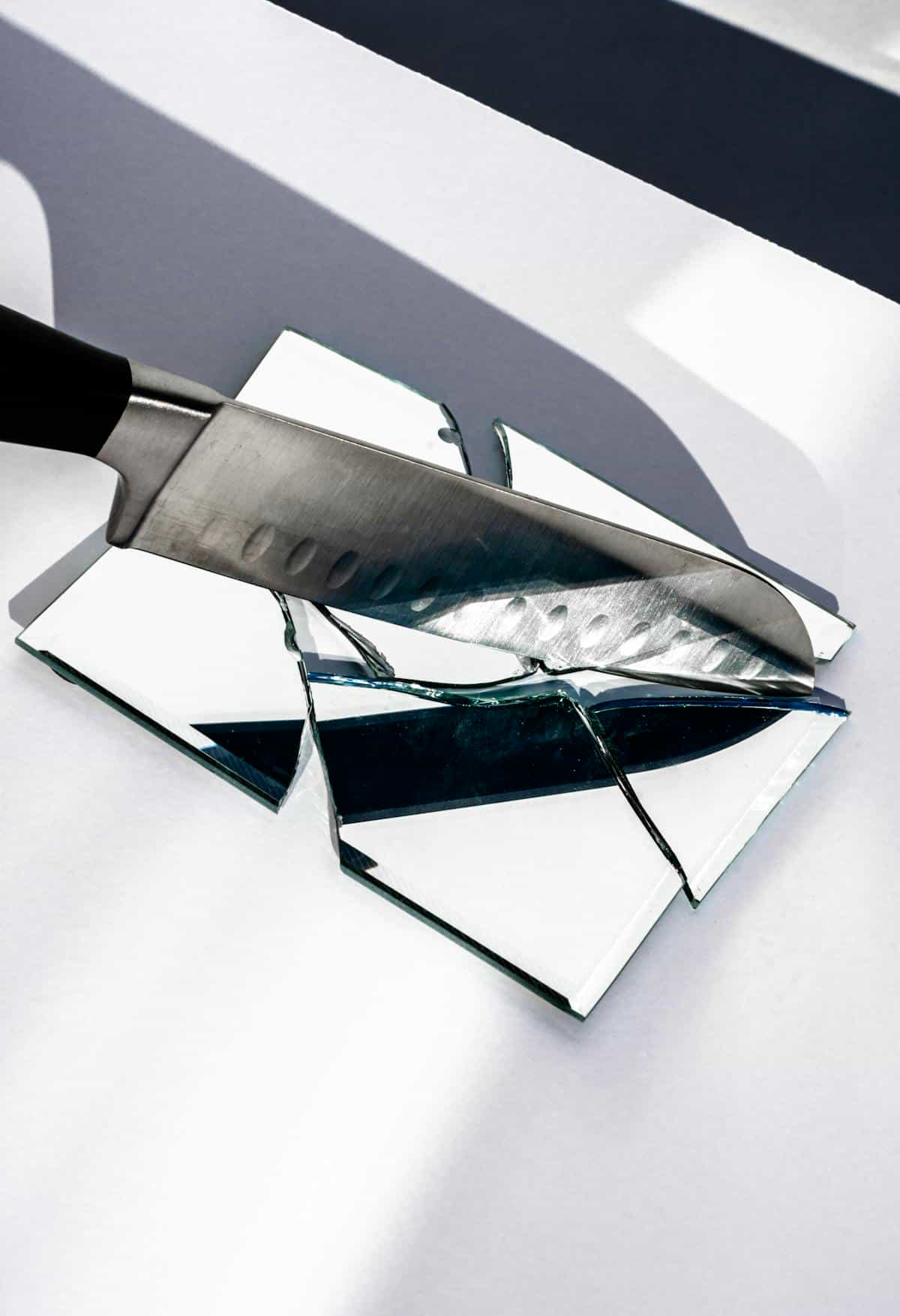
Classical Feng Shui uses mirrors as tools: doubling light, redirecting views, softening sharp corners. A crack interrupts that engineering of attention. Instead of a clean doubling, you get visual noise — a metaphor many practitioners extend to chi that wobbles instead of flows. The guidance is less about moral punishment and more about restoring clarity in the environment.
That does not cancel Indian folk optimism; it layers another profession's vocabulary onto the same object. One frame says the break releases stored heaviness. Another says the break broke a device you relied on to harmonise a room. Both can agree on the next step: remove the damaged mirror, cleanse the wall, install something sound when you are ready.
Why Do Opposite Beliefs About Broken Mirrors All Feel True?
Psychologists call part of the answer confirmation bias: minds notice the week that went badly after a break and discount the years nothing followed a shattered vanity. Anxiety does the rest. If you treat a mirror as a truth surface, cracking it can feel like cracking identity — especially on a hard day.
What helps is separating levels of analysis. Culturally, multiple meanings are real because communities built them. Materially, a mirror remains a thin metal film on glass. You are allowed to hold both: respect the story that comforts your grandmother and the physics that explains reflection. If you want structured ritual ideas from within the Western superstition itself, the guide to how to reverse bad luck from a broken mirror collects folk remedies without insisting any single one is mandatory.
What Should You Do First After a Mirror Breaks?
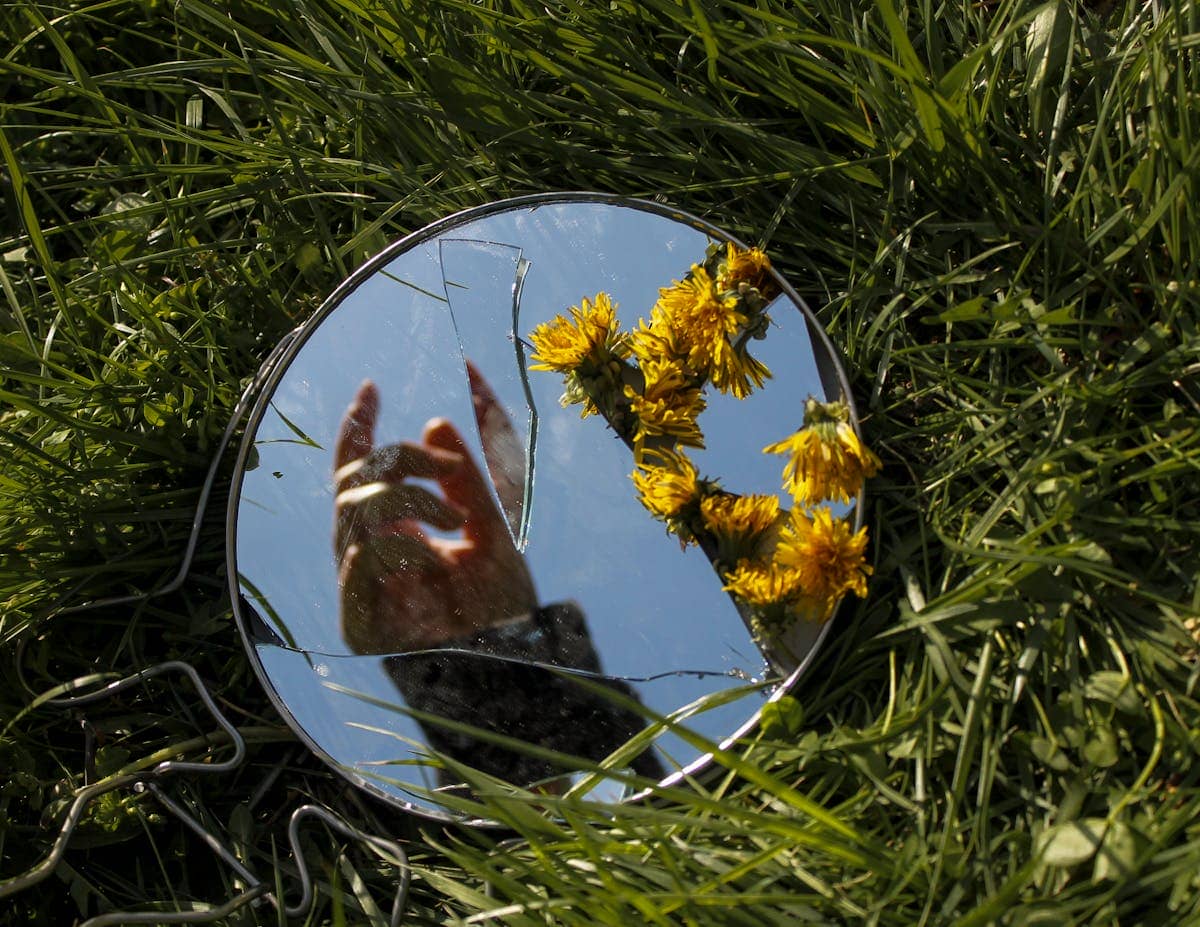
Spiritual advice should never outrank safety. Sweep slowly, use cut-resistant gloves, tape newspaper over areas where glittering dust hides, and check whether local waste programs accept mirror glass separately from standard trash. Once the floor is trustworthy again, decide what story you need: a short prayer, a salt sprinkle at the threshold, a silent promise to replace self-criticism with steadier language — or simply noting that accidents happen.
If vivid dreams later replay the break, that is a different interpretive lane; dream focused mirror symbolism explores how subconscious imagery layers fear, transition, and identity without requiring you to accept every omen literally.
How Can You Hold Good Luck and Bad Luck Stories Without Either Controlling You?
Borrow language from the Roman tale for historical curiosity, from Indian folk optimism for emotional relief, from Feng Shui for spatial discipline — then return to the present room, where the only miracle required is that nobody bled on the tile. The mirror does not choose your meaning; your community gave you a menu, and adulthood means you can read the whole page before ordering.
When the next full moon finds you hanging a new mirror, you might remember that the oldest known mirrors were polished obsidian in Anatolia around 6000 BCE, long before seven year curses or Vastu explainers online. Humans have been anxious and hopeful about their reflections for a very long time. A fresh sheet of glass is not a reset of soul, but it can be a quiet agreement to look again with less fear — whichever luck story you decide to keep.
What Stays With You After the Shards Are Gone?
The honest gift of contradictory traditions is humility. If a culture you did not grow up in reads your accident as blessing, that does not erase your pulse of panic; it widens the frame. If the Roman curse still whispers, archival summaries of mirror lore show you are inheriting drama, not destiny. Choose the interpretation that helps you act kindly toward yourself and everyone else who shares the hallway — then walk past the empty hook without flinching.
Mirror FAQ
Is breaking a mirror good luck in India?
Some Indian folk and Vastu influenced interpretations treat accidental breaking of glass or mirrors as a sign that stale or negative energy is leaving the home, sometimes read as a prelude to renewal. This is not universal across India; many households also dread breakage. The auspicious reading usually applies specifically to unintended breaks rather than careless destruction.
Why do people say seven years bad luck for a broken mirror?
The idea comes largely from ancient Roman belief that a reflection held something essential about the self, paired with cultural reverence for the number seven as a cycle of renewal. Mirrors were costly and fragile, so frightening people into careful handling helped protect property. Mass produced mirrors spread the story globally in the late 1800s.
Does Vastu Shastra say a broken mirror brings money or health?
Popular Vastu explainers sometimes link accidental glass breaking to endings that clear space for prosperity or healing. Those claims are folkloric interpretations, not mechanical guarantees. Serious Vastu advice still prioritises promptly removing shattered glass rather than displaying damaged mirrors long term.
Is a broken mirror always bad luck in Feng Shui?
Feng Shui generally treats a cracked or broken mirror as energetically messy because mirrors are used deliberately to steer chi. Damage is widely read as scattering or distorting intention in the space, which is why many practitioners advise replacing cracked mirrors promptly while cleaning up respectfully.
What should you do spiritually after breaking a mirror?
Grounded spiritual care begins with safer physical cleanup: gloves, taped newspaper over shards, and proper disposal for glass recycling where available. Afterwards, borrow a ritual only if it genuinely steadies you, from salt and prayer to deliberate reframing — the goal is intentional calm, not superstitious spiral.