How to Reverse Bad Luck from Breaking a Mirror: 13 Folk Remedies
There are at least 13 documented folk remedies for reversing bad luck from a broken mirror, and the oldest ones go back to ancient Rome. The most immediate remedy — throwing salt over your left shoulder — takes two seconds. The most involved — burying the shards under moonlight after a salt soak — takes a day. Most sit somewhere in between. What matters, across almost every tradition, is that you act deliberately rather than just sweeping the glass into the bin and hoping for the best.
Breaking a mirror has meant bad luck in the West for more than two thousand years. That is a long time for a belief to persist. The more interesting question is not whether the superstition is true — it is where it came from, why so many cultures developed counter-rituals, and what those rituals actually involve when you look at them closely.
This guide covers all thirteen remedies with honest detail: what each one involves, where it comes from, and which ones are most practical depending on your situation.
Why the Romans Believed a Broken Mirror Cursed You for Seven Years
The seven-year figure is Roman in origin, documented by folklorists in sources like Christina Hole's Encyclopedia of Superstitions (1996). The Romans believed that life renews itself in complete seven-year cycles — that your body, your health, and your fortune were all tied to this rhythm. A mirror, in Roman thinking, did not just show your face. It captured a portion of your soul in the reflection.
Break the mirror, and you break the soul-image. Reset the seven-year cycle to zero. Seven years would pass before the damage healed fully.
The superstition spread through Europe as mirrors became more widely available. For most of human history, a clear glass mirror was an expensive luxury. In 16th-century Venice, a Venetian mirror could cost as much as a major painting. Ordinary people went their entire lives without owning one. When mirrors did become common — in the late 1800s, after the mercury-tin silvering process was eventually replaced with cheaper methods — the superstition had already been set in the culture for centuries.
The Snopes fact-check on breaking a mirror documents the core sources and notes that the exact origin of the seven-year link is genuinely uncertain — what is clear is that both elements (mirrors as soul-vessels and seven as a significant number) were present in classical culture and converged into this specific belief.
What most traditions agree on is that the "curse" is not a divine punishment handed down intentionally. It is described as scattered energy — an energetic mishap, not a sentence. That framing is important, because it is why the remedies exist at all. If it were a sentence, you could not undo it. Because it is scattered energy, you can re-contain it.
What to Do in the First Five Minutes After Breaking a Mirror
Before you get to the specific remedies, two things are widely agreed on across traditions:
Do not look at your reflection in the broken pieces. This is the most consistent instruction across European and folk traditions. The belief is that seeing your fragmented reflection reinforces the fracturing of the soul-image. If you catch a glimpse accidentally, do not panic — simply perform a quick cleansing ritual (throwing salt, splashing water on your face) to reset.
Do not use a vacuum cleaner. This appears specifically in several folk traditions and is also just practical advice if you take the spiritual framing seriously. Sweeping is the correct approach: move the pieces gently with a broom and dustpan, visualising the scattered energy being gathered as you work. Wrap the shards in cloth — preferably something natural like cotton or linen — rather than plastic. The distinction matters in folk practice because cloth is breathable and allows the energy to "settle," whereas plastic is seen as trapping it.
Beyond those two points, speed matters more than method. Most traditions specify that the quicker you act after the break, the less time the scattered energy has to settle into your home and daily life.
The 13 Folk Remedies, Assessed Honestly

These remedies come from European folklore, Appalachian folk magic, feng shui practice, and wider spiritual traditions. They are documented — not invented — which means each one has a traceable origin and internal logic. Whether you approach them as literal spiritual practice or as meaningful symbolic ritual is your call.
1. Throw Salt Over Your Left Shoulder
The fastest remedy, and the most widely cited. Salt has functioned as a purifying agent across European, Middle Eastern, and Asian traditions for millennia — used to ward off evil, seal protective barriers, and absorb negative energy.
The left shoulder is specific: the belief holds that the devil sits on the left shoulder, influencing bad decisions and misfortune. Throwing salt over the left shoulder hits the devil in the eye, buying you time to escape the consequences of the broken mirror.
How to do it: Immediately after the break, take a pinch of any salt — sea salt, table salt, it does not matter — and throw it firmly over your left shoulder. Some traditions add a quick spin counterclockwise after the throw.
2. Spin Counterclockwise Three Times
If salt is not immediately available, this remedy requires nothing but yourself. Spinning counterclockwise is said to confuse the spirits that carry bad luck, disorienting them so they cannot attach to you.
How to do it: Immediately after the break, spin in place counterclockwise (to your left) three full rotations. Do this before you touch the glass or leave the room.
A word of context: several superstition sources note that spinning counterclockwise without a reason can itself invite bad luck in some folk traditions. Do this in response to the broken mirror, not as a general practice.
3. Cover the Shards in Salt Before Disposal
This is a more thorough version of the salt remedy — not just a pinch thrown over the shoulder, but a full salt immersion of the broken pieces.
How to do it: Place the broken shards in a bowl or bag and cover them completely with salt — sea salt or rock salt works best. Leave them submerged for 24 hours. The salt is believed to absorb and neutralise the negative charge in the glass. After 24 hours, discard both the salt and the glass together, wrapped and sealed.
4. Bury the Shards in Soil

One of the oldest documented methods. Earth is understood across traditions as a grounding force that absorbs erratic energy and returns it to neutral. Burial removes the fractured reflection from your space permanently.
How to do it: Take the wrapped shards to a location away from your home — a garden, a park, anywhere with accessible soil. Dig at least six inches deep. Lower the shards into the hole and cover them. Walk away without looking back. Some traditions specify burying at night to avoid seeing your reflection in any remaining shards as you work.
The burial remedy is considered permanent — there is no further timeframe attached to it. You bury, it is done.
5. Submerge the Pieces in a South-Running Stream

This remedy appears in multiple documented folklore sources and is distinctive for its specific claim: running water reduces the seven-year curse to seven hours. The directionality — south-running water specifically — is consistent across European folk sources, with south associated with movement, change, and the dispersal of accumulated energy.
How to do it: Find a naturally flowing body of water — a stream, river, or creek — that moves southward. Throw the wrapped pieces into the current. If you cannot reach natural running water, some modern practitioners use cold running tap water as a substitute, though the folk tradition specifies natural flowing water.
If the stream contains wildlife, unwrap the shards first and pour the glass carefully rather than submitting the cloth to the water.
6. Smudge the Space with Sage or Palo Santo

This remedy addresses the energy left in the space rather than the glass itself. Smudging is the practice of burning dried herbs — white sage in particular — and allowing the smoke to clear stagnant or negative energy from a room. Palo Santo (sacred wood from South America) is used similarly but is associated with inviting positive energy rather than just clearing negative.
How to do it: Before or after disposing of the shards, light a sage bundle or palo santo stick. Walk through the room where the mirror broke, letting the smoke reach the corners, walls, and floor. Open a window to allow the smoke — and the energy it carries — to leave. If smudging the whole room is impractical, focus on the immediate area where the break occurred.
7. Grind the Mirror to Powder (with important safety warnings)
Grinding the shards to fine powder prevents any further reflection and symbolically destroys the cursed vessel entirely. This is one of the most active remedies — you are not just moving the energy, you are eliminating the medium that holds it.
Safety is critical here. Fine glass dust is hazardous to inhale and can cause eye and skin injury. Wear a protective mask, safety goggles, and thick gloves. Work outdoors or in strong ventilation. Do not allow pets or children nearby.
How to do it: Wait for a full moon or waning moon if possible (waning moons are associated with banishing in folk practice). Use a mortar and pestle or a hammer wrapped in multiple layers of cloth to grind the larger shards to powder. Scatter the dust in open ground away from the home, or bury it.
8. Touch a Shard to a Tombstone

This is an old European remedy — unusual, but well-documented in folklore collections. The logic is a transfer of energy: the dead are beyond the reach of bad luck. By bringing the cursed object into contact with a tombstone, you symbolically pass the burden to the realm of the dead, where it has no power over the living.
How to do it: Visit a cemetery. Take a single shard (wrapped safely) and touch it briefly to a tombstone — preferably an older stone that feels neutral. Leave a small offering of respect: a coin, a flower, or a quiet acknowledgment. Dispose of the shard elsewhere before leaving the cemetery.
This remedy requires cemetery access, and it should be done with genuine respect for the space and any mourners present. It is not recommended for children or anyone uncomfortable with the setting.
9. Blacken the Shards with Fire, Then Bury After a Year
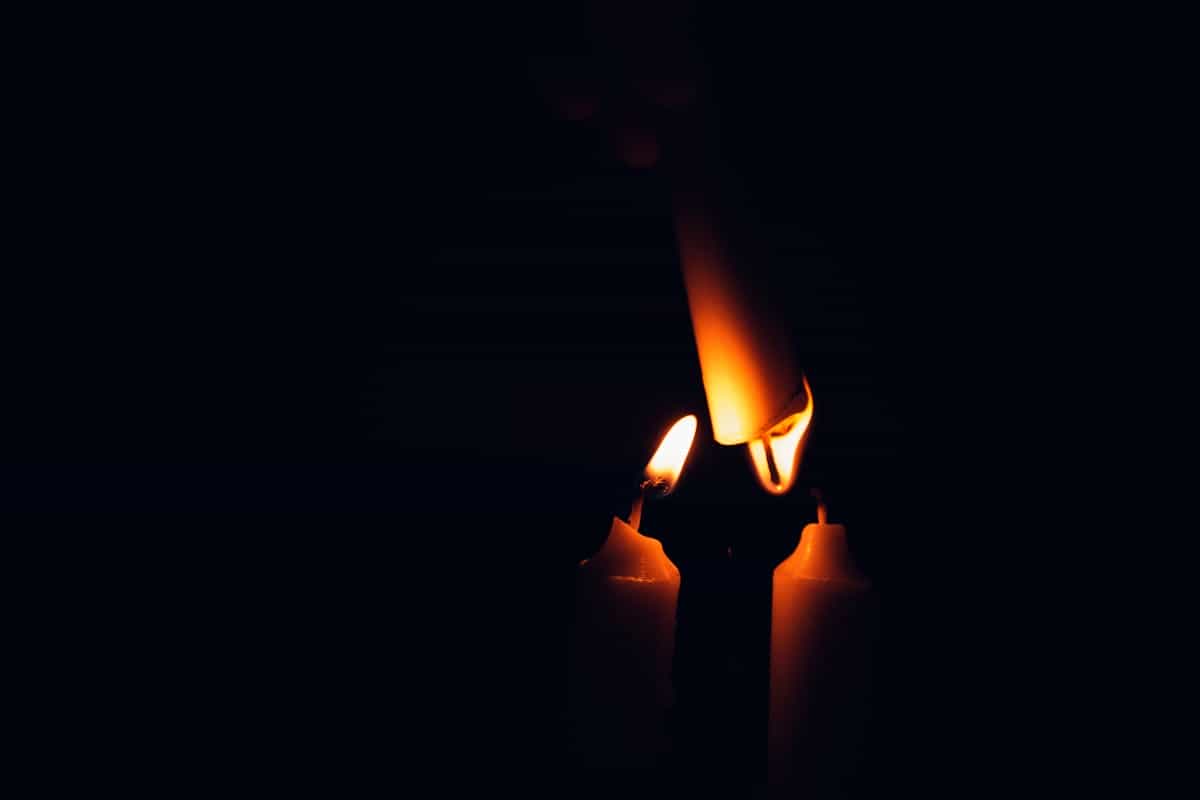
This two-stage remedy appears specifically in several European folklore sources. Burning the mirror blackens the reflective surface, removing its ability to hold any image — and thus, according to the logic of the superstition, removing what makes it dangerous. The year-long waiting period before burial is said to compress the seven-year curse to one year.
How to do it: Using tongs or a fire-safe surface, pass each shard through a flame — candle, gas burner, or fire — until the reflective surface is completely blackened. Store the blackened pieces safely (wrapped, away from the home if possible). After a year has passed, bury them in the ground.
This is the most patient of the remedies, but folk sources are consistent about the one-year timeframe.
10. Wait Seven Hours Before Touching the Glass
Some traditions hold that the bad luck is not fully "active" until the glass has been disturbed. By leaving the broken pieces undisturbed for seven hours — mirroring the seven-year cycle — you allow the initial energetic disruption to settle and dissipate on its own.
Practical considerations: This is only feasible if the area can be safely cordoned off from children, pets, and foot traffic. If it cannot, prioritise safety over ritual timing and use one of the other remedies instead. For a comprehensive guide to safe physical disposal of mirror pieces alongside the spiritual considerations, CitizenSide's guide on disposing of a mirror without bad luck covers the practical steps clearly.
11. Perform a Full Moon Reset

This remedy is more common in modern spiritual practice than classical European folklore, but it draws on the long-standing association between the moon and cleansing cycles. A full moon is considered a powerful time for releasing what no longer serves you.
How to do it: If the timing allows, wait until the next full moon. Place the wrapped shards outside under the moonlight overnight. In the morning, dispose of them through burial or running water, reinforced by the moon's cleansing energy. If you want to add an additional layer, speak aloud what you are releasing before burial — naming it makes it intentional.
12. Repurpose the Shards into Art
Some traditions, particularly in modern spiritual practice, take the position that destruction is not the only option. Incorporating broken mirror pieces into art or mosaic work is said to transform the energy rather than eliminate it — converting fractured chaos into deliberate creativity.
How to do it: Working with gloves, use the shards in a piece of wall art, a mosaic tile project, or a framed collage. The act of creation is considered the reversal: what was broken becomes something new and intentional. This approach is not widely cited in classical European folklore, but it is consistent with spiritual traditions that emphasise transformation over disposal.
13. Use a Crystal Grid to Reset the Space
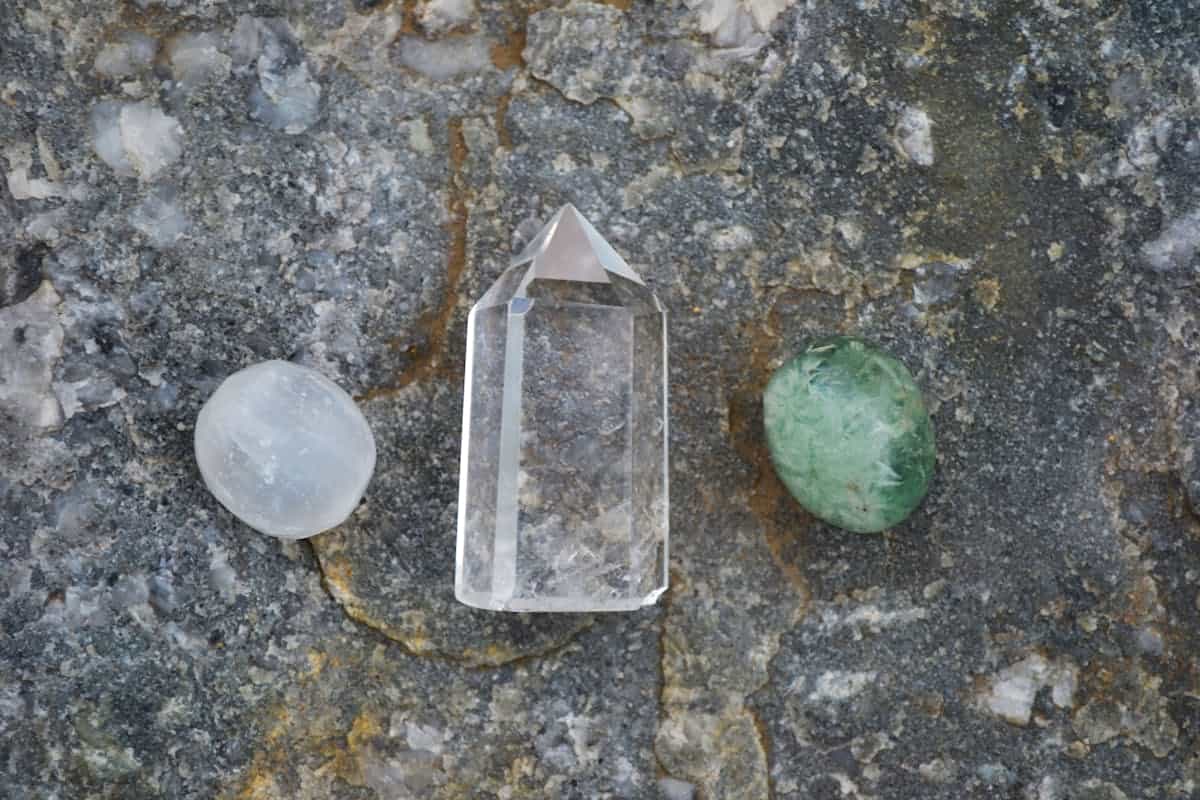
This is the most contemporary of the thirteen remedies and the one least rooted in classical folklore — but it is worth including because it is widely practised in modern spiritual work. A crystal grid is an arrangement of crystals placed with intention to shift the energy in a space.
For broken mirror energy, black tourmaline (protection and grounding), selenite (cleansing), and clear quartz (amplifying intention) are commonly used. The grid is placed in the room where the mirror broke, set with the clear intention of restoring energetic balance, and left in place for at least 24 hours.
This remedy works best in addition to one of the disposal methods above rather than as a standalone substitute.
Which Remedy Should You Actually Use?

The honest answer is: the one you will actually do, immediately, with genuine intention.
If speed is the priority, throw salt over your left shoulder — it takes two seconds and requires nothing but a kitchen staple you almost certainly have. If you want something more thorough, the 24-hour salt soak followed by burial is the most complete single-session remedy: it addresses the glass itself, neutralises the energy, and removes it from your space permanently.
If you are not particularly superstitious but the broken mirror has left you feeling vaguely unsettled, the physical act of a ritual — any ritual — provides a psychological reset. The anxiety that follows breaking a mirror is real even for people who do not believe in the superstition. Having a concrete action to take interrupts that anxiety loop. The Conversation's academic piece on why this superstition persists makes this point well: the rituals matter because they give the person a sense of agency in a situation that otherwise feels out of their control.
For more context on how different cultures have understood broken mirrors across history, the broken mirror meaning across different cultures and traditions piece covers the full cross-cultural picture. And if you are uncertain what a broken mirror might mean spiritually in your specific situation, broken mirror spiritual meaning and what to do is the more complete reference.
The Tradition Where Breaking a Mirror Actually Means Good Luck
It is worth noting that the seven-year bad luck belief is not universal. In parts of India, a broken mirror is considered good luck — specifically, that the break releases negative energy that had accumulated in the glass, allowing positive energy to flow more freely.
The same object. The opposite meaning. Both traditions have coexisted for centuries without either culture knowing the other's interpretation.
This is the most important thing to keep in mind when working with any of these remedies: the meaning of a broken mirror is a cultural belief, not a physical law. What the remedies provide is a framework for responding — a way of turning the moment from passive bad luck into an active choice. That shift, in most spiritual traditions, is where the real power of the ritual lies.
For the full picture of how mirror superstitions vary across the world's traditions, the encyclopedia of mirror superstitions and beliefs worldwide collects the breadth of cross-cultural mirror folklore in one place.
The Romans who first believed mirrors could hold the soul lived in a world where seeing your own face clearly was a relatively rare experience. A mirror that broke was a genuine loss — expensive, irreplaceable, unsettling. The superstition made sense in that context. The remedies that developed alongside it gave people something to do with the feeling. Two thousand years later, the feeling is still real, even when the mirror costs twelve pounds at a discount shop. So are the remedies. Use whichever one fits your situation — deliberately, not frantically — and move on.
Mirror FAQ
Does salt actually reverse bad luck from a broken mirror?
Salt has been used across European, Middle Eastern, and Asian traditions as a purifying agent. The remedy involves throwing a pinch over your left shoulder immediately after breaking a mirror. The belief holds that the devil sits on the left shoulder - tossing salt hits the source of bad luck. The ritual provides a concrete action to take, which psychologically interrupts the spiral of anxiety the superstition creates.
How long does bad luck from a broken mirror last?
According to the superstition, seven years - a number tied to the Roman belief that the body renews itself in seven-year cycles. Breaking a mirror was thought to damage the soul, resetting the cycle to zero. Most folk remedies claim to shorten or eliminate this period entirely: running water reduces it to seven hours, burial is said to clear it within a year, and immediate rituals like spinning counterclockwise are believed to cancel it on the spot.
What happens if you accidentally break a mirror?
Folk tradition draws no meaningful distinction between accidental and intentional breakage. The bad luck is attributed to the break itself, not the intention behind it. That said, most remedies are designed for use immediately after an accidental break - the faster you act, the more effective the ritual is believed to be.
Is it bad luck to keep broken mirror pieces in your home?
Most traditions say yes. Keeping the shards indoors is believed to extend or amplify the negative energy, since the broken reflection continues to be present in your space. The consensus across European and feng shui traditions is to dispose of the pieces deliberately - preferably through a ritual method rather than simply throwing them in the bin.
What should you do with broken mirror pieces after performing a remedy?
The most common disposal methods are burial in soil away from the home, submersion in running water, or wrapping in cloth and placing in outdoor rubbish. The key across traditions is to move the pieces out of the home quickly and deliberately. Do not leave them exposed in the house and avoid using a vacuum, which is believed to scatter the negative energy further.
Does burying a broken mirror reverse bad luck?
Burial is one of the oldest and most cross-cultural remedies. The earth is seen as a grounding force that absorbs and neutralises scattered energy. Some traditions specify night or moonlight burial for added effect. Burial is considered a permanent disposal method, meaning the bad luck ends with the ritual rather than being compressed into a shorter period.
Can you repurpose broken mirror pieces instead of disposing of them?
Some traditions actively encourage repurposing. Incorporating broken mirror shards into art or mosaic work is thought to transform the energy from fractured and chaotic to intentional and creative. This is most commonly cited in modern spiritual practice rather than classical European folklore. If you go this route, the general guidance is to handle the pieces with deliberate intent rather than casual indifference.
Where does the seven years bad luck superstition come from?
The superstition originated in ancient Rome. Romans believed that mirrors captured a portion of the soul in the reflection. They also believed life renewed itself in seven-year cycles. Breaking a mirror was thought to damage both the soul and the current health cycle, taking a full seven years to recover. The belief spread through Europe as mirrors became more widely available in the late 19th century.