Mirror Anxiety and Fear of Mirrors: Superstition, Stress, or Phobia?
Mirror anxiety is the lived experience where your pulse jumps, your gaze slides away, or you redesign your day to dodge reflective glass—and it ranges from folklore-hued discomfort to medically serious phobia. The honest framing is dimensional: respectful cultural beliefs mix with generalized anxiety circuits, traumatic associations, obsessive doubt, dysmorphic preoccupations, all on one spectrum. Sorting plain unease from a pattern that restricts your daily life decides whether home strategies are enough—or whether graded exposure guided by therapy should lead.
If skipping bathroom mirrors feels normal to you—or if you laughed off the feeling until avoidance stopped being optional—you are reacting to something real. Mirrors are neurologically potent: infants usually learn mirror self-recognition between fifteen and eighteen months, and clinicians test self-awareness partly through mirror tasks worldwide. Humans have only had affordable, flawless flat mirrors everywhere for roughly the last century; our nervous systems evolved long before IKEA filled homes with hallway glass. Anxiety about reflections is understandable even when the optics are mundane.
What does mirror anxiety feel like—and what behaviours show up besides fear?
Comfortable people scan a mirror casually. Anxiety tends to spike one or more predictable channels at once:
- Somatosensory arousal. Racing heartbeat, sweaty palms, dizziness, numb lips, gastrointestinal distress—classic sympathetic activation.
- Cognitive looping. Thoughts that reflection will trick you, distort you, condemn you, or reveal something unbearable—even when part of you calls the prediction irrational.
- Behavioural choreography. Hanging towels over glass, shaving by touch, texting before leaving because you dread the mirror check at the elevator, cancelling plans tied to restrooms with glaring panels.
Clinical sources describe avoidance so severe that sufferers remove mirrors, skip purchases that include reflections, dread driving because of windshield mirror geometry, or limit outings where surprise glass might ambush them. Milder versions resemble everyday self-consciousness amplified.
One reader once spent half a year covering mirrors and tilting reflective screens away—not because folklore demanded it—because confronting her mirrored face felt unbearable afterward. Gentle exposure reversed the distortions hiding in avoidance far more than concealment ever had. That vignette illustrates a recurrent pattern: secrecy inflates catastrophic imagery faster than truthful glances calibrated to pacing.
More context sits in the dedicated piece on spiritual dimensions of coping with mirrored fear titled Healing Perspective on Eisoptrophobia Across Mind and Tradition.
How does everyday superstitious discomfort differ from clinical anxiety—or an actual mirror phobia?
Here is how to mentally separate overlapping layers:
| Layer | Emotional tone | Behavioural footprint | Stakes |
|---|---|---|---|
| Cultural superstition / spiritual norm | Curiosity, precaution, intermittent unease tied to mourning, nighttime, Feng Shui, family stories | Ritual coverings or mindful placement—not usually hours of rumination afterward | Fits community meaning systems; seldom blocks core functioning |
| General stress or insecurity | Shame spikes in harsh lighting—but calms elsewhere | Hesitation mirrors; limited avoidance | Mirrors annoy you; rarely dominate planning |
| Specific phobia / severe mirror-focused anxiety | Panic disproportionate or dread hours ahead | Mirrors removed, errands avoided | Disruptive across domains needing targeted therapy |
Authorities such as NHS mental health guides describe specific phobia as overwhelming fear interfering with routines, contrasting it with mundane worries passing quickly. Definitions on specific phobia from the Merck Manual consumer reference likewise emphasise exaggerated fear of particular objects paired with behavioural retreat and anticipatory misery.
Superstitions—documented densely in folklore collections—supply narrative fuel: Roman-era soul-in-glass echoes still shape seven-year narratives; some Indian traditions conversely reinterpret breaks as auspicious resets. Mirrors also carry portal metaphors threaded through cinematic horror. You can intellectually discard every tale yet still tense when fluorescence hits metal-backed glass—the story need not persuade your cortex to coax your amygdala. For encyclopaedic cultural breadth unrelated to DSM labels, skim the atlas-style guide to mirror superstitions encyclopedia beliefs folklore worldwide.
Why might your biology treat a mundane mirror like a predator cue?

Rarely is mirror anxiety monocausal instead of stacked contributors. Mirrors become convenient lightning rods precisely because reflections return your face reliably—biology cannot debate you out of visceral embarrassment when lighting is cruel.
Bullying centered on facial features, medical crises under glare bouncing off stainless steel, storefront glass framing sudden violence—all are classical pairing stories where Pavlov-like learning stamps neutral reflections with threat tags you did not consciously vote for.
Where do shame spiral physics and anxious obsessive checking meet the mirror?
Roughly seventy-three percent of college-age participants in 2024 research reported broadly negative body-image perceptions—not a synonym for pathology, yet it hints how many brains treat mirrors as sentencing chambers. Mirrors do not objectively lie more than your phone camera—they simply keep returning a frontal view faster than reassurance habits can soothe. Anxiety compresses nuanced optics into blunt verdict long before cognition unpacks wavelength law.
Clinical reviews often cite Body Dysmorphic Disorder hovering near 1.7–2.9 percent lifetime prevalence—in those patterns mirrors toggle between compulsive scrutinizing mirrors and frantic avoidance swinging week to week. Neither pole feels voluntary.
Mirrors amplify hypervigilance when generalized anxiety spikes: sufferers monitor micro-expressions convinced early detection wards off doom. Checking compulsions and reassurance hunts blunt uncertainty momentarily yet strengthen long-run doubt—mirrors accidentally become arenas where compulsive theatre rehearses endlessly. Arousal networks can snag arbitrary cues unpredictably—you need not treat yourself as broken when biology learns faster than folklore unlearns.
Which folkloric mirror fears keep echoing—even when metaphysics disagree?

Historical layers matter because cultural learning shapes early templates about reflective surfaces breaking boundaries between seen and unseen. Examples include mourning cloths draped overnight, bans on mirrored beds facing sleeping bodies, vigil traditions around standing water glimpses—all catalogued variably globally. Mirrors were once luxury objects whose Venetian manufacture drew almost mythological secrecy—a Murano monopoly so fierce authorities allegedly threatened craftsman defectors. Today mass cheap glass multiplies confrontation frequency for anxious minds.
None of that proves spirits hover behind silver backing. It does prove humans long treated mirrors as psychologically liminal—edges where selfhood wobbles. Spiritual readers sometimes pair those tensions with breath-based grounding to avoid either dismissive scientism or credulous literalism. If you want psychospiritual integration beyond pure diagnostics, read mirrors mind soul psychology spirituality self reflection.
What do labels like eisoptrophobia actually buy you?
Medical glossaries sometimes swap eisoptrophobia, catoptrophobia, spectrophobia near interchangeably—all Greek fragments orbiting optics and fearful spectacles. Naming helps billing codes and psychotherapy contracts; it seldom replaces nuanced formulation about learning history. Some lists even pun adjacent phobia clusters (vampire folklore phobia is occasionally mentioned semi-jokingly beside mirror terror). Treat labels as shorthand, never destiny.
Formal diagnosis follows clinical interview emphasizing duration, avoidance severity, impairment, excluding medical mimics—for summary patterns see Mayo Clinic overview discussion of specific phobia signs and coping entry points. NHS symptom discussions (see NHS phobia information pages) emphasise dizziness, sweating, shakes—mirroring somatic overlays listed earlier.
Precision matters clinically because treatment branching diverges among OCD-specialized exposures, PTSD stabilization before mirror work, ERP for dysmorphic preoccupations, or gentle paced exposure purely phobic layering.
Why does chronic mirror avoidance amplify suffering instead of ending it?

The clinical principle is succinct: habitual avoidance reinforces catastrophic predictions—you never collect disconfirmatory evidence moderate-length glances seldom cause disaster. Anxiety balloons filling absent sensory data—your mind extrapolates worse caricatures unchecked. Exposure therapy hierarchies systematically violate those predictions safely. Start glancing—not staring—paired with paced breathing timed to exhale lengthening. Narrate sensations neutrally: “pulse elevated, cheeks warm, catastrophe absent.” Celebrate micro exits before panic crests—not because mirrors deserve worship—because rewiring thrives on truthful outcome records.
Environmental tweaks temporarily dim triggers (soft bulbs, angled panels) ethically support early skill-building—they must not ossify indefinite hiding. Aim for calibrated re-entry so bathrooms stop feeling like arenas.
Remember self-compassion scaffolding: avoidance often began as improvised protection—not moral failure.
What practical steps soften mirror anxiety responsibly?
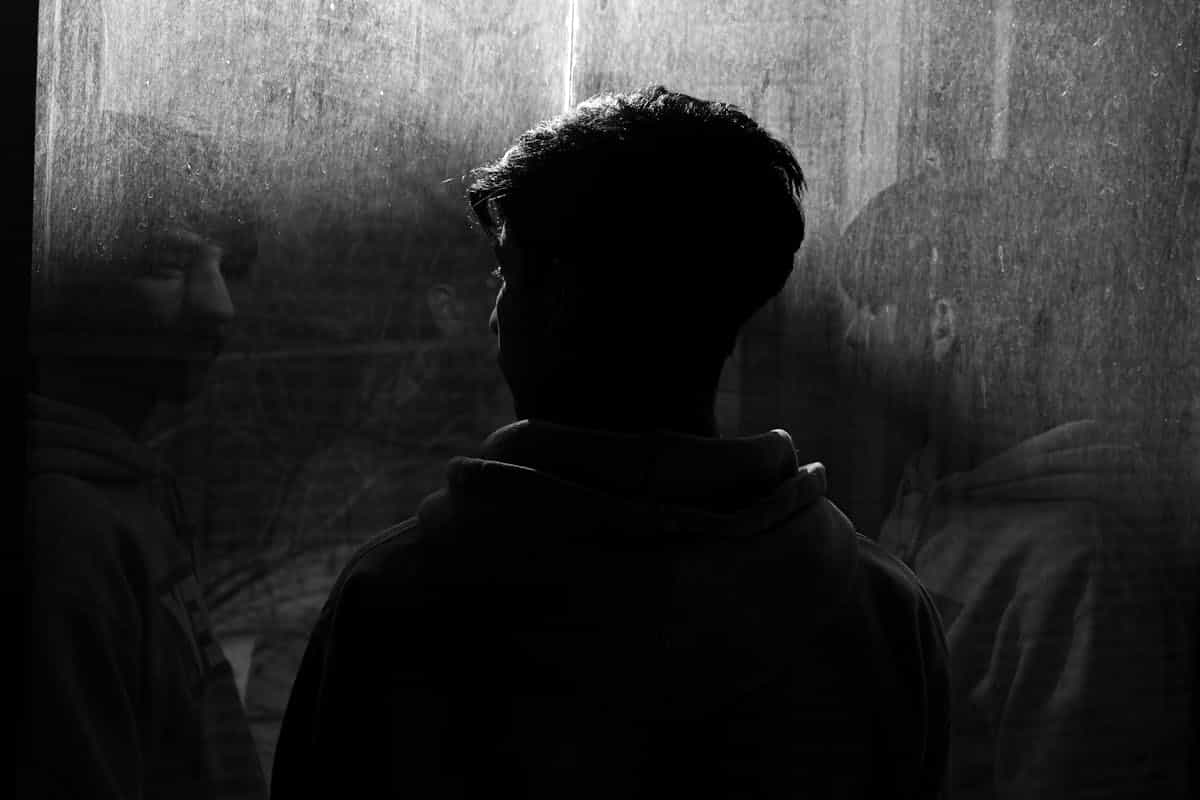
These are psychoeducation—not individualized prescriptions:
- Hierarchical exposure journaling. Rank mirror tasks 0–10 distress; ascend weekly if spikes stay below agreed ceilings.
- Cognitive defusion. Separate story (“I unravel if I linger”) from momentary twitching physiology.
- Grounding interruptions. Feet pressure, tactile textures, auditory naming widen attention aperture when tunnel vision threatens.
- Parallel condition care. Nutritional stabilization, trauma processing, antidepressant augmentation when clinician judges benefit outweighs sedation tradeoffs.
- Social accountability gently applied. Trusted friend audible outside restroom door pacing timer builds safer scaffold than lone white-knuckle marathons initially.
Psychological terminology around phobia stresses graduated confrontation within tolerable arousal—not flooding chaos without consent. Respect cultural-spiritual practices if covering mirrors mourning kin—collaborate with elders or chaplains when ritual meaning conflicts with behavioural goals and negotiate bridges instead of mocking either side.
Broader phobia self-help themes from the same NHS resource echo confronting feared stimuli thoughtfully when you are medically cleared to try it.
When must you escalate toward therapy, psychiatric evaluation—or crisis care?
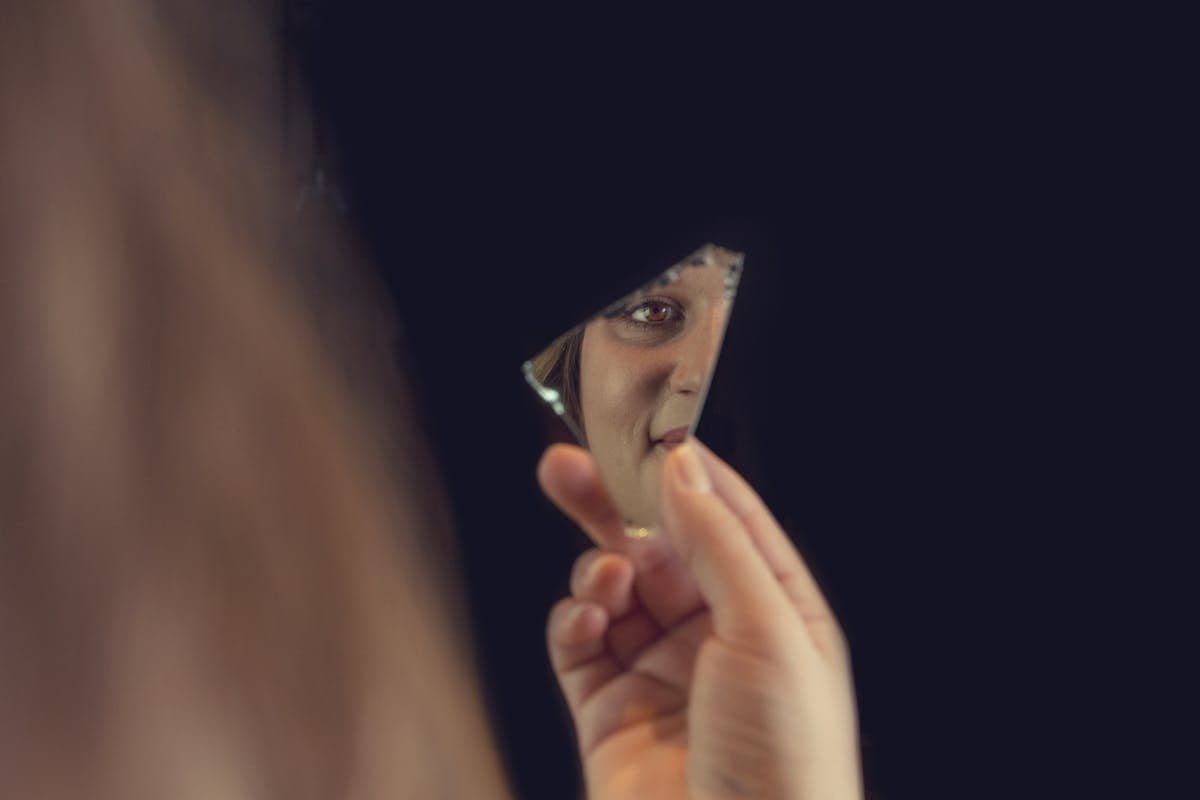
Escalate if mirrors block employment interviews, hygienic upkeep, roadway safety, intimacy, schooling; if suicidal ideation appears; substance reliance masks panic; obsessive mirror checking steals half your morning; dietary restriction couples with punitive mirror sentencing; PTSD flashbacks recur after trauma anniversary.
Seek licensed professionals—psychologists providing CBT/exposure variants, psychiatrists prescribing pharmacologic scaffolding, culturally competent chaplains brokering mourning customs with ERP schedules. Prefer therapists listing body dysmorphic disorder or OC-spectrum familiarity when rumination dominates.
Emergency lines apply if self-harm feels imminent—do not ration those calls.
Some fear spiritual betrayal seeking therapy—remind yourself modalities address nervous system encoding, rarely demand abandoning worldview wholesale.
What quiet shift ends this article responsibly?
Mirrors occupy an uncanny midpoint: technologically boring, culturally enchanted, psychologically luminous. Anxiety there does not indict vanity alone—it signifies your threat modeling learned faster than reassurance unlearns it—so repair targets learning rates: gentler timelines, truthful sensory samples, scaffolded bravery. Loving every selfie never becomes mandatory—freedom resembles walking past tempered glass noticing yourself without melodrama swallowing oxygen. Honour inherited taboos thoughtfully while upgrading coping skills whose evidence survived replication better than improvised hiding did.
Spiritual seriousness and scientific humility need not duel; each names different slices of mirror power: one mythic communion, another neuroplastic choreography. Stitch both threads honestly and reflections lose some needless menace—even if folklore whispers softly behind silver still.
This article is general information, not a diagnosis or treatment plan. For medical or mental health care, consult a qualified professional licensed in your jurisdiction.
Mirror FAQ
What is mirror anxiety?
Mirror anxiety is not one official diagnosis. Many people use the phrase for distress, dread, shame, or panic tied to mirrors or reflections. It can coexist with culturally learned taboos, generalized anxiety, body-image concerns, OCD fears, PTSD triggers, eating disorders, or a specific phobia such as excessive fear linked to reflective surfaces.
Is fear of mirrors a phobia or superstition?
They are different layers that can coincide. Superstitions are shared cultural stories about mirrors and spirits or luck. Ordinary worry can feel mild and situational. A phobia tends to involve intense fear disproportionate to real danger plus avoidance strong enough to disrupt routines. Only a clinician can tell you whether you meet diagnostic criteria.
What is eisoptrophobia versus catoptrophobia?
Terminology differs across dictionaries and lay articles. Labels such as eisoptrophobia, catoptrophobia, and spectrophobia all circulate to describe irrational fear centered on mirrors or reflections. Naming can help you communicate with clinicians, but treatment matters more than the exact suffix.
Why does avoiding mirrors make anxiety feel worse over time?
Avoidance teaches the nervous system that mirrors are unbearable threats. Exposure-based approaches—in careful steps—tend to reduce arousal faster than indefinite hiding because they refresh the faulty prediction inside your nervous system that catastrophe always follows a glance.
When should you seek professional help for mirror distress?
Seek help when avoidance blocks school, work, hygiene, relationships, driving, or when you fixate on flaws for hours daily, panic repeatedly, misuse substances to cope, or have thoughts about self-harm. A licensed therapist trained in cognitive behavioral approaches or trauma-informed exposure can personalize the pace.
Do cultural beliefs about mirrors cause psychological fear if you do not believe them?
Not always logically, yes emotionally. Mirrors pick up folklore about souls, mourning, vampires without reflections, portals, bad luck broken glass, night gazing—all of them real cultural layers even if physics stays ordinary. Anxiety can borrow those themes as metaphors once your stress system is aroused.
How is mirror anxiety linked to body image and dysmorphia research?
A 2024 paper in Behaviour Research and Therapy found that even people without suspected body dysmorphic disorder rated themselves less satisfied with appearance after deliberate mirror-focused gazing—that is one study only, yet it aligns with subjective reports many readers share.
What treatments do clinical sources recommend for intense phobia of mirrors or objects?
Gradual exposure is a frontline recommendation for specific phobia in authoritative clinical references, often alongside cognitive restructuring. Medicines do not erase phobia but clinicians sometimes prescribe them for disabling anxiety while therapy proceeds. Meditation and broader stress lowering can blunt panic susceptibility.