Mirror as Portal Spiritual Meaning: Mythology, Folklore, and Threshold Beliefs
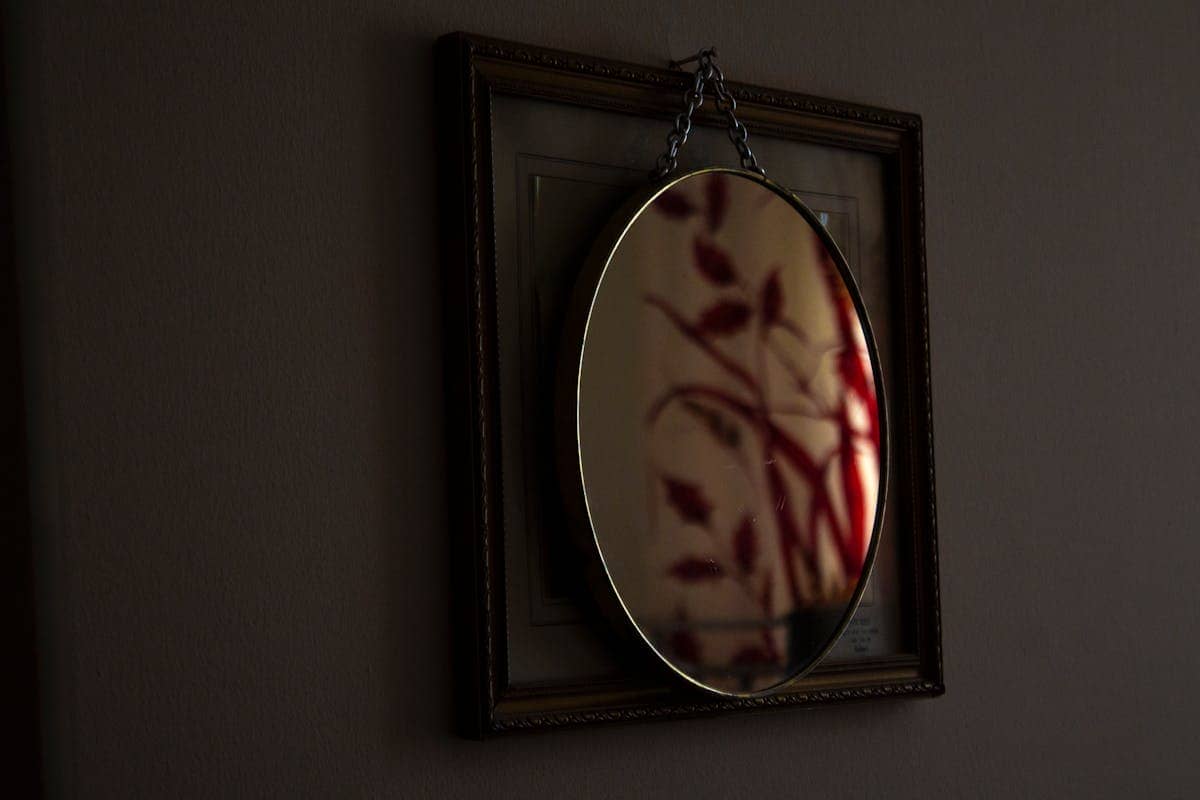
Spiritually, calling a mirror a portal usually names a threshold metaphor—the reflective plane where waking identity meets doubles, omens, ancestors, or imagination—not a laboratory-tested doorway you can step through like fiction. Mirrors obey reflection optics while humans overlay centuries of soul-talk, scarcity economics, and grief choreography onto the same sheet of glass.
Why Does Reflective Glass Feel Like a Boundary Between Worlds?
Long before vacuum-aluminized mirrors became ordinary hardware store stock, rulers handled bronze disks polished until faces shimmered like trapped sunlight. Canonical timelines place earliest polished obsidian mirrors near 6000 BCE Anatolia and copper mirrors across Egypt and Mesopotamia toward 3100–2900 BCE, anchoring how luxurious—and therefore symbolically expensive—accurate likeness felt when most people never saw a steady full-face image at will. Venice later dominated tin-mercury silvering long enough that trade secrecy myths—including grim rumors aimed at defecting artisans—turned mirrors into luxury geopolitics, not only vanities.
Three recurring motifs crystallize portal language:
- Threshold grammar — Doors divide rooms; mirrors divide embodied viewer from mirrored twin you cannot physically shake hands with yet who mimics breath timing eerily well.
- Soul fragments or doubles — Greek, Roman, Chinese, and countless Indigenous cosmologies debated whether reflections participated in life-force or merely borrowed photons; breakage narratives punish clumsiness partly because replacing elite metal once bankrupted households before factory plate glass collapsed prices in the late nineteenth century—exact decades when seven-year bad-luck punchlines metastasized alongside cheaper breakage rates.
- Reversed handedness — Optically mirrors flip front-back while brains narrate left-right swap; storytellers spin inversion into upside-down kingdom logic—see Carroll below—because ambiguity invites metaphor faster than ray diagrams invite bedtime tales.
For traditions worried about souls lingering near reflective planes rather than literal corridors, the companion guide Can mirrors trap souls or spirits? separates archaeological beliefs from modern paranormal headline inflation without ridiculing mourners who still cover glass.
How Did Literature Turn Mirrors Into Crossable Gates?
Stories encode anxieties faster than theology textbooks update footnotes. Lewis Carroll shipped mirror-crossing into mass imagination when Alice climbs through parlor glass into chessboard absurdism—fiction advertising reversal grammar rather than séance physics (Through the Looking-Glass). European fairy tales meanwhile weaponized mirrors as knowledge windows: Snow White queens interrogate polished panels like insecure dashboards before smartphones existed; medieval manuscripts preserved mirror-oracle motifs overlapping documented historical practices grouped today under catoptromancy.
Sleepover games recycle identical scaffolding—dim bathroom fluorescents, rhythmic chanting, adolescent dare hormones—because folklore trains humans to treat reflective rectangles as experimental interfaces between curiosity and fright. Treat those rituals as peer-pressure theater documented by folklorists rather than guaranteed spectral subpoenas.
What Do Slavic and Eastern European Traditions Mean by Worlds Behind the Glass?
Anthologists exporting nineteenth-century Russian, Ukrainian, Baltic, and Polish collections emphasized midnight mirror taboos—covering sheets before sleep, angling frames away from pillows, whispered cautions about wandering doubles—because rural electrification lagged and lamp flicker recruited pareidolia without TikTok filters. Practically, covering mirrors after bereavement overlaps unrelated households worldwide; spiritually, Slavic narrators sometimes literalized spirit highways behind polished planes rather than interpreting sorrow jitters alone.
These tales converge tonally with broader European anxieties yet deserve localized nuance instead of flattening every grandmother anecdote into identical Hollywood beats.
How Do Feng Shui and Vastu Describe Mirrors as Moving Energy?
East Asian spatial arts seldom narrate mirrors like horror portals aimed at teenagers; instead masters discuss qi redirection—amplifying dining abundance by doubling feast tables, bouncing daylight through courtyard houses, or allegedly bouncing blessings away when entryway mirrors face outward improperly. Vastu interpreters likewise choreograph cardinal directions so reflective expansions harmonize morning light rather than destabilize sleeping zones.
Symbolic architecture differs from HVAC manuals yet honestly describes why believers hesitate before mounting floor-length panels opposite mattresses—rest feels vulnerable when eyelids reopen into unexpected motion cues. Night-focused behavioral science overlaps here with cultural caution without forcing either vocabulary to swallow the other wholesale (mirrors at night—rules vs perception).
What Do Contemporary Mystics Mean When They Call Mirrors Active Portals?
Modern esoteric circles remix antique catoptromancy with Jungian shadow vocabulary and mindfulness-era interior design. Practitioners describe manufactured thin places—surfaces where intention supposedly convenes guides—bundling scrying focus, ancestor devotion, or imaginative astral staging depending on lineage ethics. Honest teachers stress containment: candles supervised, trauma-aware pacing, willingness to abort sessions when dissociation spikes.
Readers blending ceremonial curiosity with skeptical auditing may appreciate how black-mirror scrying lineages emphasize disciplined framing rather than random viral challenges—the technique overlaps mechanically with portal metaphors while stressing containment journals and sober pacing rather than adrenaline bids alone.
What Signs Do Believers Watch For When Mirrors Feel Too Alive?
Lists circulate online—localized cold spots, pets staring, insomnia beside dresser mirrors—mixing atmospheric intuition with selective attention bias. Cross-check anxious readings against mundane explanations first: HVAC drafts, vibrating freight trains, LED PWM flicker annoying mammal vision, relationship stress tightening jaw muscles until reflections feel accusatory.
Still, comparative religion classrooms catalogue recurring motifs because bereavement plus prolonged darkness routinely reshapes domestic mood regardless of metaphysics grades.
How Do Traditions Symbolically Close or Seal Mirror Thresholds?

Covering glass with breathable cloth, ethically sourced smoke paired with open windows, spoken boundaries, salt bowls stationed respectfully away from corroding silver backing—the toolkit repeats across diasporas because embodied ritual signals psychological closure even when spectrometers detect only soot particles settling on silica.
Physical maintenance pairs naturally with symbolic resets; wash fingerprints before waving incense so symbolism rests on hygiene honesty rather than theatrical grime alone—smoke needs airflow, coarse salt can scar gilt frames, and secondhand glass deserves inspection before any flourish gets layered on top.
Why Does Neuroscience Also Describe Mirrors Feeling Door-Like?
Laboratories documenting strange-face illusions under subdued illumination align eerily with midnight testimonials yet require zero paranormal ledger entries—fixation fatigues contour detectors while Troxler fading softens peripheral décor until swaying shadows imply motion. Dissociation-prone observers sometimes interpret benign drift as visitation; clinicians therefore caution heavy mirror-gazing during untreated psychosis spikes—not because glass is evil but because sensory loops overload fragile inference engines.
Honest pluralism keeps believers spiritually fluent without forcing skeptics to pretend optics ceased existing once incense smoke curls upward.
Where Should Readers Go Next Without Falling Into Panic Spirals?
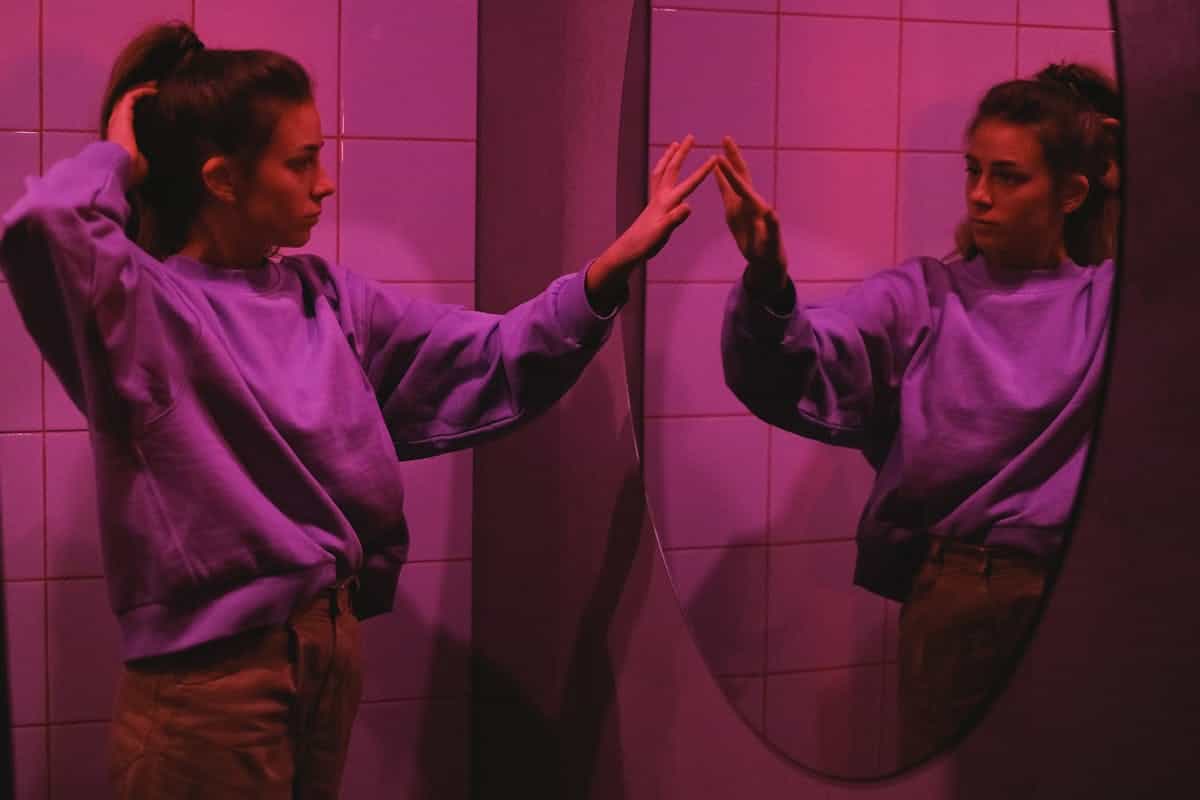
Portal vocabulary survives because mirrors compress identity drama into portable rectangles everyone recognizes—yet identical rectangles hang harmlessly inside billions of bathrooms nightly. Hold mythology, mourning etiquette, spatial arts, and perceptual science as parallel subtitles rather than warring verdicts; borrow whichever dialect keeps you compassionate toward grieving relatives and truthful toward teenagers testing courage after midnight.
Whenever viral reels insist glass—not grief timing or sleep debt—must shoulder full blame for household unease alone, widen the frame using mirror superstitions encyclopedia: beliefs and folklore worldwide.
Mirrors still flip photons the same way telescopes clock distant galaxies—threshold poetry layered atop physics explains why humanity refuses to treat reflections as mere detergent commercials forever.
Mirror FAQ
Are mirrors literal portals to other dimensions in folklore and spirituality?
Different traditions answer differently. Some describe mirrors as channels or thresholds where souls, ancestors, or spirits cross metaphorically; others treat prolonged staring plus expectation as producing visionary imagery inside perception itself. Almost nobody cites repeatable laboratory teleportation through domestic vanity mirrors—that distinction belongs to literal sci‑fi, not documented comparative religion.
Where did mirror-portal symbolism originate historically?
Thread runs wide rather than single-city patents: reflective metals and standing water appeared alongside burial optics from Bronze Age elites onward; Roman-era discomfort linked likeness breakage with ominous luck centuries before Victorian mourning etiquette amplified mirrored mourning rituals across northern Europe and diaspora kitchens alike.
What does Feng Shui say about mirrors behaving like energetic gateways?
Many interpreters describe mirrored Qi redirection rather than horror-film portals—doubling beneficial scenes or scattering harsh angles—yet bedrooms facing mirrors remain debated because sleep vulnerability invites symbolic boundary anxiety parallel to Slavic night lore without demanding identical myths.
Why do Slavic folktales emphasize worlds behind glass at midnight?
Late-night quiet amplifies peripheral shimmer while cortisol dips; storytellers literalized liminality—between dates, sun cycles, wakefulness—into reflective surfaces already coded as soul doubles for centuries as literacy romanticized peasant caution once anthologists exported chapters abroad.
Does Lewis Carroll Through the Looking-Glass influence modern portal language?
Victorian audiences learned playful inversion vocabulary—mirrored chessboards and reversed causality—that later horror mash-ups remix with séance photography plus cinema jump-scares; Carroll documented imaginative crossing, not doctrine about spectral biology.
How does psychology explain mirrors feeling uncanny without demons?
Stable fixation plus dim illumination recruits Troxler-type fading where peripheral texture dissolves while facial processors fatigue; strange-face reports emerge even among rested undergraduates when expectancy cues accompany darkness—documented separately from parapsychology grants.
Should people worried about mirror portals remove mirrors entirely?
If distress dominates sleep or obsessive ritual erupts, pragmatic interventions—re-angling glass, covering temporarily while grieving, brighter hallway bulbs, counseling—often outperform metaphysical panic because tangible ergonomics still beat ideological purity contests inside apartments.
How is portal language related to soul-trapping beliefs about mirrors?
Both metaphors extend anxieties about doubles persisting after bodily death; overlapping motifs surface when mourning customs pause vanity yet mirrors remain physically present—see adjacent discussion on souls and reflective lore without collapsing every culture into identical headlines.