Can Mirrors Trap Souls? Ancient Beliefs and Honest Evidence
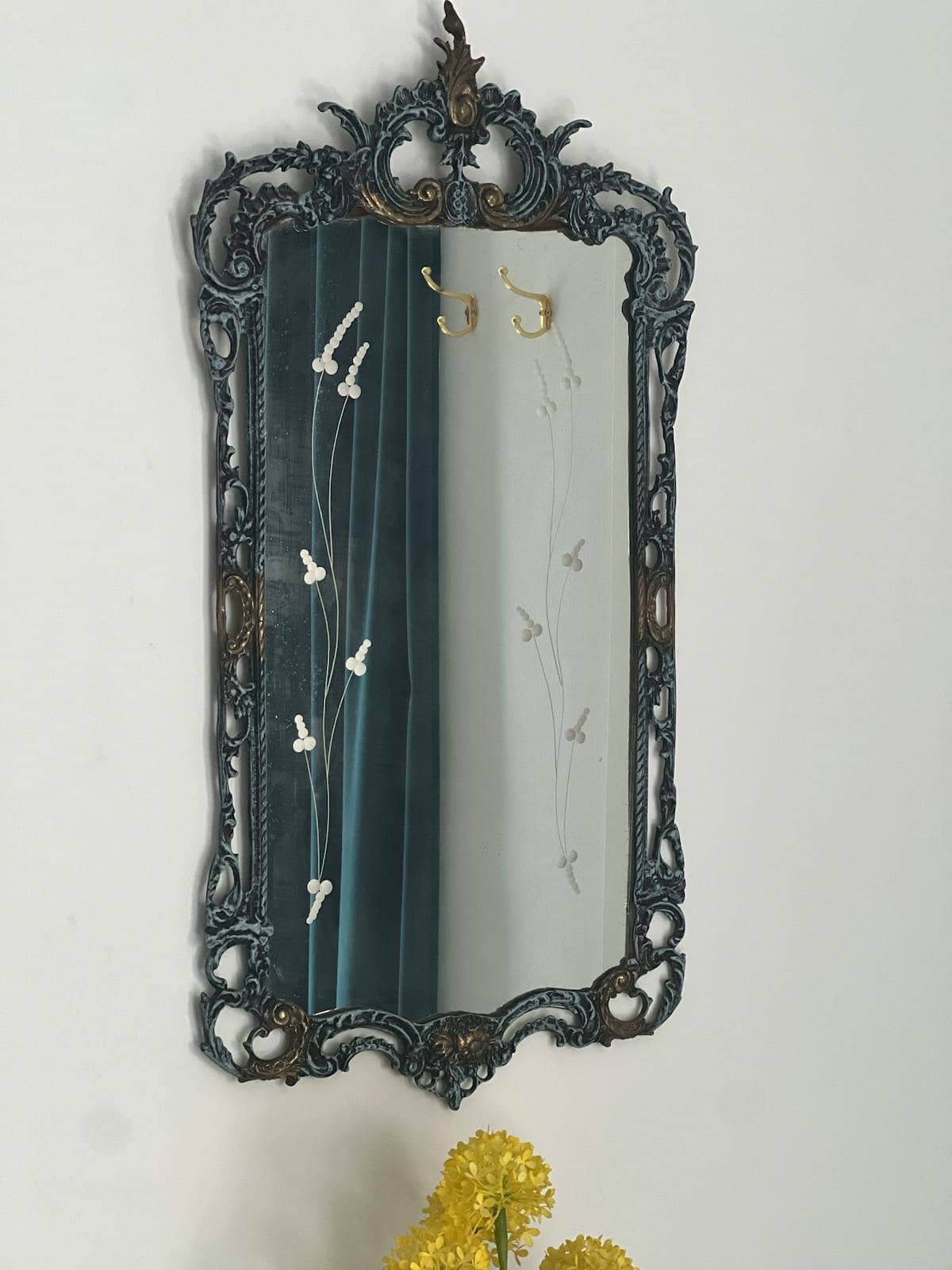
Can mirrors trap souls or spirits in any physically demonstrated sense? No empirical method has ever detected a separable soul-essence inside reflective glass or shown that it can be “held” there. What is real, well-attested, and worth taking seriously is the historical pattern: across centuries, people treated mirrors and still water as thresholds—places where identity, death, and the unseen were thought to interact—and those fears and rituals shaped real behaviour you can still find in folklore, funerals, and mirror superstition encyclopedias today.
If you grew up hearing that a reflection is “more than physics,” you are not imagining a fringe-only idea. The belief that a mirror participates in the self—not merely shows it—shows up in Roman lore, Victorian parlour culture, South Asian layout advice, and Indigenous teachings about water and vision. The fair move is to separate three layers: what texts and ethnography record as believed, what communities still practice, and what instruments can measure. None of that requires sneering at grief or awe; clarity is a form of respect.
Where Did the “Soul in the Glass” Idea Come From?
One story you will see repeated online ties broken mirrors to seven years of misfortune and “a piece of soul” trapped in shards. The Roman lineage is well established in cultural history writing: Romans associated reflective surfaces with vitality and selfhood; damage could be read as harm to the life-force reflected there. That metaphor hardened later, especially once mirrors became household objects rather than rare luxury goods in the late 1800s—when a broken pane was expensive enough to sting, and when folklore anthologies loved tidy numbers.
That origin story matters because it explains why identical glass can carry opposite meanings elsewhere. Some Indian traditions treat a broken mirror as auspicious—an energy release rather than a theft of self—which is a useful reminder that no culture owns the mirror’s moral. The object is stable; the stories are not.
Mesopotamian Bowls, Bronze, and Boundaries
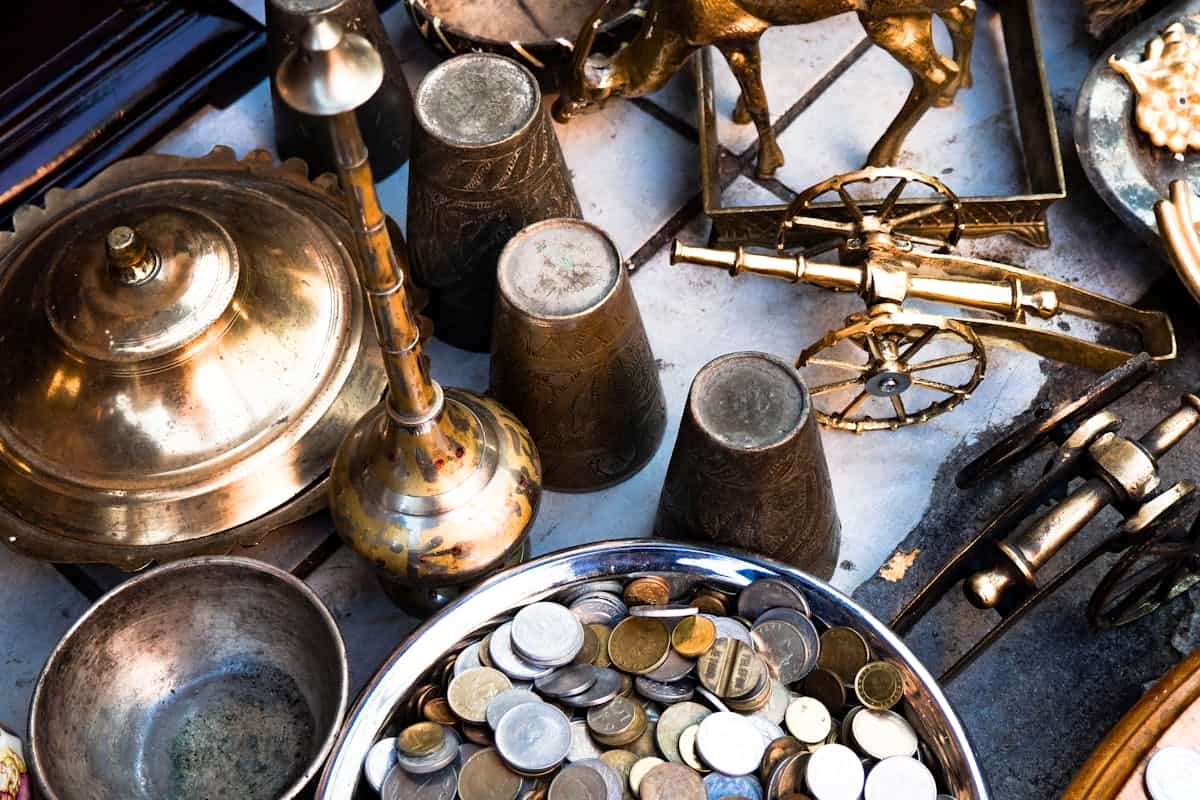
Talking about “Mesopotamia” as one block is already too coarse. Over millennia, Babylonian and Assyrian ritual specialists inscribed incantation bowls, buried them at thresholds, and built verbal fences around feared forces. Polished bronze mirrors belonged to elites and ritual display—reflective metal carried prestige long before silvered glass.
What you can say responsibly is narrower than a horror-film premise but more interesting than a shrug: specialists in those societies treated words, images, and bounded spaces as active protections. Incantation bowls often invoked named powers and drew apotropaic rings—a technology of language plus clay—while bronze plates and mirrors signalled courtly splendour and ritual attention. A mirror in that world was not mass-market décor; it was wealth, craft, and a surface that could stage identity for viewers who already granted images serious agency. Connecting any single artefact to “trapping souls” verbatim is modern synthesis, not one cuneiform headline—but the emotional grammar rhymes with later Europe: dangerous crossings need rules, and reflective prestige makes an obvious metaphor when you are trying to anchor fear in something expensive and intimate.
Victorian Parlours, Mourning, and the Fear of a Last Image
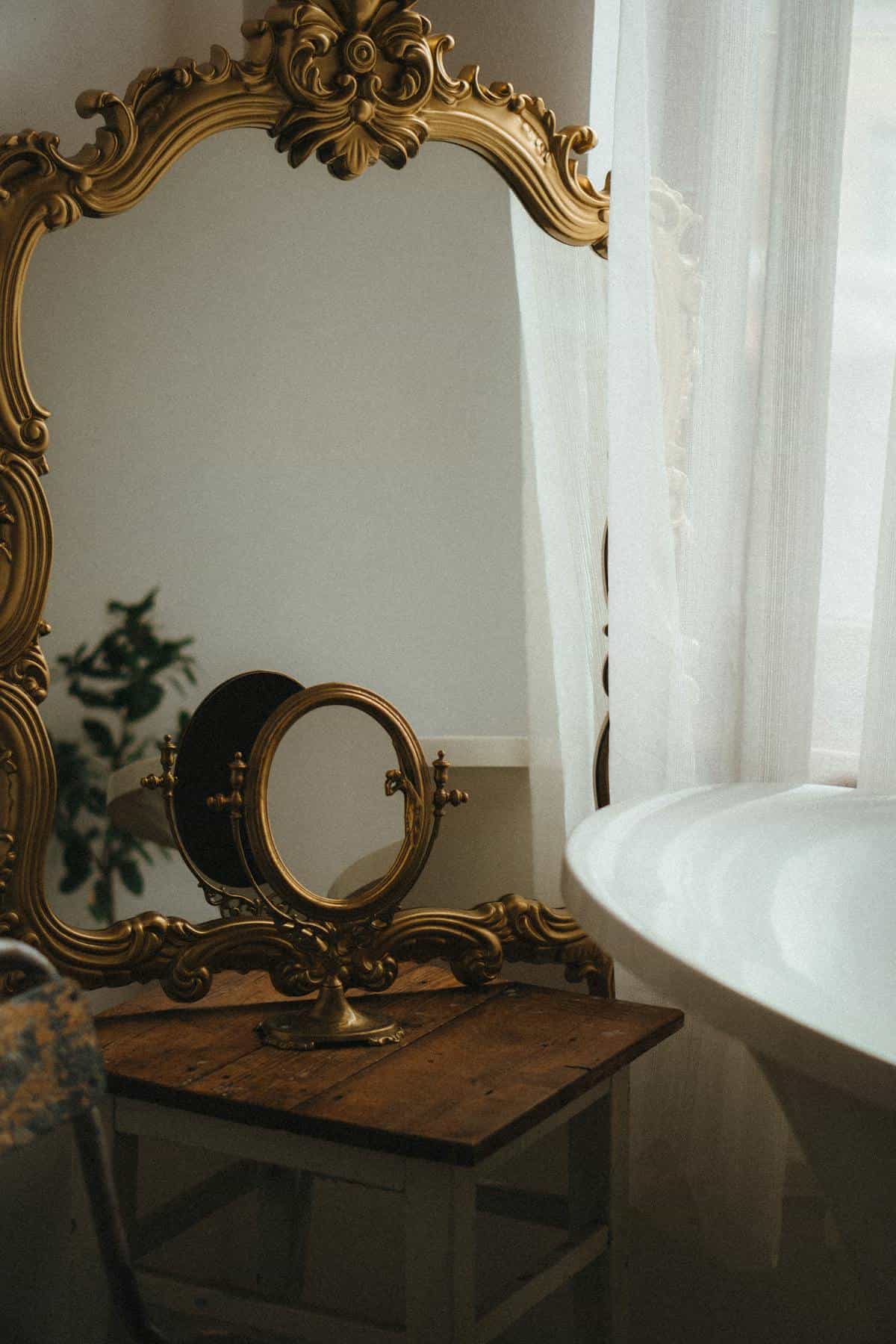
Victorian Britain and North America layered photography, spiritualism, and sentimental death culture onto older mirror anxieties. Cheap print carried séance instructions into middling homes; postmortem photography tried to hold a face steady at precisely the moment presence felt most fragile. Séance manuals and newspapers recycled the idea that boundaries thinned after a death. Covering mirrors was reported in Anglophone folklore as a precaution against the dead “getting stuck,” the living being snared by an unkind likeness, or simply being distracted by vanity when grief demanded undivided attention. Informants rarely offered laboratory-grade reasons; they offered etiquette that felt protective. Sources vary; sincerity does not.
The point for this topic is structural, not melodramatic: when the newly dead were photographed and when mirrors hung in every respectable hall, the reflective surface inherited double duty—as a portrait machine and a social clue that likeness and life had been uncoupled. Night-time mirror taboos inherit some of that atmosphere even today. For a longer arc on how mirrors mediate selfhood across philosophy and practice, see mirrors, mind, and soul.
Vastu and the Mirror as Energy Doubler, Not a Soul Dungeon
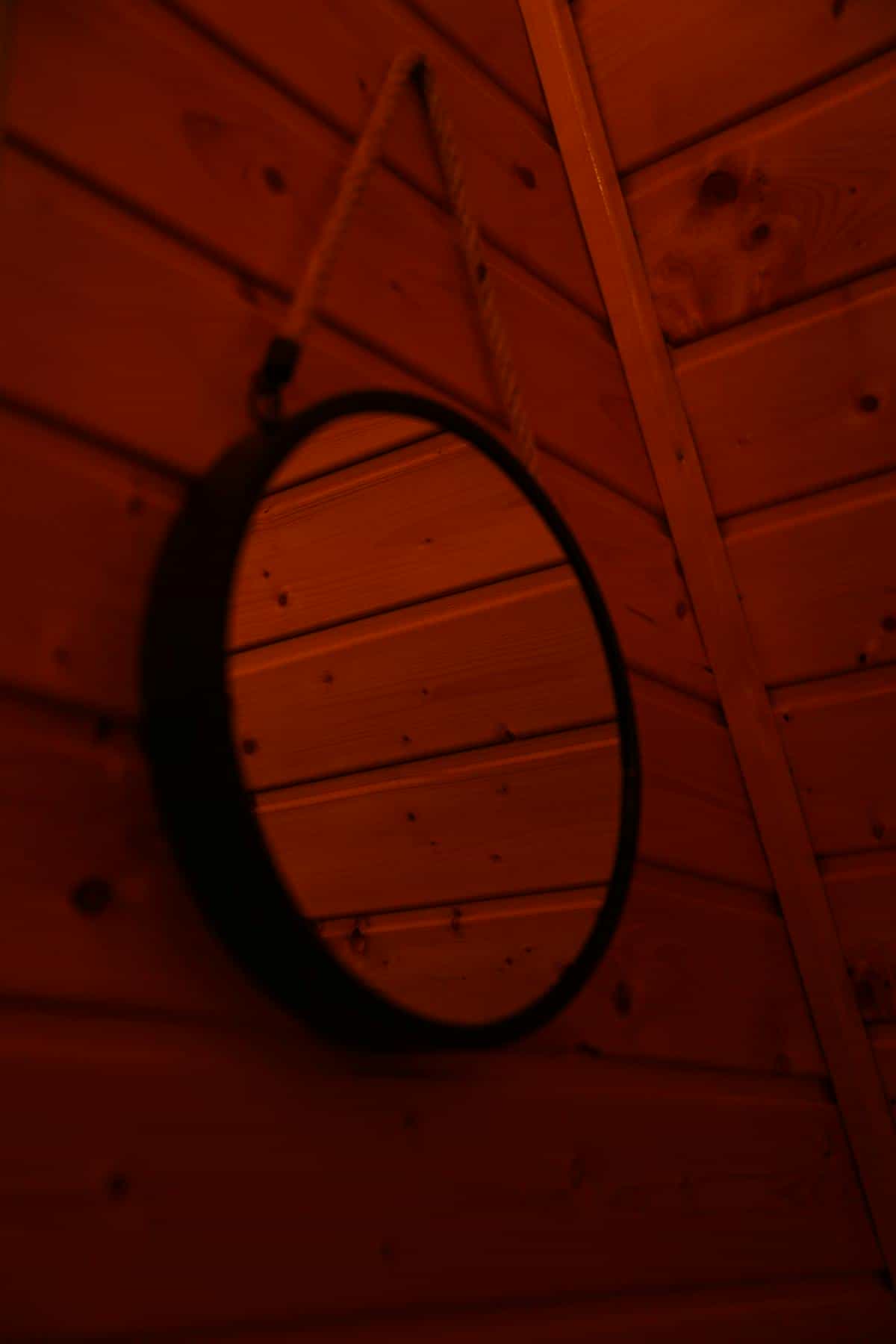
Contemporary Vastu guides—adapted for apartments worldwide—often treat mirrors as amplifiers. A common popular rule warns against sleeping in front of a reflective pane because it doubles movement, couples’ tension, or external “cut” lines from doorways and corners. The vocabulary is energy, chi-like flow, and balance—not a laboratory model of particle entrapment.
Scholarly classical texts on vastu-śāstra discuss orientation, entrances, and spatial harmony in temple and town planning; modern mirror debates are partly classical lineage, partly folk minimalist yoga-magazine rules. Either way, the ethical summary stands: treat the teaching as a living practice people follow for peace of mind at home, not as a geological claim about glass cages.
Still Water, Vision, and Indigenous North American Contexts
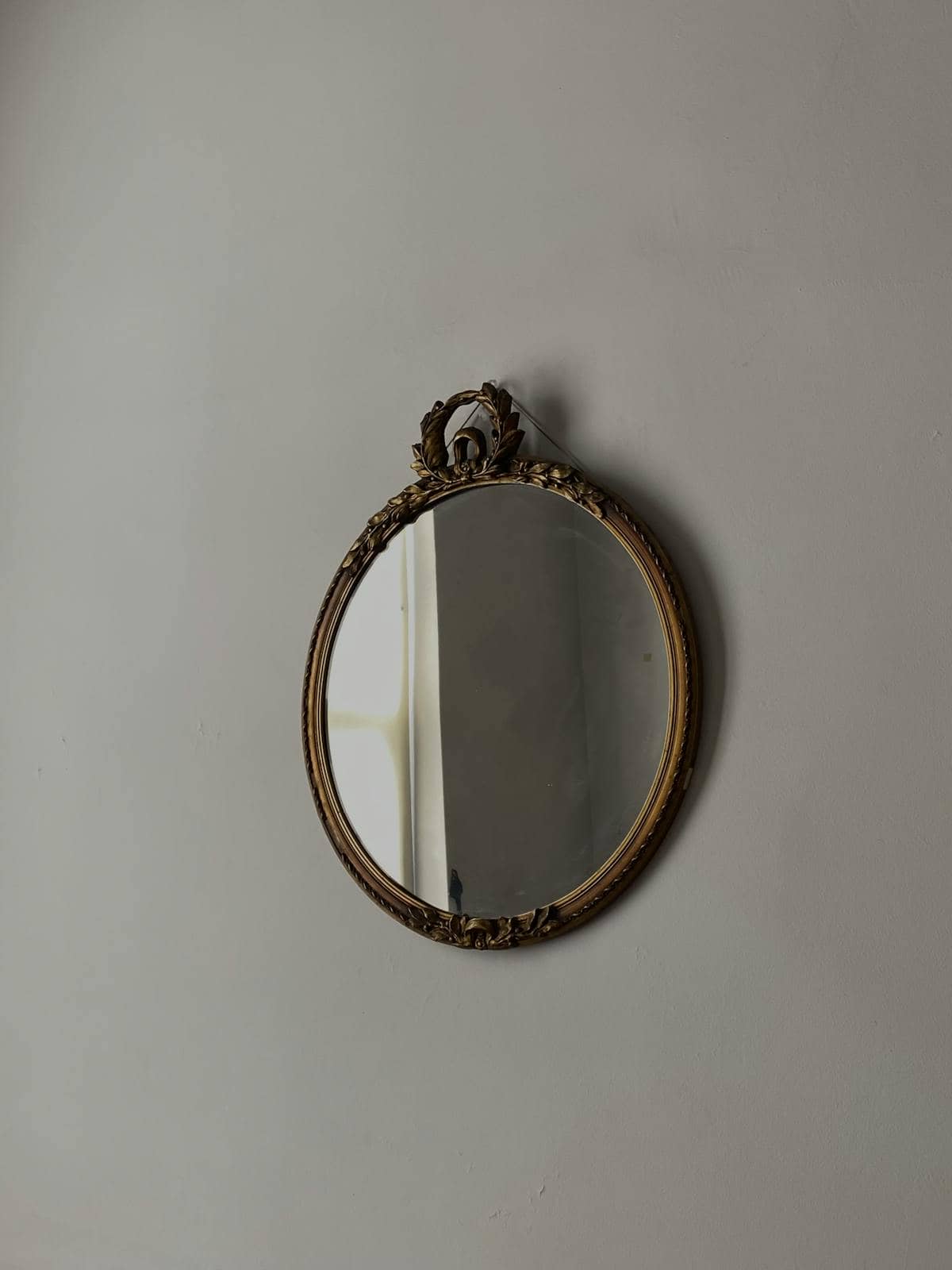
It is inappropriate to flatten hundreds of nations into one “Native belief.” A fair précis: across many Indigenous teachings, still water—lakes, springs, slow rivers—carries spiritual weight as a place of encounter, memory, and protocol-governed looking. Reflective water can be taught as a site where respectful behaviour matters, where visions are received, or where beings cross between layers of reality. Mirrors inherit part of that imaginative charge when communities translate older water discipline into modern glass life.
Useful bridge reading: hold water traditions as instructive parallels to mirror anxiety, not as proof of shared dogma. For readers who feel dread—not conviction—when glancing at reflective surfaces, the psychology side often overlaps with spiritual language; our guide to eisoptrophobia and mirror fear walks that line without forcing you to pick a cosmology on page one.
Catoptromancy: Mirrors Used On Purpose

Not every tradition worried about accidental trapping. Some used mirrors exactly because they were thresholds. Greek and Roman writers transmitted stories of mirror-divination—catoptromancy—where a reflective surface became the stage for glimpsing fate or diagnosis. The Wikipedia article collects classical references and later echoes; it is a handy anchor when you want primary-adjacent sourcing without turning the blog into a citation stack.
The practice sits alongside psychologically rich arts like scrying. Intention matters: the danger in folklore is often “improper use,” “unveiled reflection at the wrong hour,” or “a soul near transition,” whereas ritual frames aim to contain and direct attention.
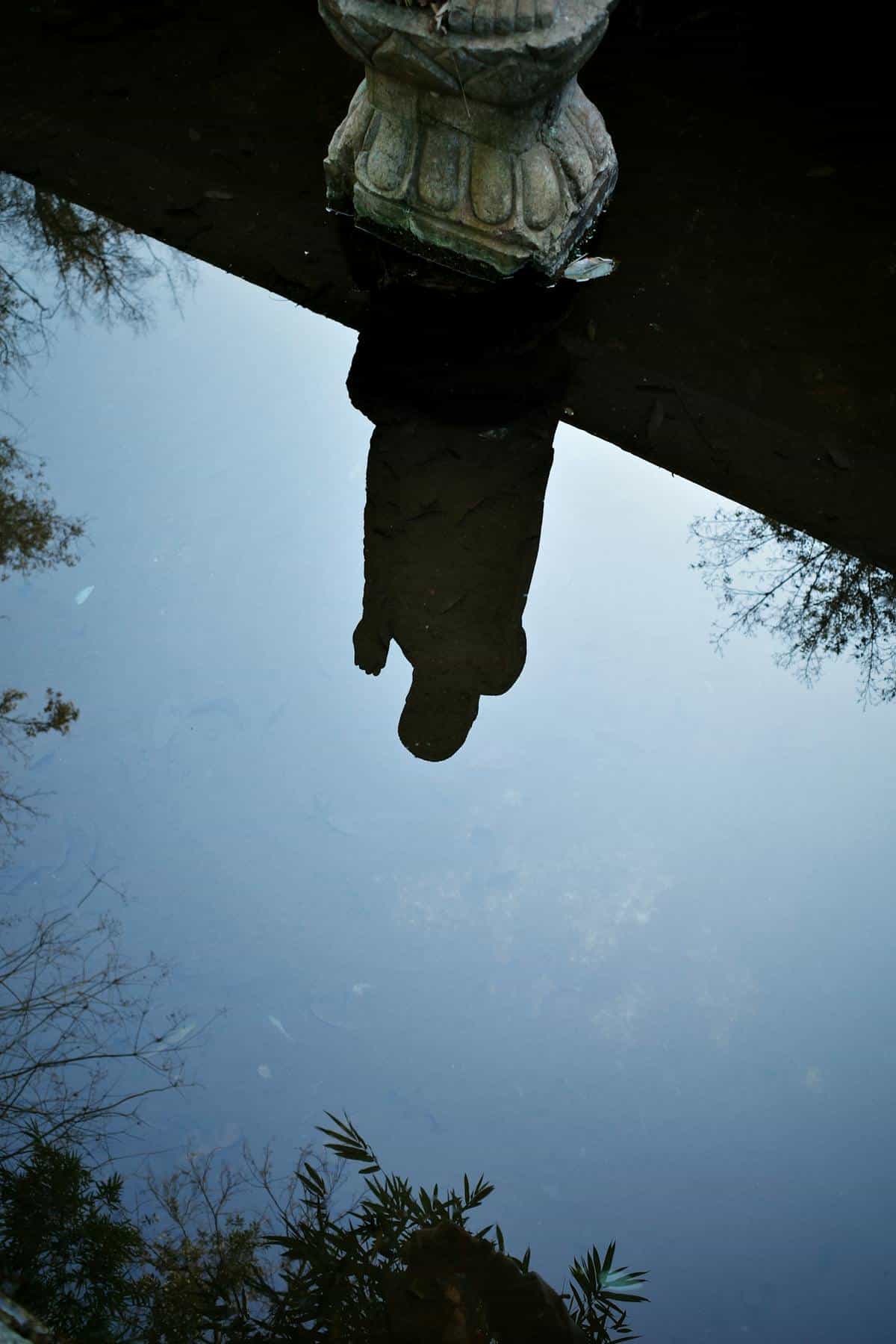
Shiva, Mirrors, and Mourning Etiquette
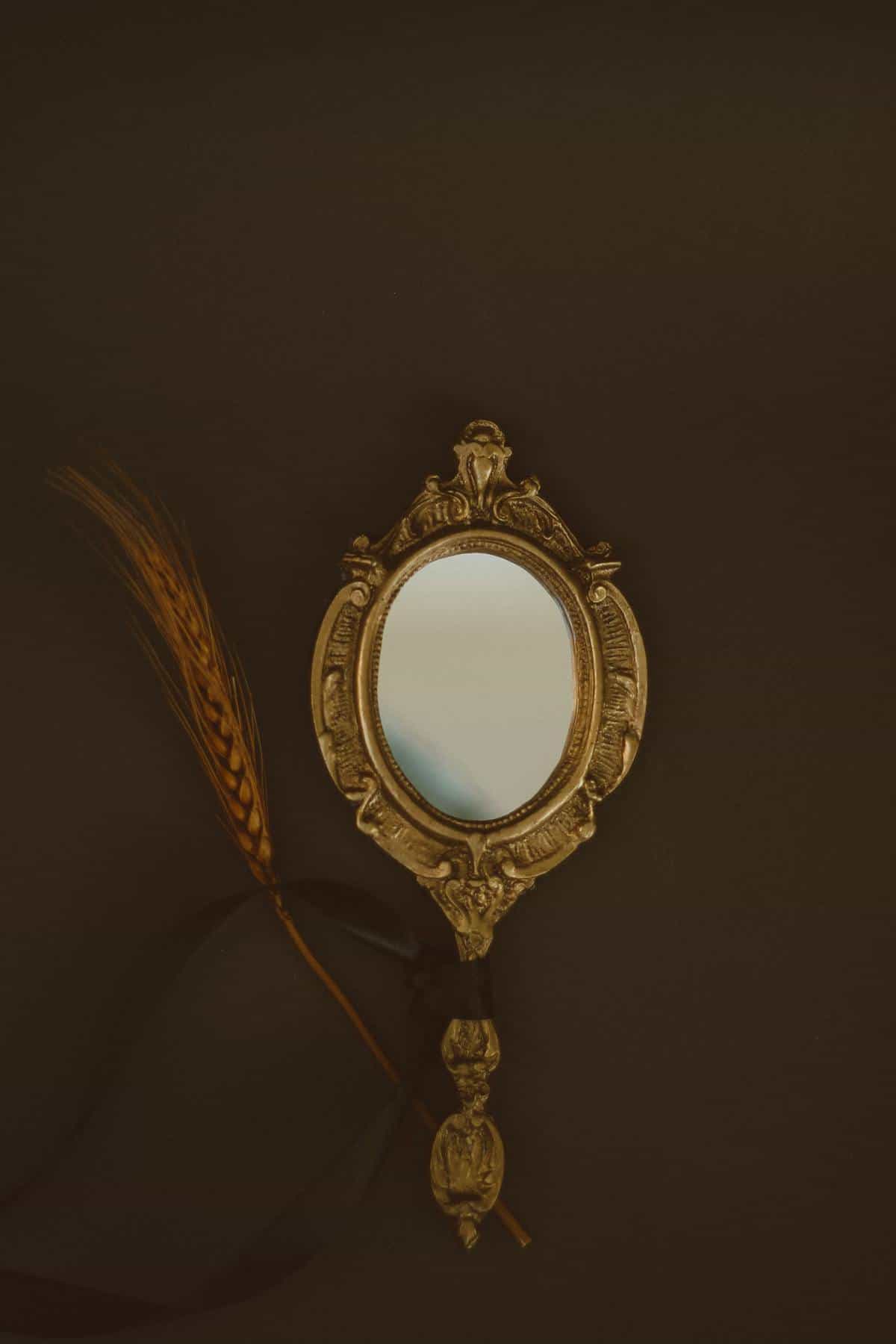
Jewish mourning practice is governed by halakha and communal custom; public explanations of shiva sometimes mention covered mirrors alongside low stools and torn garments. Wikipedia also summarises sitting shiva customs, including mirror-covering performed in many communities as part of reframing attention away from vanity while bereavement leads.
Scholars and rabbis debate the precise historical origins of each mourning gesture; the diversity of reasoning is exactly the point. Some emphasise symbolic removal of vanity; others preserve folk accounts about souls and images without insisting on a singular official doctrine. The respectful takeaway for this site: mirrors participate in mourning choreography across cultures for reasons that braid theology, emotion, and inherited habit—without proving a physics of soul-storage.
Evidence: What Instruments Can Actually Say

Physics is not a personality. A household mirror reflects photons according to smoothness and coating—aluminium on modern glass commonly returns roughly 88–92% of visible light; silvered surfaces can reach still higher reflectance in the visible band. None of that implies consciousness storage. Neuroscience likewise maps experience to brain processes; it does not locate an ectoplasmic duplicate inside furniture.
So where is the honesty without harshness? Simple: there is no instrument that has observed a soul to trap. That is an evidentiary statement, not an essay on your grandmother’s sincerity. People can hold transformative spiritual experiences near reflective surfaces while the mechanism remains culturally framed—exactly the distinction this site prefers.
Why the Belief Persists Even Without a Lab Sample
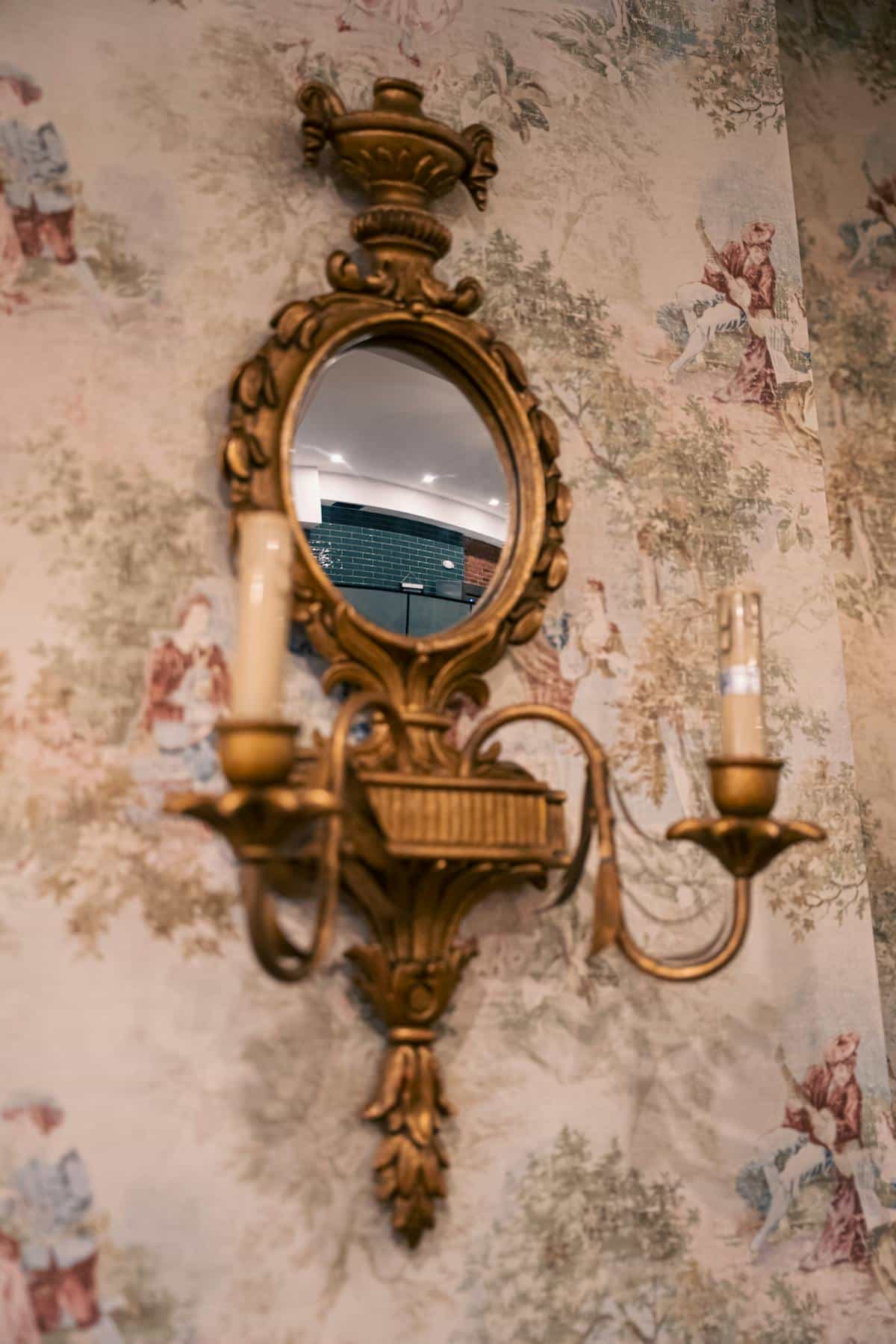
Mirrors engage self-recognition—humans typically learn mirror self-recognition around 15–18 months, a milestone so foundational that it reshapes identity across a lifetime. Add grief, sleep deprivation, dark hallways, and peripheral vision glitches, and the storytelling brain does what it evolved to do: impose narrative on ambiguity.
That is why “trap” language survives. It compresses a cluster of anxieties—vanity, finality, duplication, and the uncanny feeling that the face in the glass is both you and not you—into a single vivid verb. You do not have to accept the physics metaphor to recognise the emotional truth underneath. Communities also swap stories because they coordinate care: when everyone covers a glass after a loss, the house looks different, the children ask fewer questions about vanity, and grief gains a shared choreography even if metaphysics stays private.
The mirror has been called a portal, a thief, a messenger, and a mere object. Cultures disagreed on which label fit—sometimes all of them. If you are looking for permission to treat the soul-trap story either as meaningful metaphor or as debris from an anxious century, you already have it. The intellectually honest ground is modest: honour the histories, note the limits of measurement, and refuse the lazy extremes—credulity without context, skepticism without manners. The glass stays silent; the traditions speak loudly enough without rewriting physics around them.
Mirror FAQ
Is there scientific proof that mirrors can trap souls?
No measurable, repeatable experiment has shown that consciousness, personality, or a soul-substance can be confined inside a mirror. What exists in abundance is ethnographic and historical record: people in many eras sincerely believed reflective surfaces could retain an image, influence, or presence tied to a person—and they behaved accordingly.
Why did people cover mirrors after a death?
Reasons vary by community. In parts of Europe and the Americas, folk belief held that a soul might linger near its likeness or become confused by reflections during mourning. In Jewish practice, mirrors are often covered during shiva as part of a broader shift away from vanity while grief takes priority; other explanations have been offered within communities over time. The custom is cultural and religious context, not a single universal law about physics.
What is catoptromancy?
Catoptromancy is divination using mirrors or reflective surfaces—literally mirror-seeing as a ritual practice. It appears in Greek and Roman sources and later folklore. Wikipedia hosts a useful overview of how the practice was described historically, distinct from modern superstition memes.
Does Vastu say mirrors trap spirits?
Classical Vastu literature emphasises placement, balance, and flow of energy in space. Popular contemporary guides often warn against mirrors facing the bed or certain directions, sometimes explaining this in terms of energy doubling or disturbance. That is a design-and-belief framework, not a laboratory claim about souls inside glass.
Did ancient Mesopotamians use mirrors in magic?
Mesopotamian specialists produced polished metal mirrors and rich ritual culture—including incantation bowls and texts aimed at protection and boundary-making. Mirrors and reflective metals appear in ritual and prestige contexts. Modern shorthand that reduces the entire region to one uniform superstition is misleading; specifics depend on period and text.