Wood Mirror Frames: Styles, Finishes & Best Picks for Every Room

A wood frame is the difference between a mirror that looks like a fixture and one that looks like furniture. Metal and frameless mirrors reflect; a wood-framed mirror reflects and brings warmth, grain, and a sense of craft to the wall. Here is the short version first.
The best wood mirror frame matches three things to your room: the wood type (oak and walnut for durability and richness, pine for rustic warmth, teak for bathrooms), the finish (natural to show the grain, painted to match a palette), and the shape (round, oval, arched, or full-length). Size it to about two-thirds the width of the furniture below, and match the wood tone to the woods already in the room. That is the whole decision.
Wood works because it is the one frame material that is alive with variation — no two pieces of wood grain are identical, so a wood-framed mirror carries texture that a smooth metal frame never can. Here is how to choose one well, room by room.
Why a Wood-Framed Mirror Works
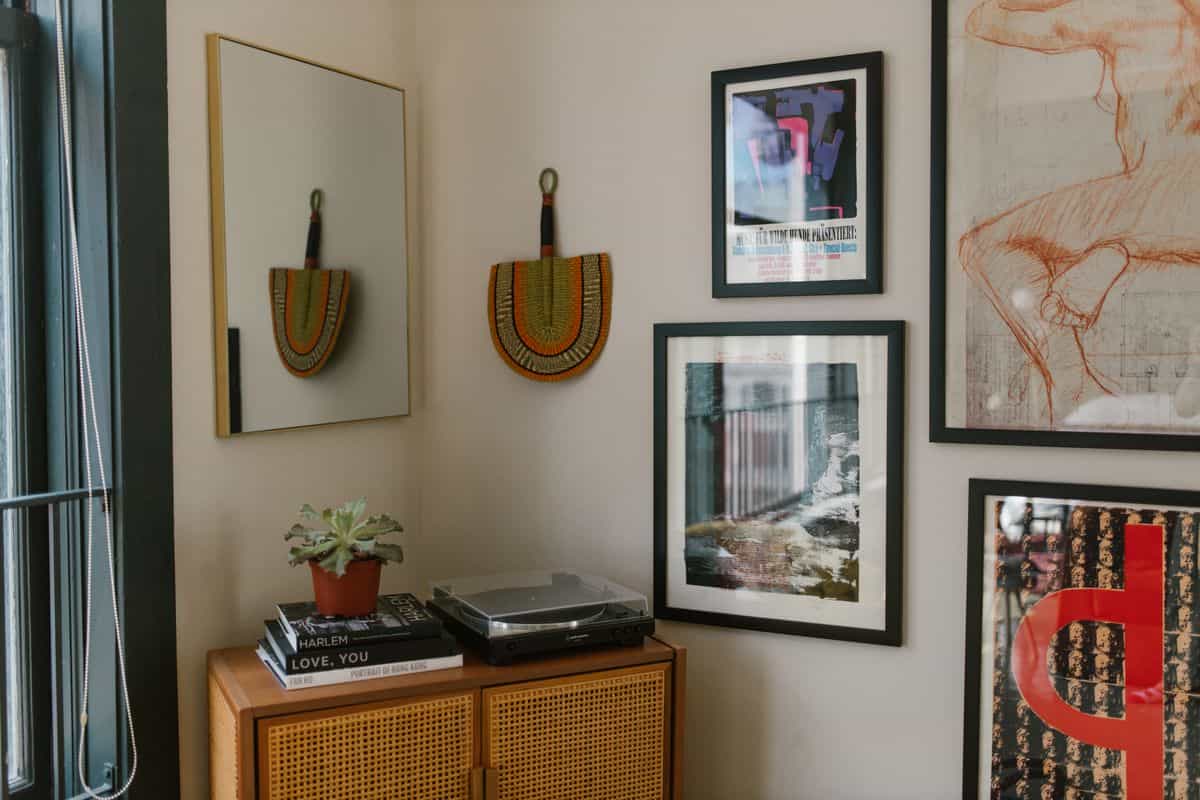
Most decor decisions are about adding warmth to hard, flat surfaces — and wood does that better than almost anything. A wood frame softens the cool, reflective glass of a mirror with something organic, so the mirror reads as part of a lived-in room rather than a slick add-on.
That is the real appeal, and it is worth saying plainly: a wood-framed mirror does the work twice. It bounces light like any mirror — a good silvered surface returns 95 to 99 percent of the light that hits it — and the frame adds the natural texture that keeps the room from feeling cold or clinical. Wood is also the most flexible frame material across styles: the same material reads rustic in reclaimed pine, modern in clean-lined walnut, and coastal in pale, weathered oak. Few other materials stretch that far.
The Main Wood Types: Oak, Walnut, Pine, and Teak
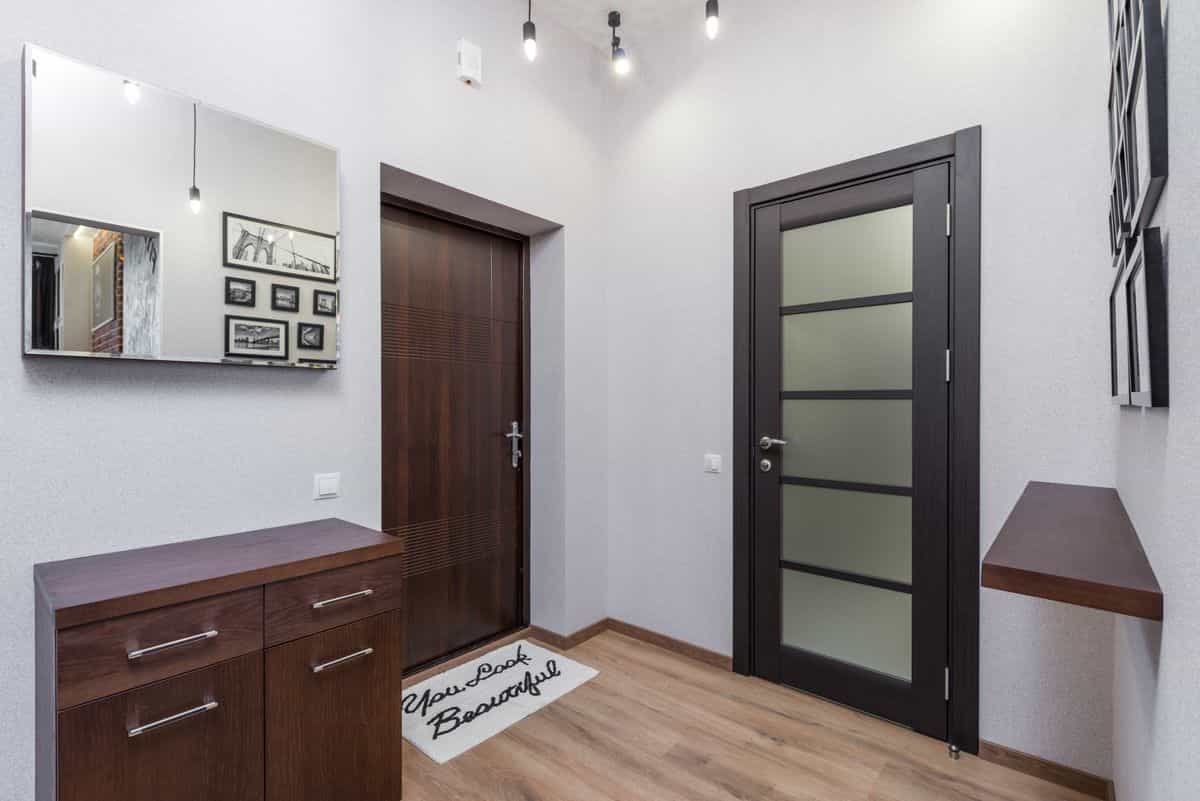
The wood itself changes the character of the frame more than anything else. Four come up again and again:
- Oak — durable, with a bold, open grain. The reliable all-rounder that suits most rooms and takes both light and dark finishes well.
- Walnut — rich, deep brown, with a fine grain that reads modern, warm, and a little luxurious. The choice when you want the wood to look expensive.
- Pine — light, affordable, and soft, with a casual grain that is ideal for a rustic wood mirror or a farmhouse look.
- Teak — naturally oil-rich and moisture-resistant, which makes it the standout for bathrooms and any damp room.
If you want a single rule: match the wood tone to the largest wood surface already in the room — the floor, the bed frame, the dining table — so the mirror reads as part of the scheme rather than a stray note.
Finishes: Natural, Light, Dark, or Painted
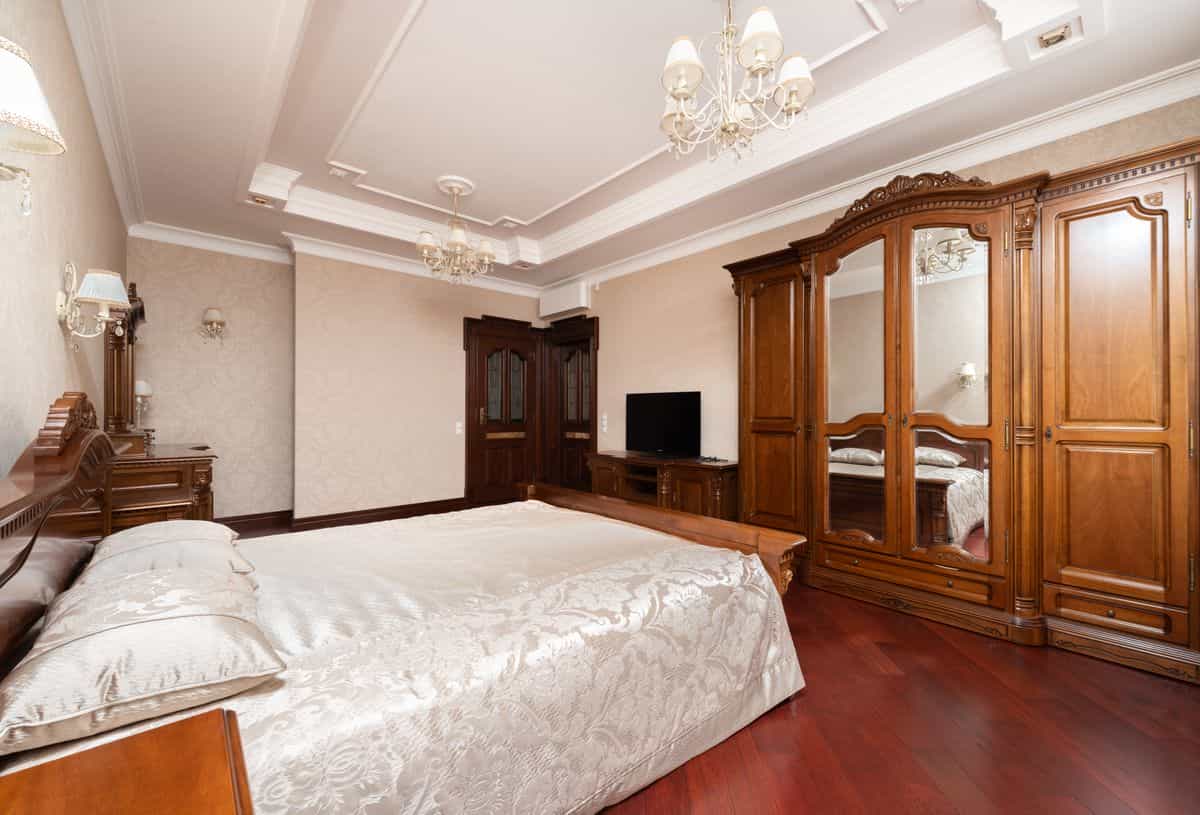
The finish decides how much of the wood you actually see. There are two broad camps, and the choice is genuinely about what you want the frame to do.
A natural wood mirror finish — stained, oiled, or simply sealed clear — shows the real grain and color. This is the choice when the wood is the feature, and it suits rustic, boho, Scandinavian, and modern-organic rooms. A painted frame hides the grain under color, which lets the mirror match a palette and read crisper and more contemporary. Within natural finishes, the tone matters too: light finishes (pale oak, whitewashed pine) brighten small rooms and pair with airy, neutral palettes, while dark finishes (walnut, espresso-stained oak) add contrast and depth against a light wall. The protective layer is not just cosmetic — a proper wood finish is what stops the frame from drying out, staining, or absorbing moisture, so it earns its place beyond looks.
Shapes: Round, Oval, Arched, and Wavy

Wood bends to almost any shape, which is part of why wood-framed mirrors come in such variety. The main four:
- A round wood mirror softens a room full of straight-edged furniture and is the friendliest shape for a gallery grouping. (For the full sizing playbook, see these round mirror decor ideas.)
- An oval wood mirror does the same softening job with a vertical stretch, which flatters a vanity or a narrow wall.
- An arched wood frame reads as architecture and works as a window-like statement — it overlaps with the broader arched mirror wall ideas.
- A wavy wood mirror — a scalloped or undulating edge — is the playful, contemporary-craft option that has become a favorite in boho and maximalist rooms.
The shape is a style decision; the wood and finish are what tie it to the room.
Full-Length and Standing Wood Mirrors
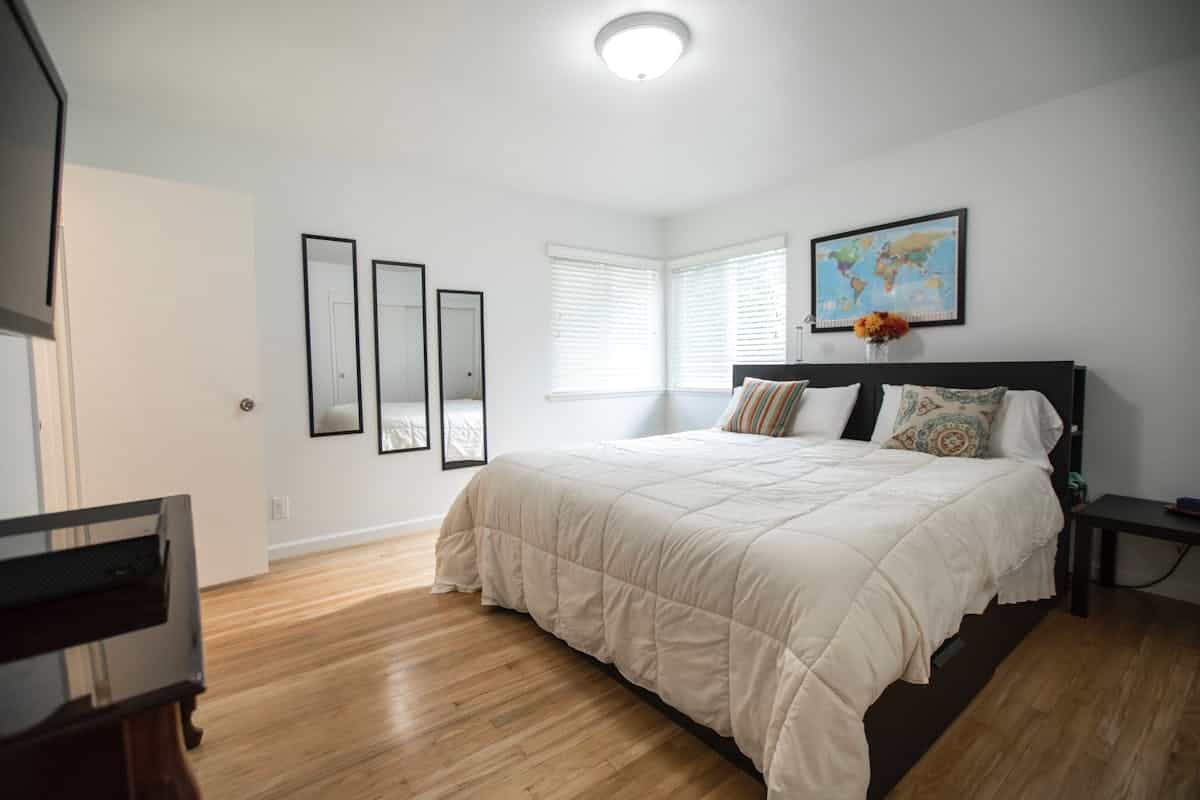
For a head-to-toe reflection with natural warmth, a wood mirror full length piece is hard to beat. A wood frame brings grain and softness to what would otherwise be a tall, cold sheet of glass, and it grounds the mirror in a bedroom or dressing area.
A true full length wood mirror should be at least 48 to 56 inches tall, and a wood standing mirror — leaning or on a cheval-style base — usually runs 65 to 76 inches. A wooden full length mirror leaning against a bedroom wall is one of the easiest ways to add both height and warmth to the room. The leaning option is the most forgiving: no studs to find for the main weight, and you can re-angle it for the best light. The one non-negotiable is safety — a tall standing mirror must be strapped or bracketed to the wall so it cannot tip, especially around children or pets. For the wider buying guide on sizes and glass quality, see the full length mirror breakdown.
Wood Mirrors Room by Room
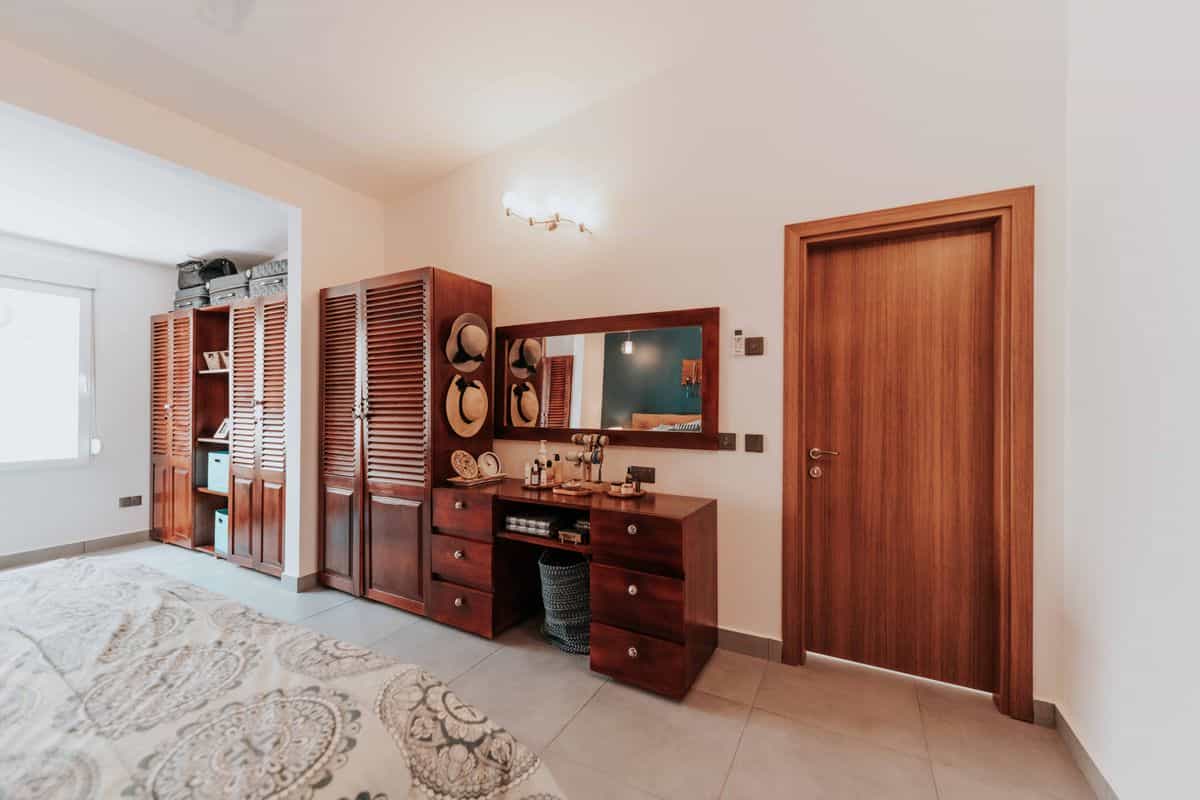
A wood-framed mirror earns its place differently in each room:
- Living room — hang one above a console or across from a window to add depth and catch daylight. A warm wood frame stops a big mirror from feeling cold against the sofa.
- Bedroom — a wood mirror full length over a dresser or leaning in a corner softens the furniture and gives you an outfit check.
- Entryway — a wood-framed mirror by the door bounces light into a dark spot and grounds the first impression of the home.
- Dining room — a large wood mirror reflects the table and any light source, making the room feel larger.
Match the frame's wood tone to that room's existing woods, and the mirror will read as if it was always meant to be there.
Wood in the Bathroom: Humidity and Teak
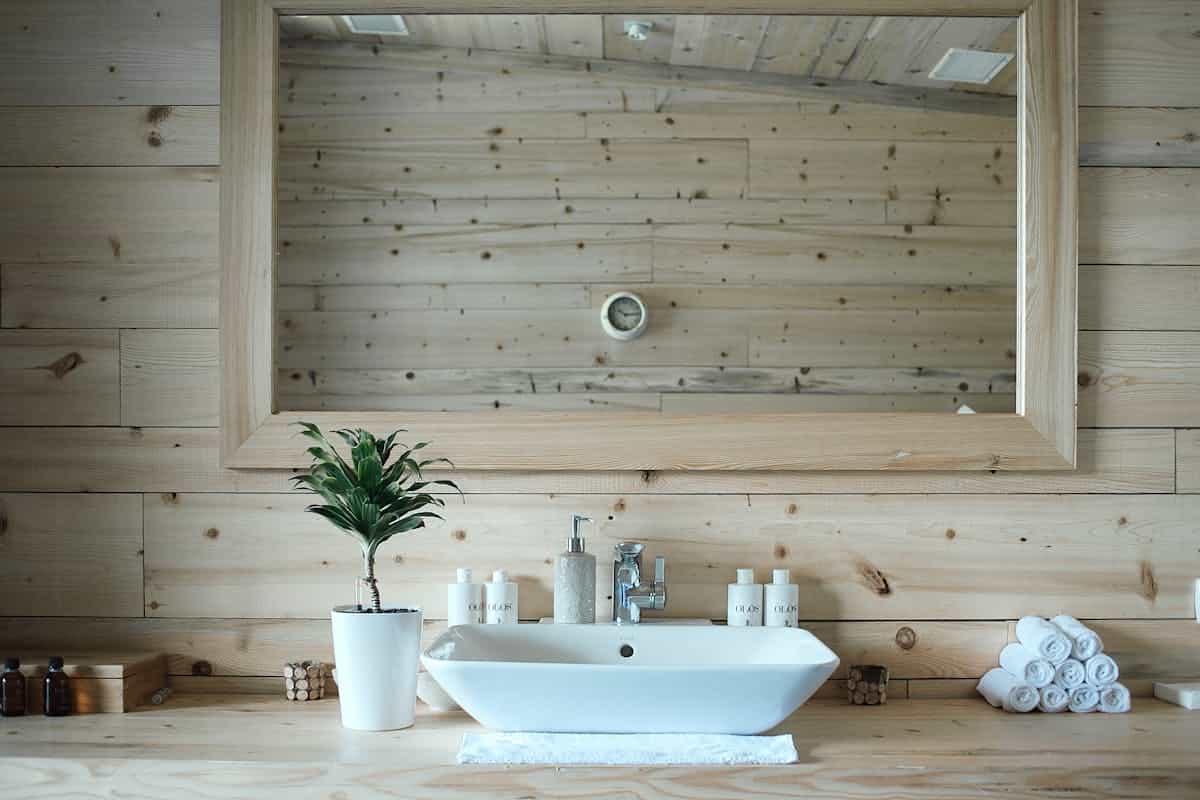
This is the one room where the wood choice is not just aesthetic — it is practical. Bathrooms are humid, and untreated wood will warp, crack, or grow mildew over time. Here is the honest version: a beautiful wood frame in the wrong wood is a frame that will not last.
The fix is straightforward. Teak is the classic bathroom wood because its natural oils resist water, and it is what outdoor and marine furniture has used for centuries for exactly that reason. Any other wood should be properly sealed with a water-resistant finish, kept out of the direct splash zone, and given a fan to clear the steam. Treated that way, a wood-framed mirror brings a spa-like warmth to a bathroom that no plastic or metal frame matches.
Caring for a Wood-Framed Mirror
A wood frame is low-maintenance, not no-maintenance. Dust it regularly and wipe it with a barely-damp cloth, drying straight after — standing water is the enemy of wood. Clean the glass by spraying the cleaner onto the cloth rather than the mirror, so nothing seeps behind the frame or into the silvered backing. An occasional wood polish or conditioning oil keeps a natural finish from drying out, and keeping the mirror out of constant direct sun protects both the wood color and, over the years, the silver behind the glass.
One last honest note that applies to every framed mirror: the frame is the style, but it cannot fix the glass. A gorgeous wood frame around wavy, distorted glass is still a poor mirror. Buy flat, well-silvered glass first — then enjoy the wood.
The One Thing to Carry Away
A wood-framed mirror is the easiest way to make a mirror feel warm instead of cold. Choose the wood for the room — teak where it is damp, walnut where you want richness, pine where you want rustic ease — pick natural to show the grain or painted to match a palette, and size it generously. Do that, and the frame stops being a border around the glass and becomes a piece of the room in its own right.
The glass shows you the room. The wood is what makes you want to keep it there.
Recommended Products
These are the categories worth browsing for wood mirror frames, across the main shapes, sizes, and finishes. (Links go to Amazon search results so you can compare current options.)
- Wood full length mirror — head-to-toe warmth for a bedroom.
- Round wood mirror — softens a room of straight edges.
- Oval wood mirror — a flattering shape for a vanity.
- Arched wood mirror — a window-like statement.
- Rustic wood mirror — reclaimed and weathered looks.
- Teak bathroom mirror — moisture-resistant for a humid room.
Mirror FAQ
What type of wood is best for a mirror frame?
It depends on the look and the room. Oak is durable with a bold, open grain and suits most rooms. Walnut is rich, dark, and reads modern and luxurious. Pine is light, affordable, and ideal for rustic and farmhouse looks. Teak is naturally oil-rich and moisture-resistant, which makes it the best choice for a bathroom. For a damp room, always choose a moisture-resistant or well-sealed wood; for a dry living room or bedroom, almost any solid wood works.
Are wood-framed mirrors still in style?
Yes. Wood-framed mirrors have stayed popular because the natural material adds warmth and texture that metal and frameless mirrors cannot, and because wood suits almost every style — rustic, farmhouse, boho, coastal, Scandinavian, and modern organic interiors all lean on it. Current looks favor light natural woods, slim profiles, and on-trend shapes like arched, round, and wavy frames. Wood is close to timeless precisely because it is a natural material rather than a trend finish.
What size wood mirror should I get?
Match the mirror to what it hangs over: it should be roughly two-thirds the width of the furniture below it. Over a console or vanity, that usually means a 24 to 36 inch frame. A wood mirror full length piece for outfit checks should be at least 48 to 56 inches tall, and standing or leaning floor mirrors commonly run 65 to 76 inches. On a large blank wall, size up — a frame that is too small for its wall is the most common decorating mistake.
Can you put a wood-framed mirror in a bathroom?
Yes, but choose the wood and finish carefully. Bathrooms are humid, and untreated wood can warp, crack, or grow mildew over time. Teak is the natural choice because its own oils resist moisture, and any other wood should be sealed or have a durable, water-resistant finish. Keep the frame off the splash zone, run the extractor fan, and wipe away standing water. Done right, a sealed or teak wood frame brings spa-like warmth to a bathroom that a plastic or metal frame cannot.
How do you care for a wood-framed mirror?
Dust the frame regularly and wipe it with a barely-damp cloth, drying it straight after — never let water sit on the wood. Clean the glass by spraying the cleaner onto the cloth, not the mirror, so liquid does not seep behind the frame or into the silvered backing. Every so often, a wood-appropriate polish or conditioning oil keeps a natural or oiled finish from drying out. Keep the mirror out of constant direct sun, which can fade both the wood and, over years, the silver backing.
What is the difference between a natural and a painted wood frame?
A natural (stained or oiled) wood frame shows the real grain and color of the wood, which adds warmth and reads organic — it is the choice when you want the wood itself to be the feature. A painted wood frame hides the grain under color, which lets the mirror match a palette or read more contemporary and crisp. Natural finishes suit rustic, boho, and Scandinavian rooms; painted frames suit traditional, coastal, and modern farmhouse looks where color coordination matters more than grain.