Best Full Length Mirrors for Bedroom & Living Room in 2026
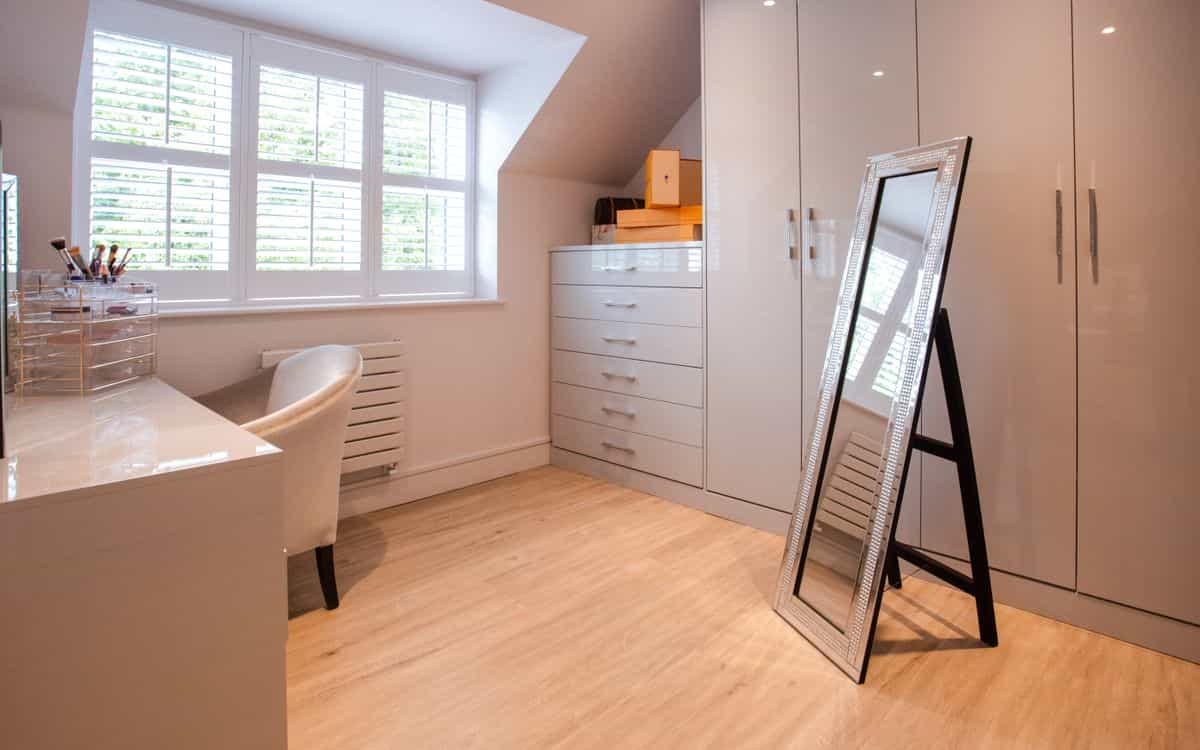
A full length mirror is one of the few things you can buy that is genuinely practical and decorative at the same time. It shows you head to toe before you leave the house, and it makes the room it lives in feel brighter and larger. Here is the short version before the detail.
The best full length mirror for a bedroom or living room is one that is at least 48 to 56 inches tall (around half your height), made of flat, distortion-free silvered glass, and styled to match the room — frameless for modern spaces, arched for a window-like statement, or wooden for warmth. Place it opposite a window to bounce light, and either anchor it into studs or strap a leaning mirror to the wall so it cannot tip. That is the whole decision.
A bit of context for why these are everywhere in 2026: the global mirror market was worth about $145.51 billion in 2025, and full length floor mirrors — especially tall arched ones — are one of the categories driving that growth. Now, how to choose well.
What Size Should a Full Length Mirror Be?
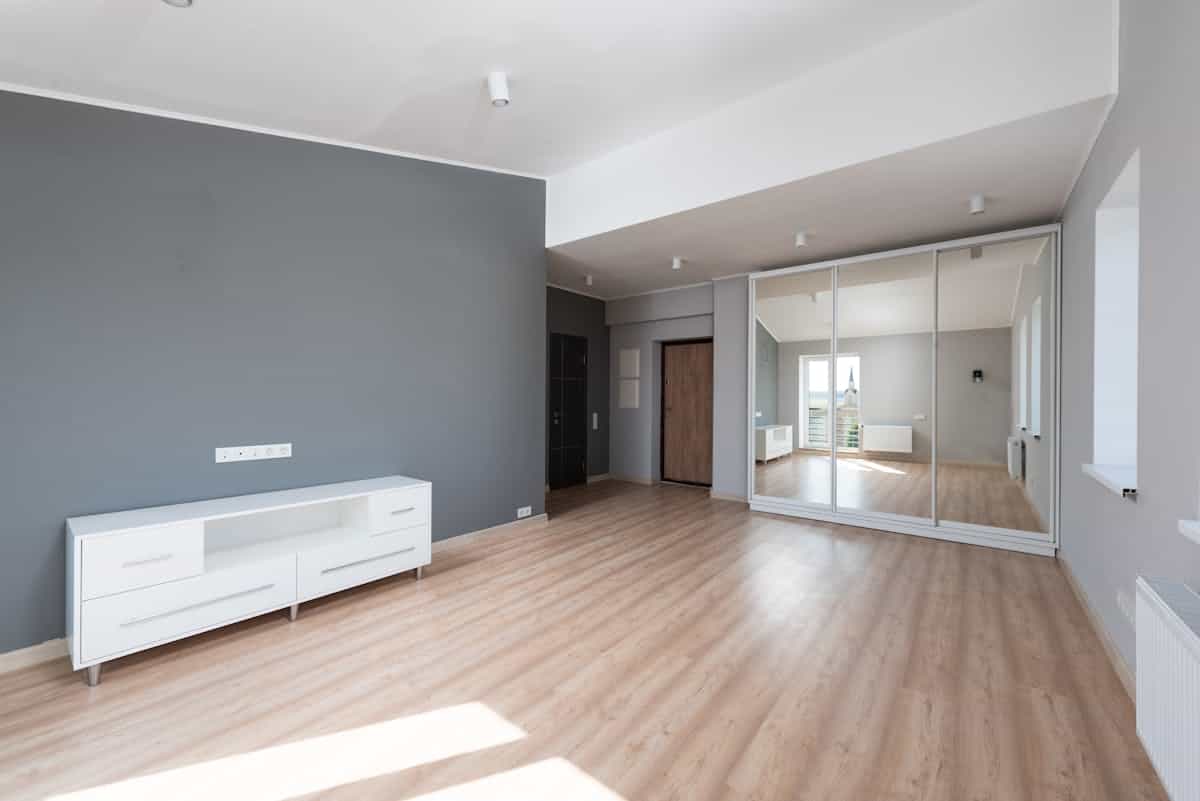
Size is the first thing to get right, because a mirror that is too short stops being a full length mirror at all.
The working rule across the industry is simple: a full length mirror should be at least half your height, and realistically 48 to 56 inches tall at a minimum to give a true head-to-toe reflection. The best full length mirrors land between 60 and 72 inches tall and 18 to 30 inches wide — tall enough to see your whole outfit, wide enough not to feel like looking through a slot. If you are buying a leaning floor mirror, size up: 65 to 76 inches is typical, because the lean angle eats some of the usable height.
In a living room, the same two-thirds rule that governs all wall decor applies — the mirror should fill roughly two-thirds to three-quarters of the wall or furniture it sits against. The most common and most expensive-looking mistake is buying one that is technically tall but still too small for its wall.
Frameless Full Length Mirrors
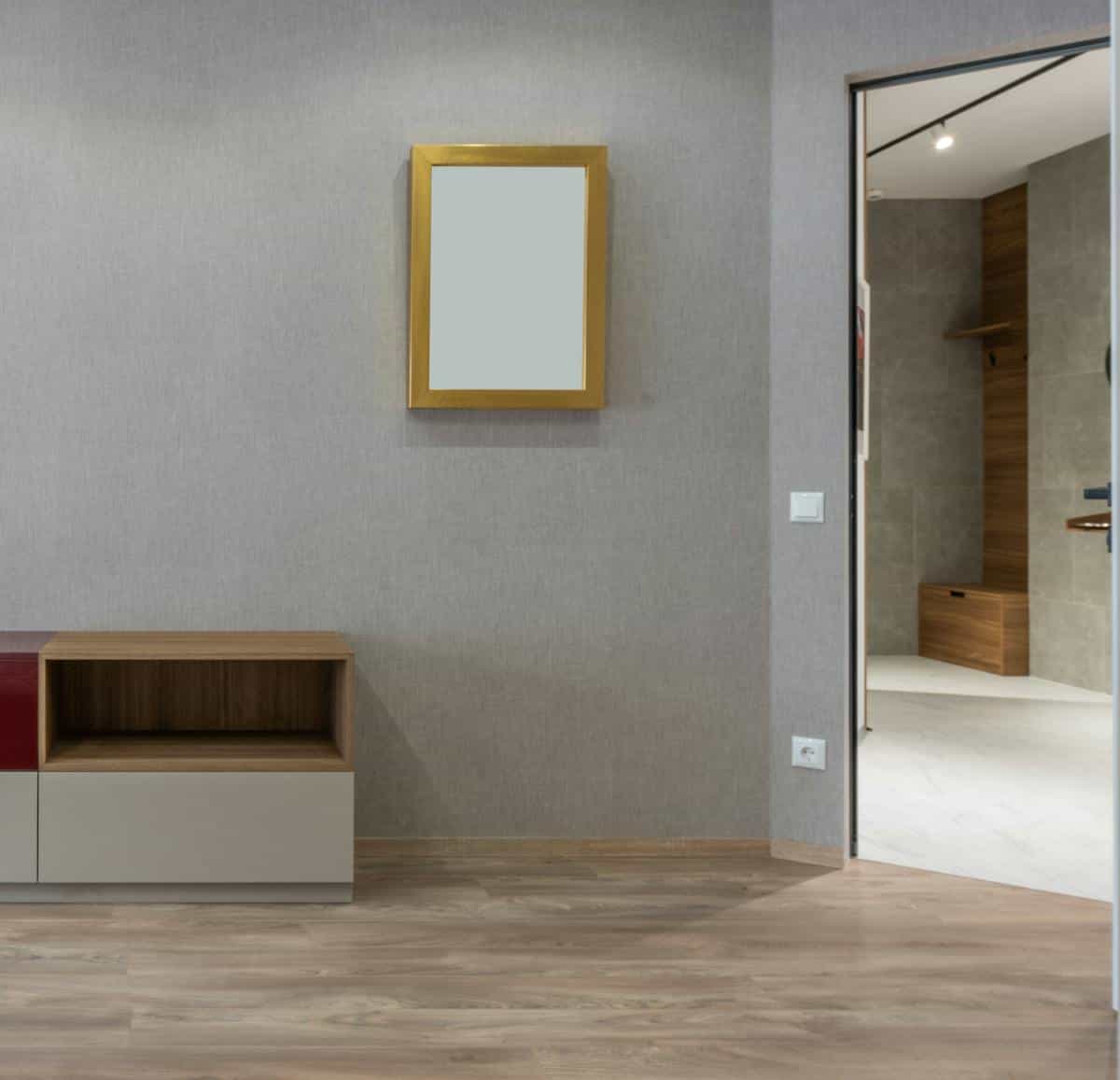
A frameless full length mirror is the cleanest, most modern option. With no frame to read as a style, it disappears into the wall and reflects pure space — which is exactly what you want in a minimalist or contemporary room.
The thing worth saying plainly: the frame has nothing to do with the quality of the glass. A frameless mirror can be every bit as good as a framed one, provided the glass is flat, properly silvered, and distortion-free. The trade-off is physical, not optical — the polished edges of a frameless mirror are more exposed and more vulnerable to chipping, and large frameless sheets are lightweight but need careful handling and mounting. For safety, a frameless full length mirror with a tempered or shatter-resistant backing is the smarter buy, especially in a bedroom or anywhere people pass close to it.
Arched Full Length Mirrors

If there is one shape defining full length mirrors right now, it is the arch. An arch full length mirror — a tall mirror with a softly curved top, often in a slim black or warm-metal frame — reads as architecture rather than accessory. The arch mimics a window, which is why it is the most light-enhancing and the most on-trend choice in 2026.
A tall arched mirror suits almost any room: it softens the boxiness of square furniture in a living room, and in a bedroom it brings height and a sense of openness. The window-pane (Crittall-style) versions, with a black grid across the glass, lean even harder into the architectural look. If you want the mirror to be the statement piece, the arch carries it without needing anything else on the wall.
Wooden Full Length Mirrors
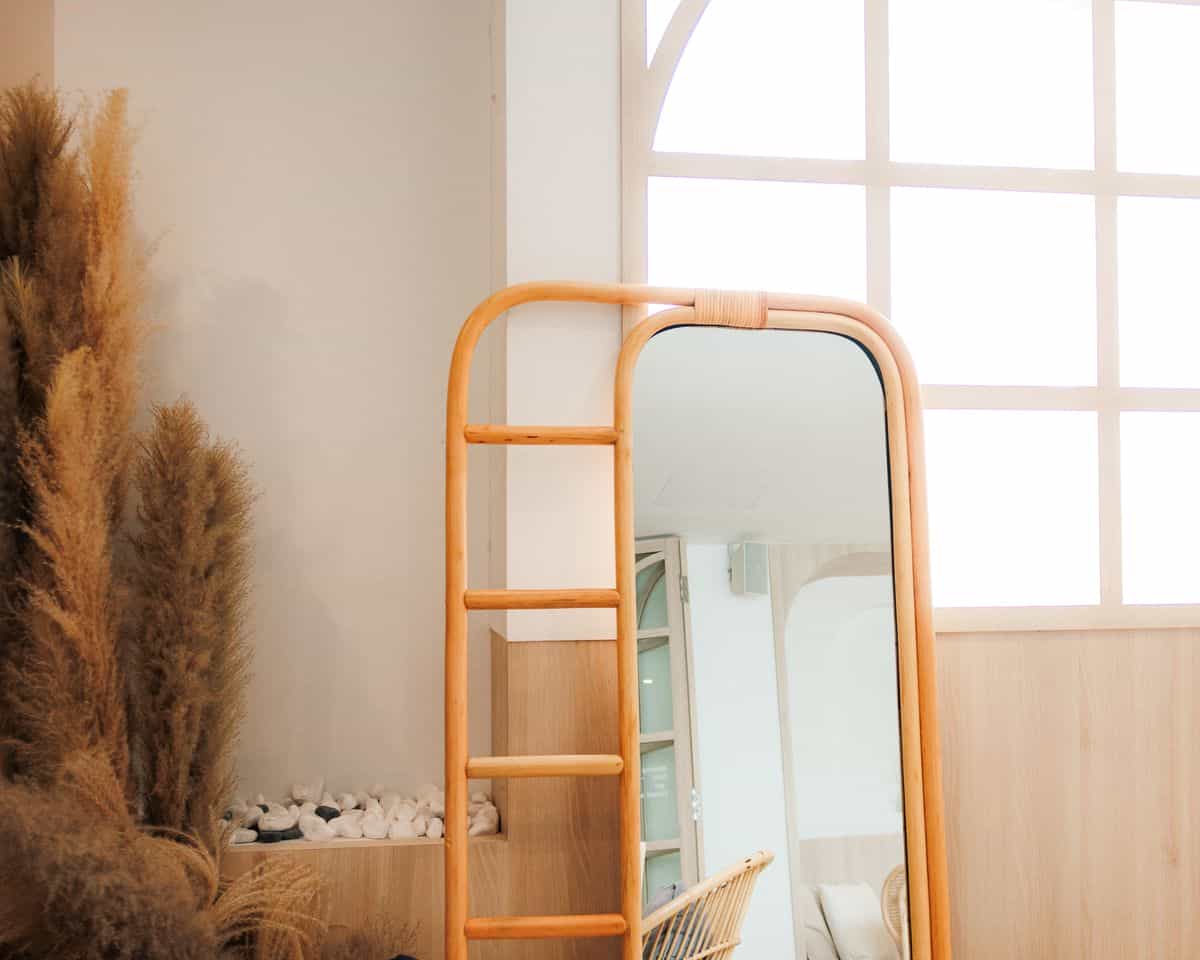
A wooden full length mirror does the opposite of a frameless one — it adds warmth, grain, and texture instead of disappearing. The frame becomes part of the decor, which is why wooden full length mirrors suit rustic, boho, coastal, and Scandinavian rooms so well.
The range here is wide. A light natural-wood or rattan frame reads relaxed and organic; a dark stained or carved wooden frame reads traditional or even a little grand; a wavy or arched wooden frame leans contemporary-craft. The rule is to match the wood tone to the other woods already in the room — flooring, furniture, shelving — so the mirror reads as part of the scheme rather than an outlier. A wooden frame also forgives a slightly less perfect glass edge, since the frame hides it.
Leaning, Cheval, or Wall-Mounted?
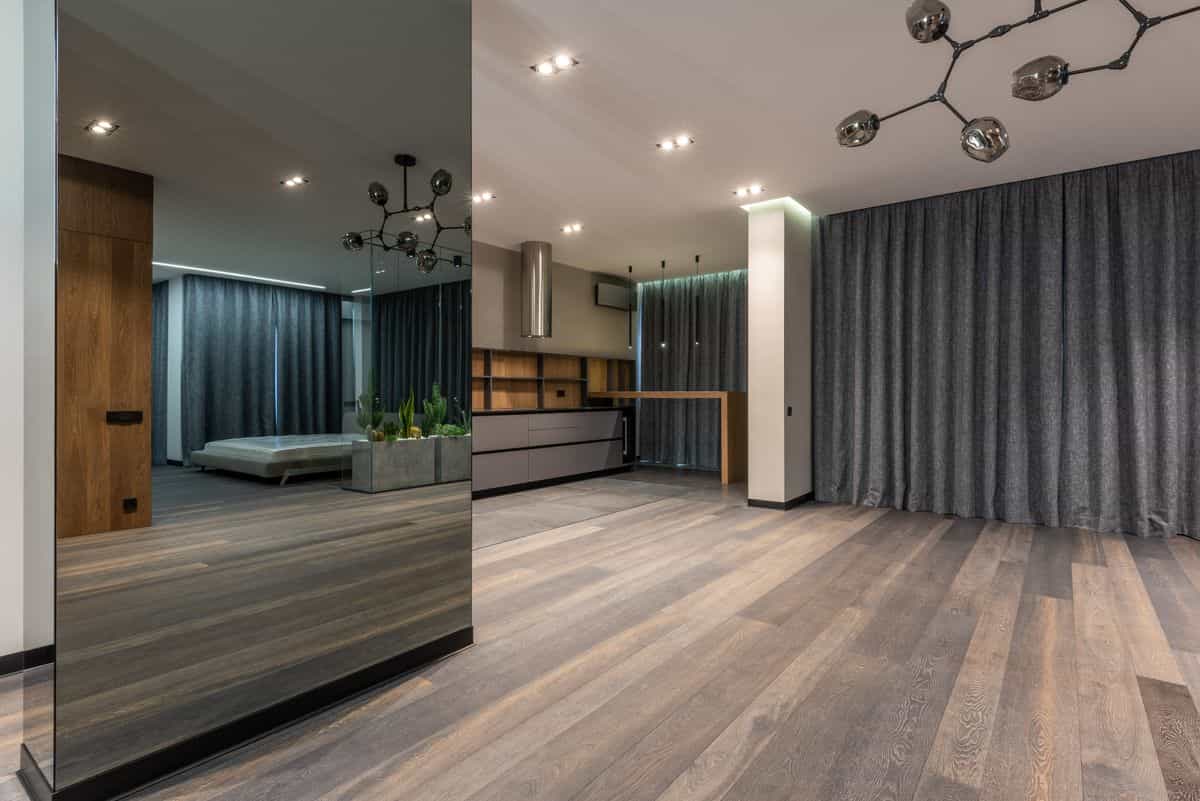
There are three ways to stand a full length mirror up, and the right one depends on how much you want to commit to the wall.
- Leaning floor mirror. A tall mirror that rests against the wall at a slight angle. It is the most forgiving and most renter-friendly option — no studs to find for the main weight, and you can re-angle it for the best light. The one non-negotiable: strap or bracket the top to the wall so it cannot slide or tip.
- Cheval mirror. A free-standing full length mirror set in its own frame with a tilt mechanism, so you can angle it without touching the wall at all. It is the classic adjustable dressing mirror and the most flexible of the three.
- Wall-mounted. Fixed flat to the wall, which saves floor space and looks the most built-in — but it is permanent and needs proper anchoring.
For most bedrooms, a leaning or cheval mirror wins on flexibility. For a tight room where floor space is precious, mounting is the better call.
How Glass Quality Changes What You See
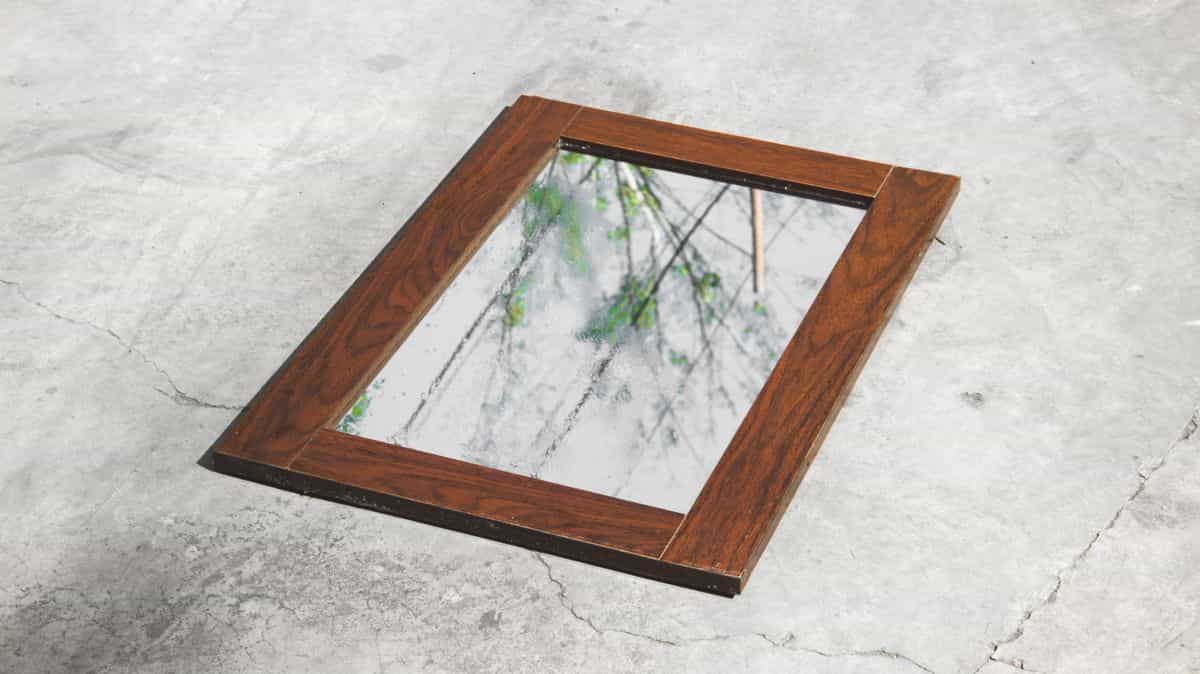
This is the part most shopping guides skip, and it is the one that decides whether you actually like your reflection. The frame is what you notice in the showroom; the glass is what you live with.
A good full length mirror uses flat, silvered float glass, and a quality silvered mirror reflects 95 to 99 percent of the light that hits it — which is what makes a true mirror so bright. The problems come from flatness: even slight waviness stretches or narrows your reflection, and that is the cheap-mirror look people complain about — not the silver, the flatness.
Worth saying plainly, because the marketing blurs it: a properly flat mirror shows you at true proportion, laterally reversed. A "skinny mirror" is just a subtly curved or tilted one, and it is lying to you. If accuracy matters, buy flat glass. For safety alongside accuracy, look for tempered glass backing, which is treated to be far stronger and to break safely if it ever does.
Where to Place a Full Length Mirror
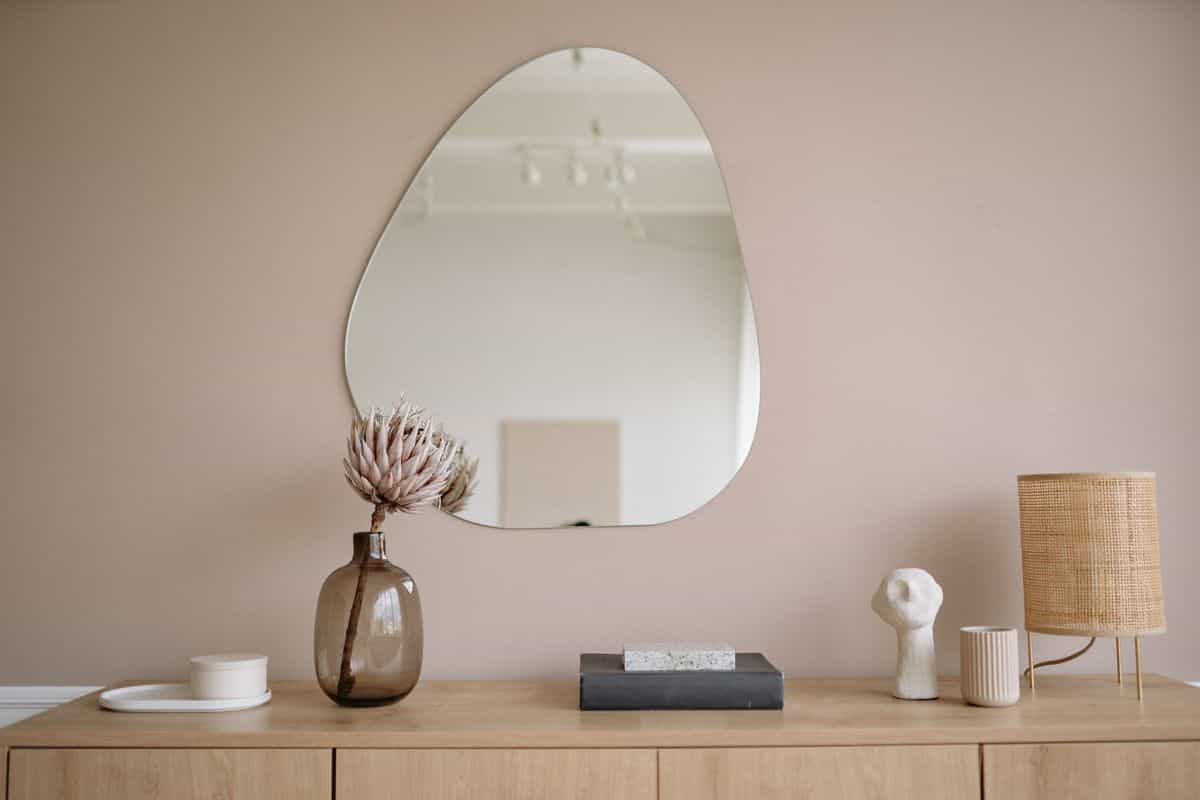
A full length mirror reflects whatever faces it, so placement is really a question of what you want doubled.
- Opposite or beside a window — the highest-impact spot, turning daylight into double daylight and making the room feel bigger.
- Near the closet or dressing area — the practical home base for outfit checks; it pairs naturally with wardrobe mirror ideas if you are planning the whole zone.
- Leaning in a corner — pulls a dead corner together and bounces light from two directions.
- In a living room — as a tall statement that adds depth, the same way the broader living room mirror ideas do, and useful in an entryway for a last-look-before-you-leave check.
One caveat that comes up constantly: a mirror that faces the bed bothers a lot of people, whether for sleep or for the unsettled feeling of catching movement at night. That is also a core feng shui concern, covered in the feng shui mirror placement rules. If it bothers you, angle the mirror away from the bed or choose a spot it does not reflect.
How to Mount or Lean One Safely
This is the section nobody enjoys and everybody needs. A large full length mirror can weigh 30 to 60 pounds, and that weight is glass.
If you are mounting it: find the studs and anchor into them, not bare drywall; use hardware rated comfortably above the mirror's weight; and use two fixing points for balance, or a French cleat for the heaviest pieces. If you are leaning it: add an anti-tip strap or bracket to the top so it cannot slide forward — the single most important safety step for a leaning mirror, and it matters most in homes with children or pets. It is the one decorating job where over-building the mount is the right instinct.
The One Thing to Carry Away
A full length mirror is the rare purchase where the practical choice and the decorative choice are the same choice. Get the size right — at least half your height, taller if you are unsure — buy flat, well-silvered glass over a pretty frame wrapped around poor glass, and point it at a window rather than the bed. Do that, and a single sheet of silvered glass gives you a daily outfit check and a brighter, bigger-feeling room at the same time.
The frame is what sells the mirror. The flatness of the glass is what you will actually live with for the next decade.
Recommended Products
These are the categories worth browsing for the best full length mirrors for a bedroom or living room, plus the hardware to set one up safely. (Links go to Amazon search results so you can compare current options.)
- Frameless full length mirror — clean and modern, maximises the reflective surface.
- Arched full length mirror — the window-like statement shape.
- Wooden full length mirror — warm, textured frame for rustic and boho rooms.
- Cheval / free-standing tilting mirror — adjustable and fully free-standing.
- Leaning floor mirror — tall and renter-friendly, no main weight to hang.
- Mirror anti-tip strap and mounting kit — to anchor or secure a heavy mirror safely.
Mirror FAQ
How tall should a full length mirror be?
A true full length mirror should be at least 48 to 56 inches tall so you can see your whole body, and the common rule is that it should be at least half your own height. In practice the best full length mirrors run 60 to 72 inches tall and 18 to 30 inches wide, which gives a clear head-to-toe reflection with a little room to spare. For a leaning floor mirror, go taller rather than shorter — 65 to 76 inches is typical — because some of the height is lost to the lean angle.
Are frameless full length mirrors good quality?
Yes, a frameless full length mirror can be excellent quality — the frame has nothing to do with the glass. What matters is the mirror itself: look for silvered float glass with anti-distortion flatness and, ideally, tempered or shatter-resistant backing for safety. A frameless mirror suits minimalist and modern rooms and maximises the reflective surface, but the polished edges are more vulnerable to chipping than a framed mirror, so handle and mount it carefully.
Where should I put a full length mirror in a bedroom?
The best spots are opposite or beside a window so the mirror bounces daylight into the room, near the closet or dressing area for outfit checks, or leaning in a corner where it pulls light from two directions. Avoid placing it directly facing the bed if that bothers you — many people find a mirror reflecting the bed disrupts sleep or feels uneasy, which is also a common feng shui concern. A full length mirror reflects whatever faces it, so aim it at light or a view, not at clutter.
What is the difference between a cheval mirror and a leaning floor mirror?
A cheval mirror is a free-standing full length mirror mounted on a frame with a tilt mechanism, so you can angle it without touching the wall. A leaning floor mirror is simply a tall mirror that rests against the wall at a slight angle. The cheval is adjustable and fully free-standing; the leaning mirror is usually larger, more minimalist, and needs to be strapped to the wall so it cannot tip. Both are renter-friendly because neither requires hanging the main weight.
Is a frameless, arched, or wooden full length mirror best?
It depends on the room. A frameless full length mirror suits minimalist and modern spaces and disappears into the wall. An arched full length mirror reads as architecture and mimics a window, which makes it the most light-enhancing and on-trend choice. A wooden full length mirror adds warmth and texture and suits rustic, boho, coastal, and Scandinavian rooms. Match the style to what is already in the room rather than buying the shape in isolation.
How do you hang a full length mirror safely?
Find the wall studs and anchor into them with hardware rated well above the mirror's weight — a large full length mirror can weigh 30 to 60 pounds. Use two fixing points for balance and a French cleat for the heaviest pieces. If you are leaning a floor mirror instead of hanging it, secure the top to the wall with an anti-tip strap or bracket so it cannot slide or topple, which matters most in homes with children or pets. Tempered or shatter-resistant glass adds a margin of safety either way.