Arched Mirror Wall Ideas: How to Style Arch Mirrors at Home
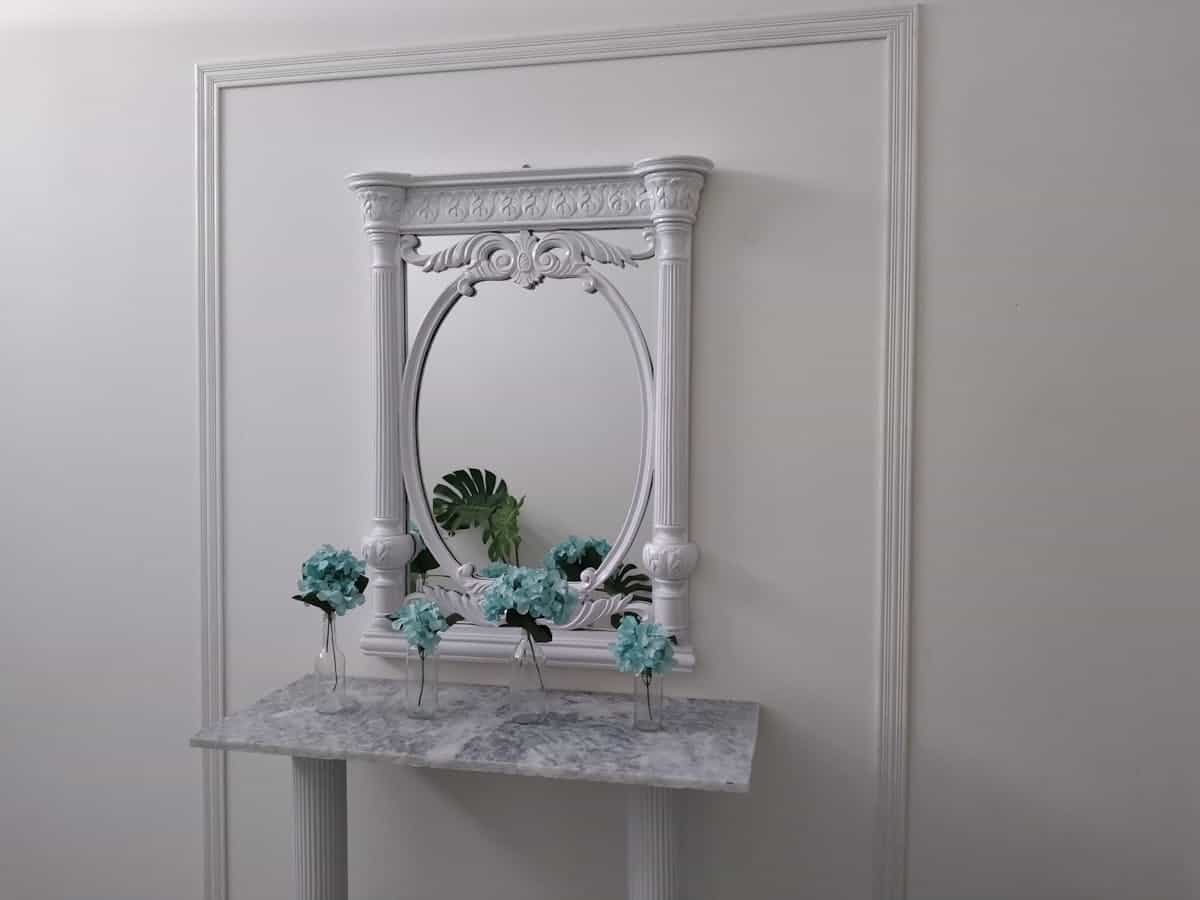
An arched mirror is the easiest way to add a sense of architecture to a plain wall. The curved top does something a rectangle never can — it reads like the head of a window or a doorway, so the mirror behaves like a piece of the building rather than an object hung on it. Here is the short version first.
To style an arched mirror wall: center the mirror over a console, mantel, or sideboard; size it to about half to two-thirds of the wall or furniture; choose a frame that matches the room (slim black, warm metal, or natural wood); and keep the curved top clear by layering only low decor in front of the base. Place it opposite a window and the arch reads as a second window. That is the whole idea.
The shape is not a passing trend, either. The arch is one of the oldest structural forms in architecture, which is exactly why an arched mirror feels grounded and permanent rather than novelty. Here is how to use one well.
Why an Arched Mirror Works on a Wall
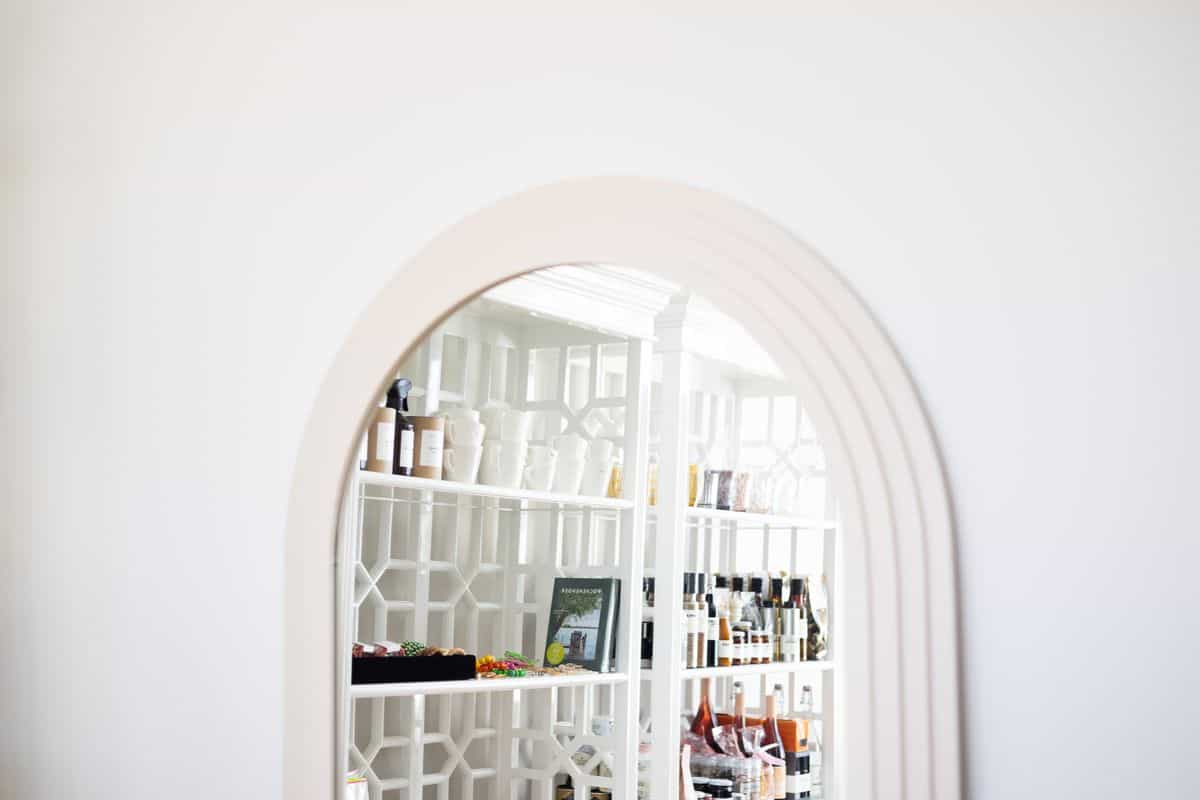
Most walls are a grid of rectangles — windows, doors, frames, cabinets. An arch interrupts that grid with a single soft curve, and the eye reads the curve as architecture, not decoration.
That is the whole reason an arched mirror wall feels more designed than a rectangular one. The brain associates the arched top with windows and doorways, so an arch mirror on a blank wall suggests an opening that is not really there. It also bounces light like any mirror — a good silvered surface returns 95 to 99 percent of the light that hits it through specular reflection — but the shape changes the feeling of that light, making it read like daylight through a window rather than a reflection on glass. In a dark or windowless room, that illusion is the arched mirror's single most useful trick.
What Size Arched Mirror Should You Choose?
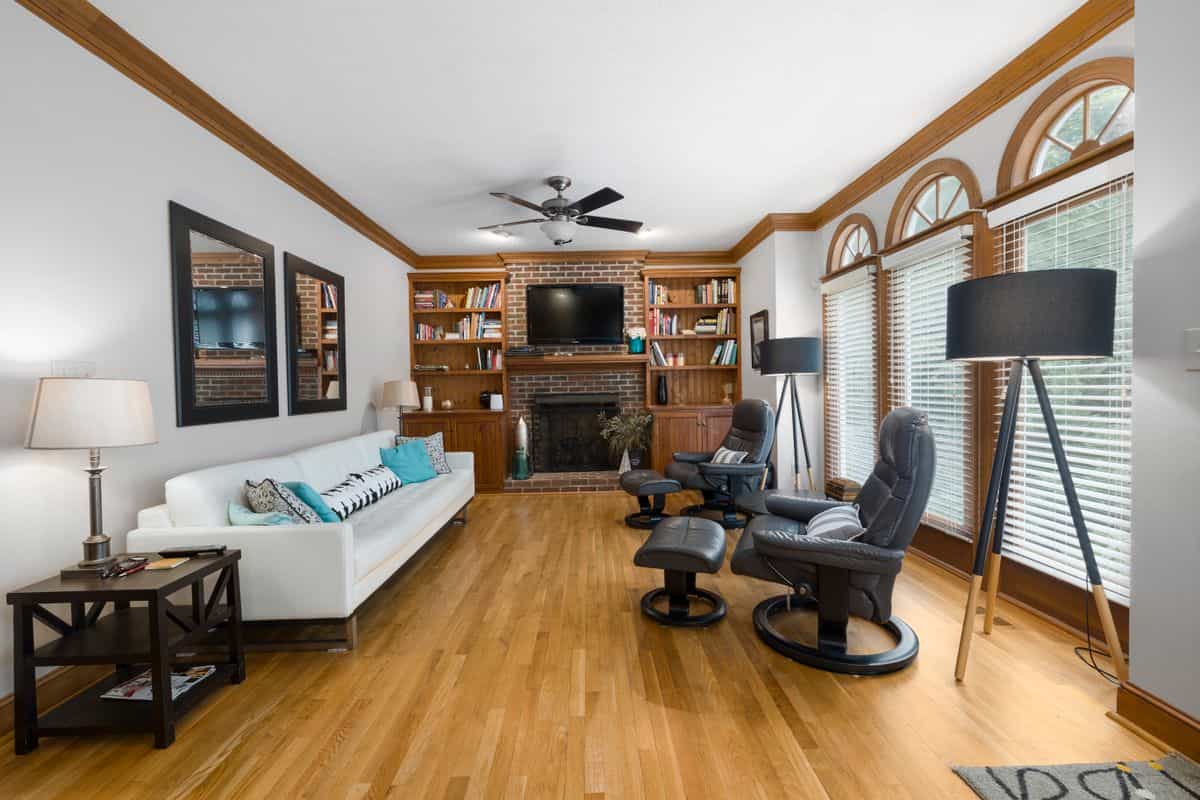
Size is where most arched mirror walls go right or wrong. The rule is the same one that governs all wall decor: the mirror should fill about half to two-thirds of the wall or the furniture below it. In practice, that maps to three sizes:
- A small arched mirror (roughly 24 to 30 inches tall) suits a powder room, a narrow console, or a single piece in a grouped display.
- A tall arched mirror (around 55 to 65 inches) works as a near-full-length statement over a dresser, in an entryway, or leaning in a bedroom — and overlaps with the arch full length mirror territory.
- A huge arch mirror (70 inches and up, usually floor-leaning) becomes the focal point of an entire wall.
When you are choosing between two sizes, go larger. The most common and most expensive-looking mistake is an arch that floats too small on its wall, which makes the whole arrangement look tentative.
Over a Console, Sideboard, or Fireplace
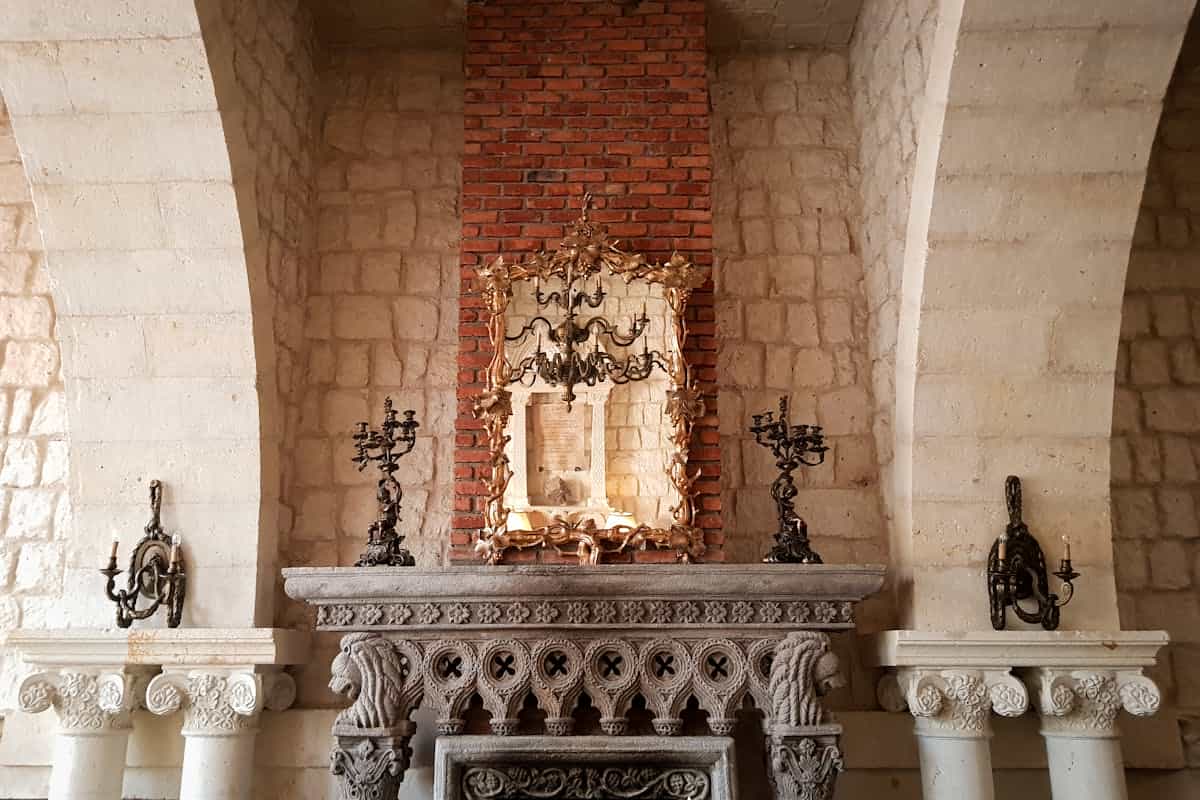
This is the classic arched mirror placement, and the contrast is why it works. A console, a sideboard, and a fireplace mantel are all strong horizontal lines — and the arch rising above that line softens it and draws the eye upward.
Center the mirror on the furniture, leave 4 to 8 inches between the base of the mirror and the surface, and let the arch breathe above. Over a fireplace, an arched mirror is a natural fit because the shape echoes the proportions of the firebox and chimney breast. The key discipline here is the one rule every designer repeats: never let decor cross the curved top. Tall objects flanking the arch are fine; anything that cuts across the arc flattens the shape and wastes it.
Styling an Arched Mirror in the Bedroom
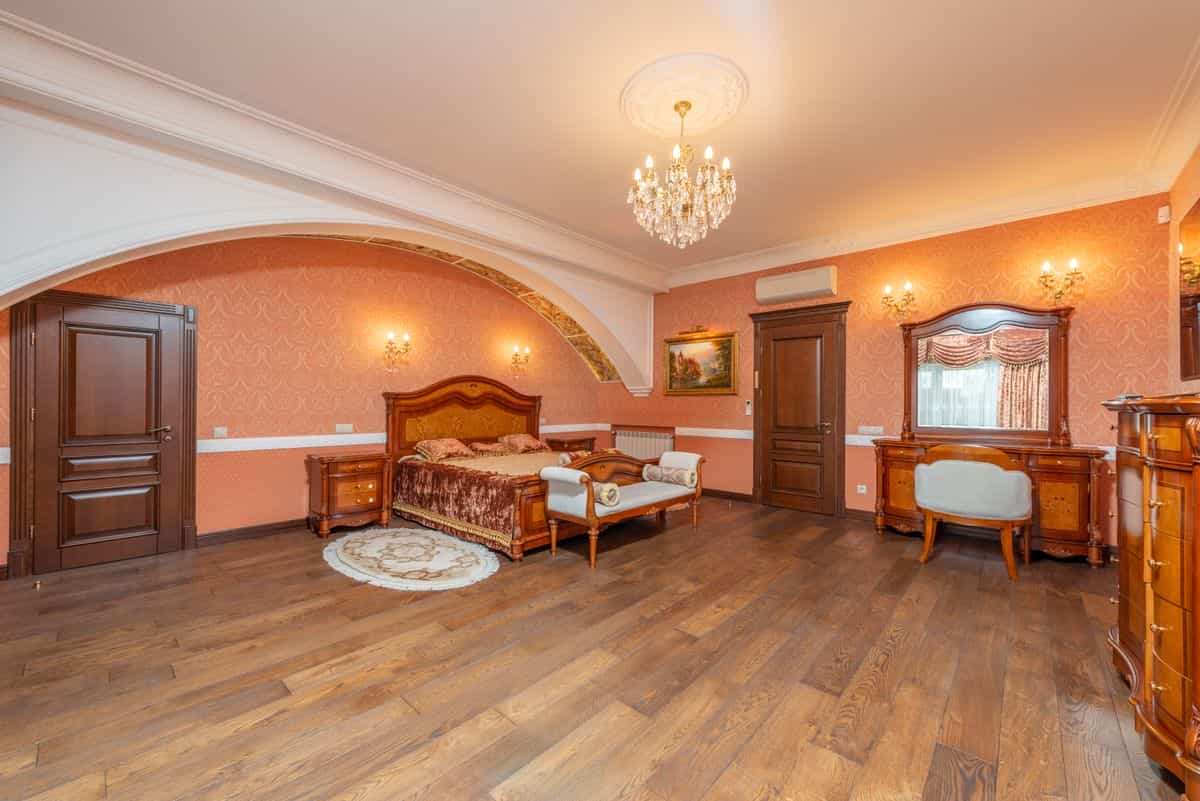
In a bedroom, an arched mirror does double duty — it dresses the wall and it gives you a place to check an outfit. A tall arched mirror over a dresser softens the rectangle of the furniture, and a huge floor-leaning arch in a corner brings instant height and light.
Lean it or hang it opposite the window so it pulls daylight across the room. If the mirror ends up facing the bed and that unsettles you — a common reaction, and a core feng shui concern covered in the feng shui mirror placement rules — angle it away or move it to an adjacent wall. One honest note on leaning: a tall or huge arch mirror leaning against the wall must be strapped or bracketed so it cannot tip, especially around children or pets. The look is relaxed; the mounting should not be.
Window-Pane and Black-Framed Arches
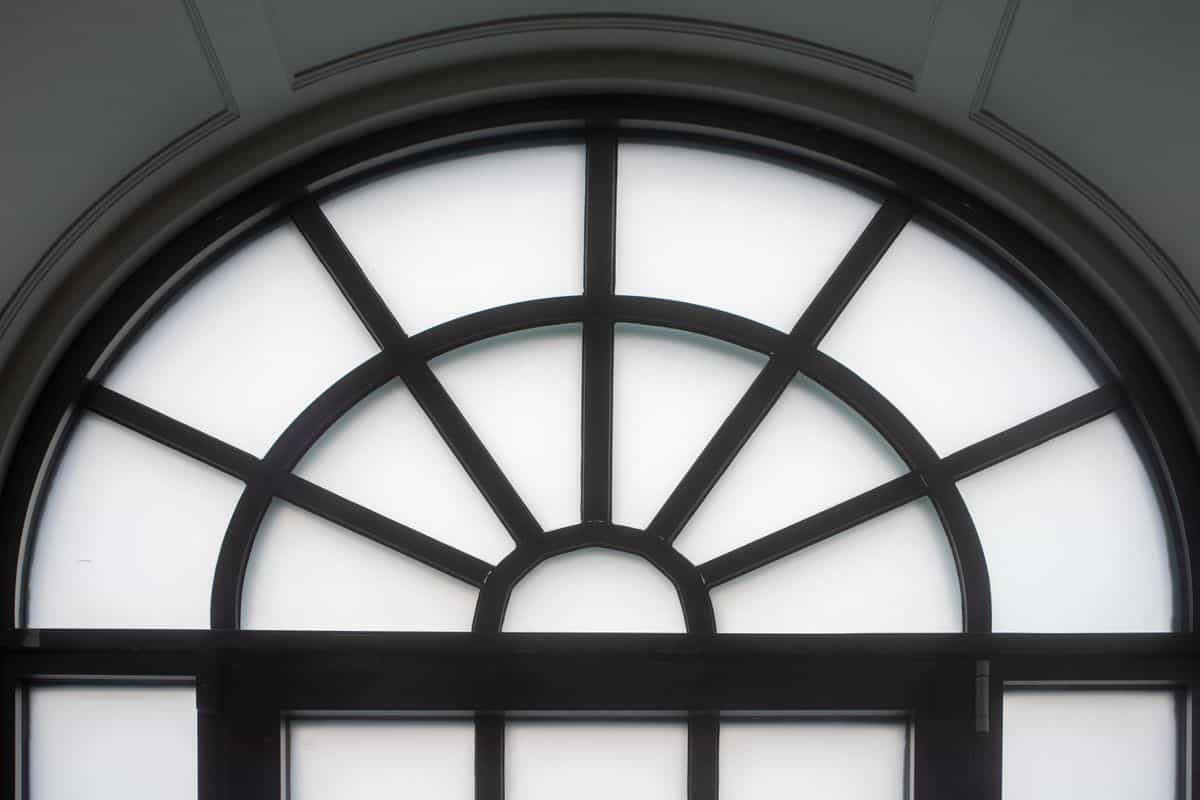
If you want to push the window illusion as far as it will go, the window pane mirror is the way. These arched mirrors have a black grid laid over the glass — divided into panes like a steel-framed window — and the effect is uncanny: from across the room, it genuinely looks like an arched window onto another space.
The style borrows directly from Crittall windows, the slim steel-framed industrial windows that have shaped interior design since the early twentieth century. A black-framed arched window pane mirror suits modern, industrial, and transitional rooms, and pairs naturally with black hardware and matte-black fixtures. It is the most literal version of the arch's "fake window" trick — and the most dramatic.
Choosing the Frame: Wood, Gold, or Black
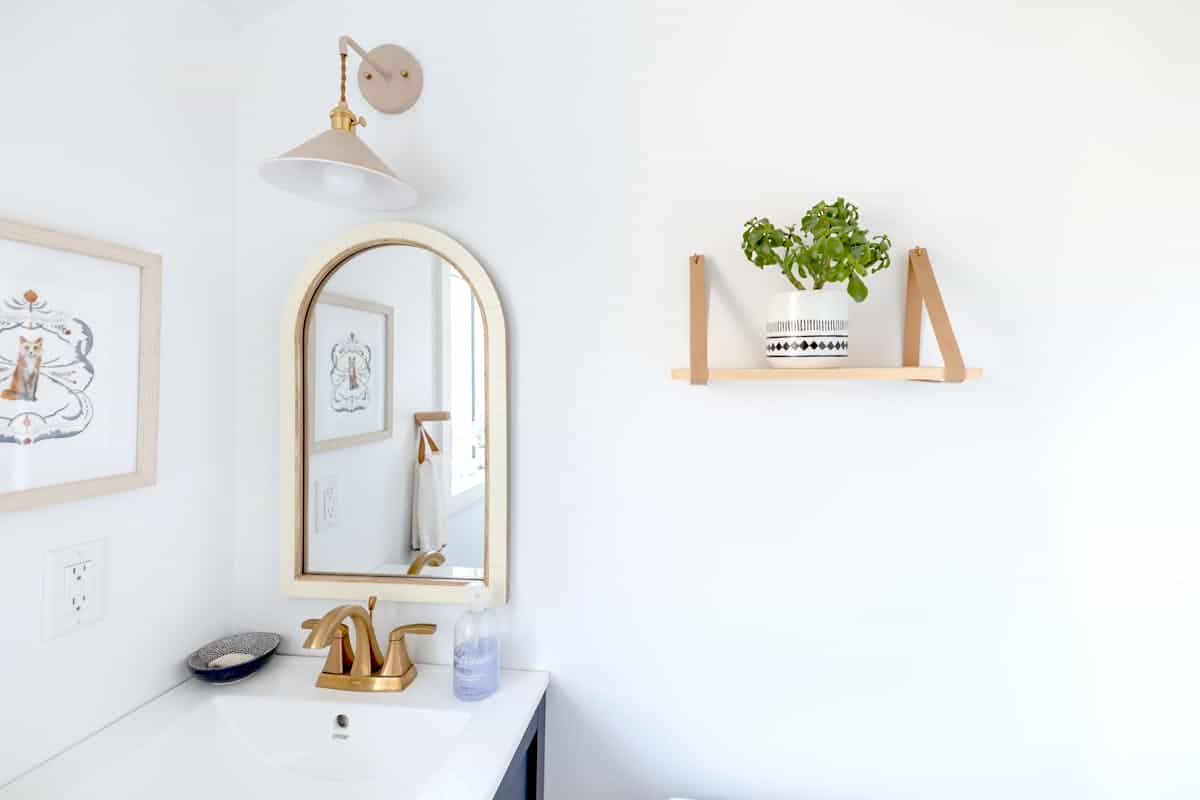
The frame sets the personality of an arched mirror wall, and the rule is to match it to a metal or wood already in the room.
- Natural wood — walnut, oak, or reclaimed timber — grounds the arch with organic warmth and suits living rooms with exposed brick, concrete, or earthy tones.
- Slim black metal reads modern and graphic, and is the natural partner for the window-pane look.
- Warm metals — gold and brass — bring glamour and a traditional note, and work beautifully in a bathroom or a more formal living room.
- Frameless or thin-edge arches disappear into minimalist rooms and let the pure shape do the work.
One honest note that applies to every decorative mirror: the frame matters more for style than the glass does, but a beautiful frame around wavy, distorted glass is still a poor mirror. Buy flat, well-silvered glass first, then choose the frame.
Grouping Arched Mirrors and Other Placements
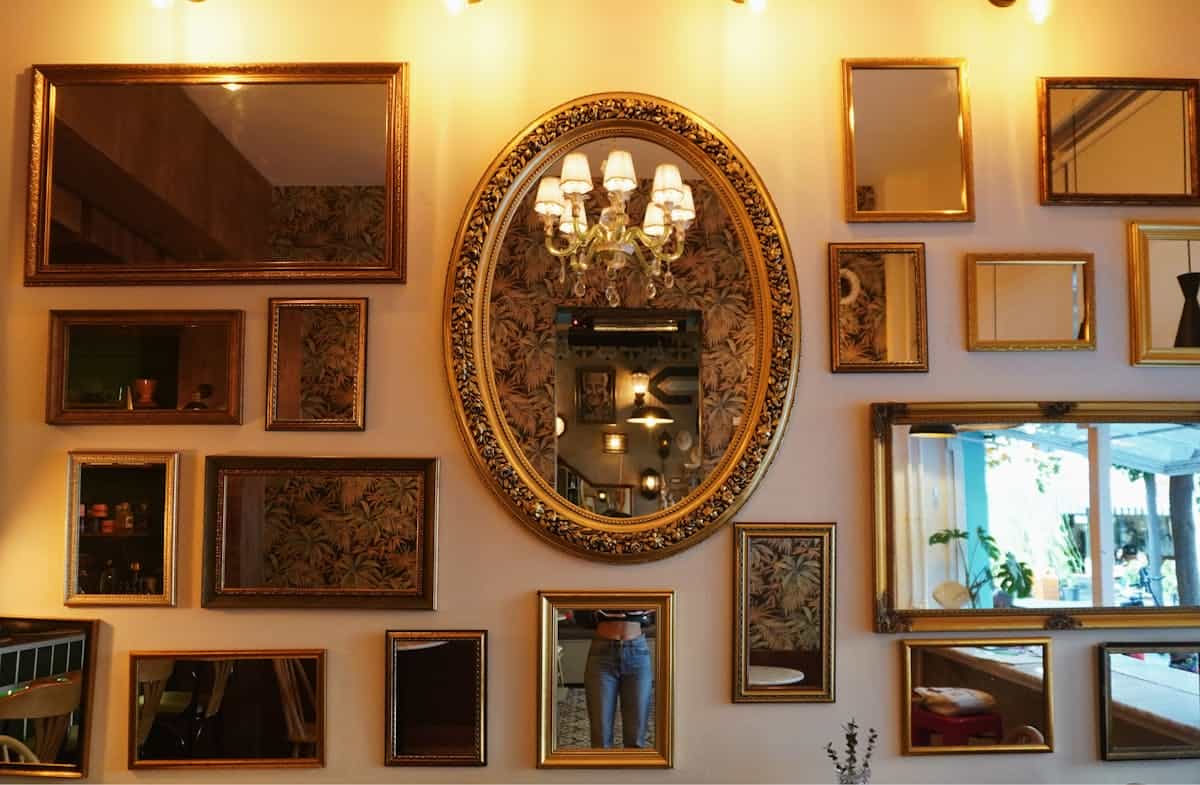
When one arch is not enough, group several. A row of matching small arched mirrors above a sofa or sideboard reads like a run of windows, and a cluster of arches in mixed sizes makes a soft, light-catching gallery wall without the rigid grid of framed prints.
A few more placements worth knowing:
- At the end of a hallway — an arch mirror caps a long, narrow space and bounces light back down it. For the full narrow-space playbook, see these entryway mirror ideas.
- Opposite a window — the highest-impact spot, where the arch most convincingly reads as a second window.
- As an oversized statement — a single huge arch can carry a whole wall, the same way the largest extra large wall mirrors do.
The One Thing to Carry Away
An arched mirror is not just a mirror with a curved top — it is a small piece of architecture you can hang on a wall. Size it generously, frame it to match the room, place it opposite the light, and above all keep the curve clear. Do that, and the arch does the rest: it suggests a window where there is none, softens the grid of straight lines around it, and gives the wall a quiet sense of structure.
The shape has been holding up cathedrals for two thousand years. On your wall, it only has to hold the light.
Recommended Products
These are the categories worth browsing for an arched mirror wall, across the main sizes and frame styles. (Links go to Amazon search results so you can compare current options.)
- Arched wall mirror — the all-purpose starting point.
- Window pane arch mirror — the black-grid faux-window look.
- Tall arched floor mirror — a near-full-length leaning statement.
- Huge arched mirror — focal-point scale for a whole wall.
- Gold arched mirror — warm-metal glamour for a console or vanity.
- Small arched mirror set — for a grouped or gallery display.
Mirror FAQ
How do you style an arched mirror?
Treat the arched mirror as the architecture of the wall and let the curved top stay visible. Center it over a console, sideboard, or mantel; size it to about two-thirds the width of the furniture below; and layer low decor — a lamp, a vase, a stack of books — in front of the base so nothing crosses the arch. Keep the wall around it relatively clear so the shape reads as a feature rather than competing with art. The single most common mistake is crowding the curve, which kills the one thing that makes the mirror special.
Where should you hang an arched mirror?
The best spots are over a console in an entryway, above a fireplace or sideboard, at the end of a hallway, or opposite a window in a living room or bedroom. Because the arch mimics a real window, an arched mirror wall is especially effective in a dark or windowless space — placed opposite an actual window, it reads almost like a second one. As with any mirror, position it to reflect light or a view, not clutter, since it will faithfully double whatever faces it.
What size arched mirror should I buy?
Match the mirror to its job. A small arched mirror (around 24 to 30 inches tall) suits a powder room, a narrow console, or one mirror in a grouped display. A tall arched mirror (around 55 to 65 inches) leans or hangs as a near-full-length statement in a bedroom or entryway. A huge arch mirror (70 inches and up, often floor-leaning) becomes the focal point of a whole wall. The general rule: the mirror should fill roughly half to two-thirds of the wall or furniture it sits against.
Are arched mirrors still in style?
Yes. The arched mirror has been one of the most popular shapes in interior design for several years, because the curved top adds the softness and architectural interest that flat rectangles lack. Current looks favor slim black or warm-metal frames, window-pane (Crittall-style) grids for a true window effect, and natural wood for organic rooms. The arch itself is an ancient architectural form, so it tends to read as timeless rather than trend-bound.
Can you lean a tall arched mirror against the wall?
Yes, and a tall or huge arched mirror is one of the best candidates for leaning — the shape looks relaxed and intentional resting against a wall. The non-negotiable is safety: a large leaning mirror must be secured to the wall with an anti-tip strap or bracket so it cannot slide or topple, which matters most in homes with children or pets. Lean it at a slight angle on a level floor, and check what it reflects from standing height.
What rooms work best for an arched mirror?
Arched mirrors suit almost every room, but they shine where there is a strong horizontal line to break up or a lack of natural light to fix. Entryways, living rooms above a sofa or console, bedrooms over a dresser or as a leaning full-length, bathrooms over the vanity, and hallways all work well. The arch is most powerful in tighter or darker spaces, where its window-like shape opens the room up the most.