Entryway Bench With Mirror: Functional and Stylish Combos
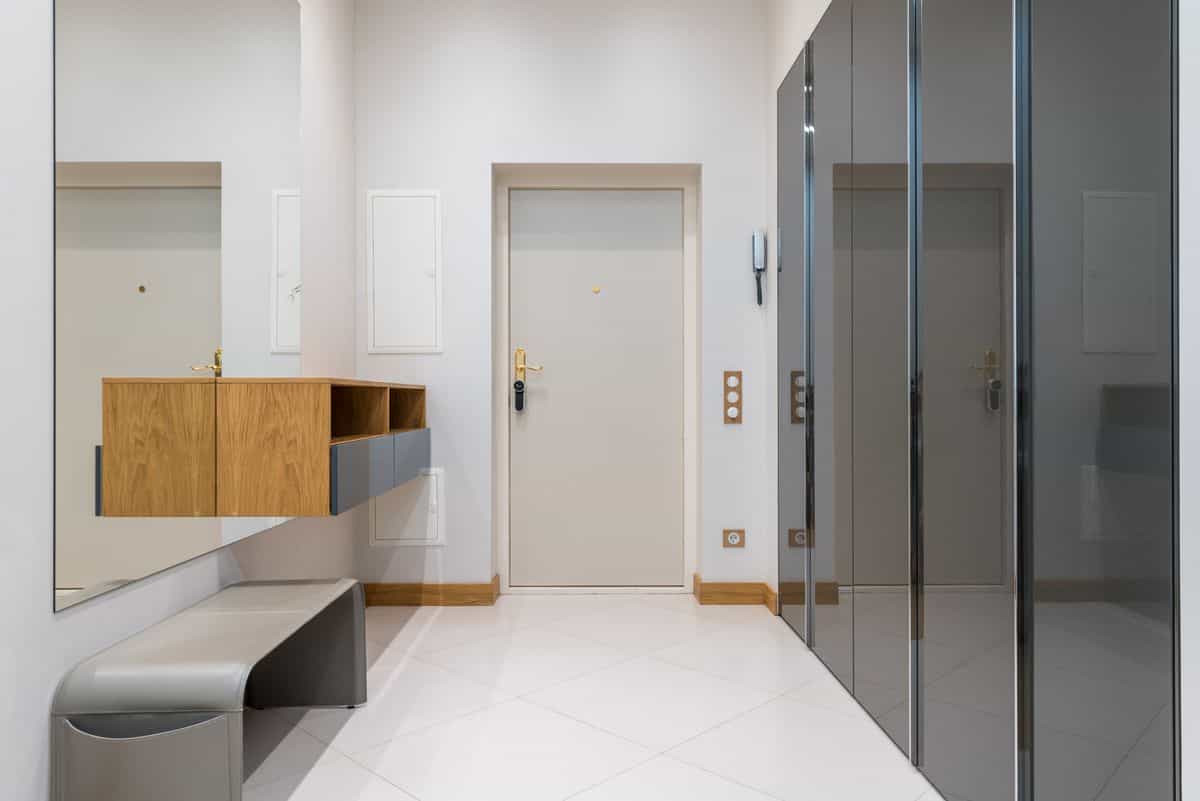
An entryway bench with a mirror above it might be the most useful three feet of furniture in a house. You get somewhere to sit and deal with shoes, a mirror for the last look on the way out, and — almost incidentally — a bare entry wall that finally looks finished. The trick is pairing the two so they read as one piece rather than a bench that happens to have a mirror near it. Here is how. The short answer first.
Pair an entryway bench with a mirror that is two-thirds to three-quarters the bench's width, hung with its centre at eye level and an 8 to 12-inch gap above the seat. Choose a storage bench if you need shoe space, and fill the gap between them with hooks or a shelf for a complete drop zone. Buy a matched set for ease, or build from separate pieces for control.
Most entryway bench with mirror guides are mood-boards with no measurements. The combos that actually look right all got the proportions and the stack order correct. Here they are.
Why an Entryway Bench-and-Mirror Combo Just Works
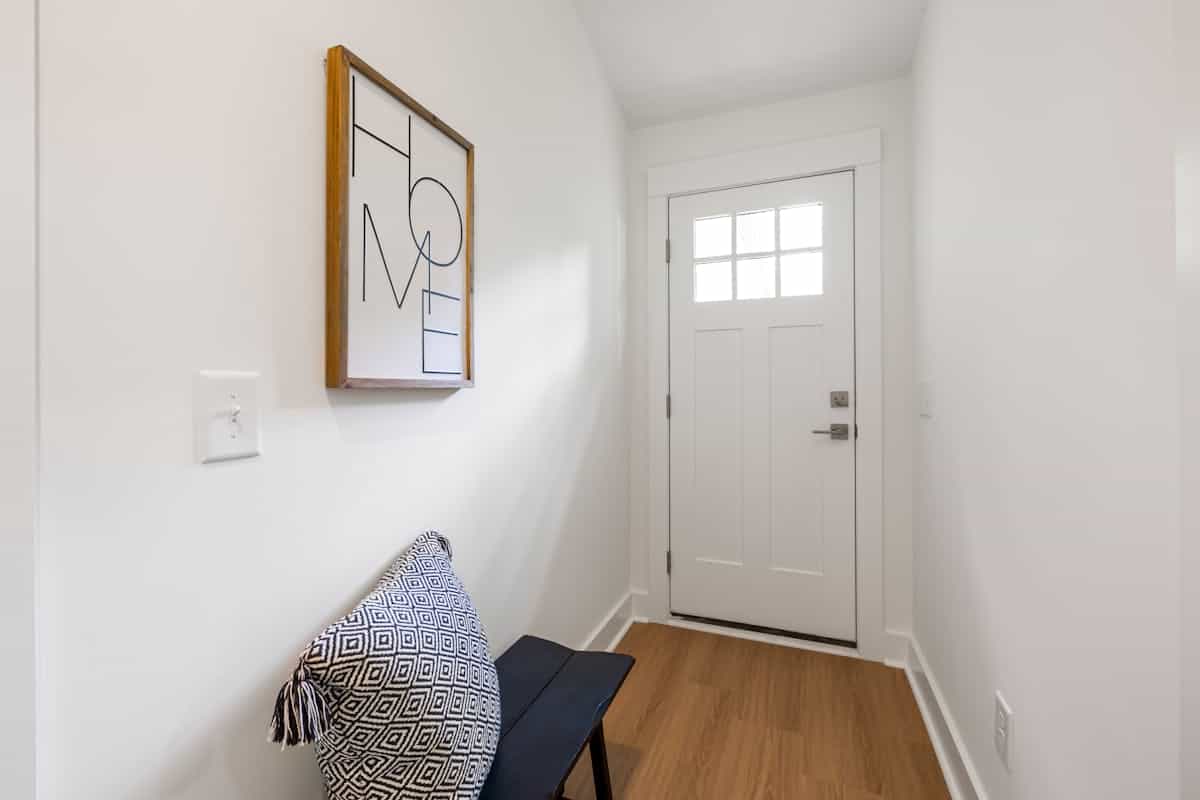
The pairing solves three separate problems that an entryway throws at you every single day.
It gives you somewhere to sit. Putting on shoes standing up, balanced on one leg by the door, is a small daily indignity. A bench fixes it — and a bench with storage underneath swallows the shoes too.
It gives you the last look. The mirror above the bench is the final thing you pass before leaving, the natural spot to check the whole outfit. It also bounces light into a usually windowless space, which is just how reflection behaves — the mirror returns whatever light reaches the hall and makes a dim entry feel brighter.
It finishes the wall. A bench alone leaves a large blank space above it; a mirror alone leaves nothing to sit on below. Together they fill the wall from floor to eye level as a single, deliberate composition — which is why designers reach for the combo so often.
There is something quietly historical in that last-look habit, too. A clear, accurate reflection of your own face was a luxury ordinary people could not own until the 19th century. The bench-and-mirror by the door is just the most practical modern home for a very modern reflex.
How to Size and Place the Mirror Above the Bench
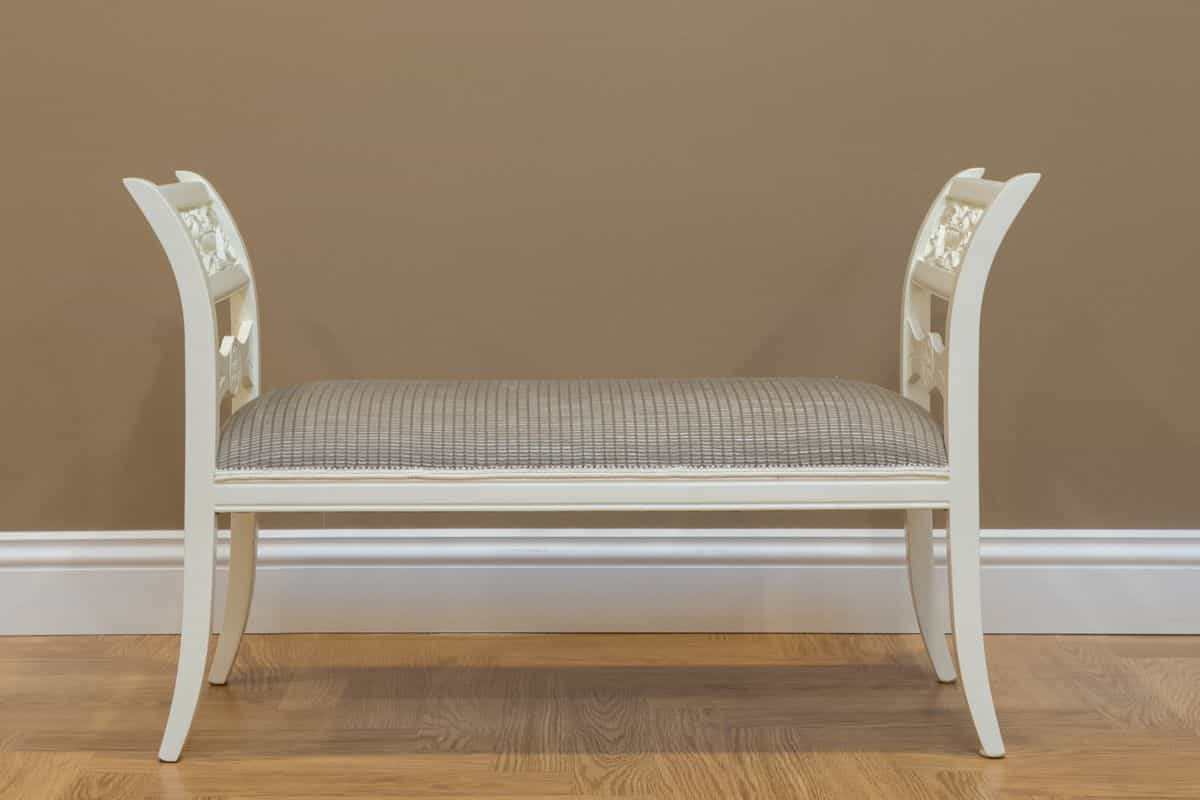
This is where the combo succeeds or fails, and where the mood-boards go quiet. The numbers:
- Width: the mirror should be two-thirds to three-quarters the width of the bench, and never wider than it. For a 36-to-48-inch bench, that is a mirror roughly 24 to 36 inches wide. A mirror wider than the bench looks top-heavy; one less than half its width looks stranded.
- Gap above the seat: leave 8 to 12 inches between the top of the bench and the bottom of the mirror — more than you would over a console, to leave room for a coat hung on the bench, a person sitting, or a row of hooks in between.
- Centre height: land the mirror's centre near standing eye level, about 57 to 65 inches from the floor, and centre it on the bench (not the wall). The same eye-level logic that governs how high to hang a mirror anywhere applies here.
Height is the one place you can break the rules on purpose: a tall, narrow mirror above a low bench deliberately stretches the eye upward and makes a low-ceilinged entry feel taller. Keep the width in the ratio and you can take the height as far up as the wall allows.
One safety note, because the mirror hangs directly above where people sit: anchor it into the wall studs, or use wall anchors rated well above its weight, and hang it from two points so it cannot shift. A mirror over a bench is one you do not want working loose above someone's head. For the full range of shapes and frames to choose from, the guide to entryway mirror ideas, styles, and placement covers the options in depth.
Choosing the Bench: Storage, Upholstered, or Wood
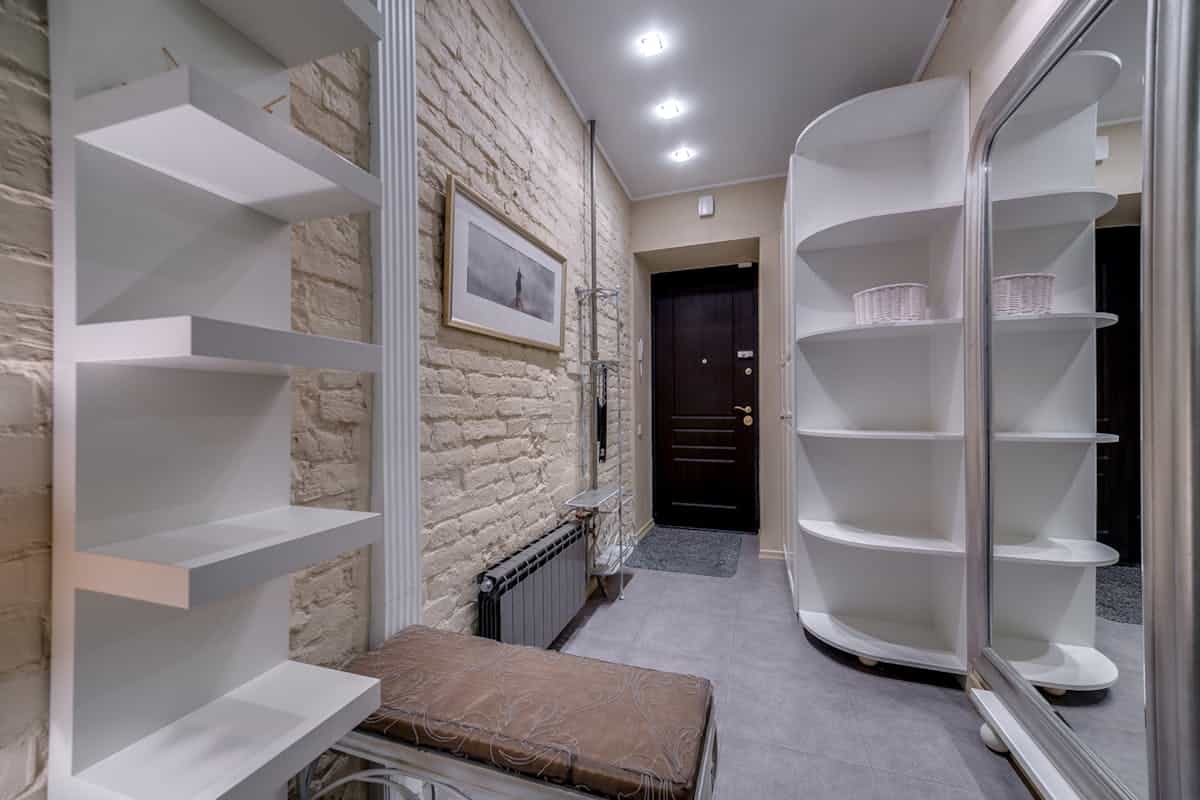
The bench is the workhorse half of the pair. Match it to what your entry actually needs:
- Storage bench (cubbies, lift-top, or open shelf). The most functional choice — shoes go underneath or inside, which is the clutter most entries struggle with. A lift-top hides seasonal items; open cubbies suit baskets.
- Upholstered bench. Softer and more formal, with a cushioned top that is genuinely comfortable to sit on. Best in a dry, low-traffic entry where it won't take wet shoes and coats.
- Solid wood bench. Hard-wearing and forgiving — it shrugs off scuffs, water, and boots. The default for a busy family entry or a mudroom.
A practical sizing note: a bench around 17 to 19 inches high is the comfortable seat height for most adults, and at least 14 inches deep to sit on properly. If floor space is tight, a bench tall enough to slide a basket underneath buys you storage without a deeper footprint.
Five Bench-and-Mirror Combos by Style
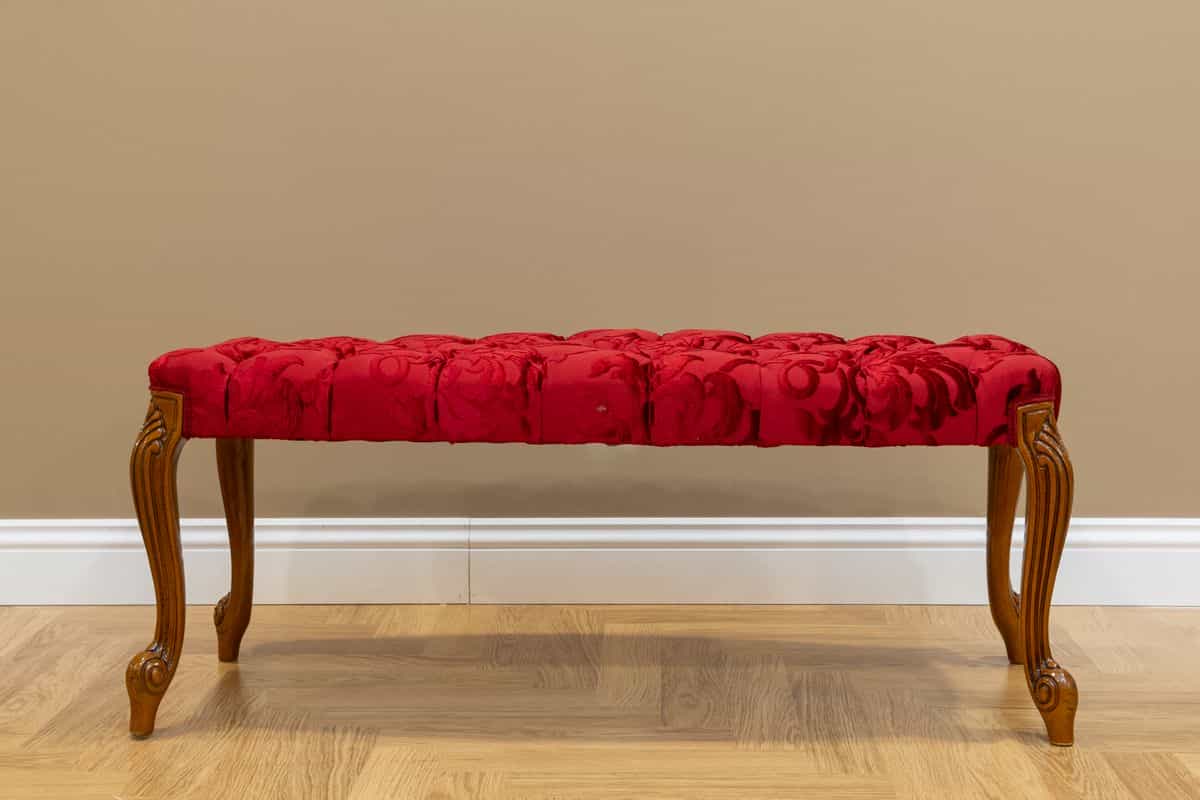
The frame and finish set the tone. Five combinations that consistently look intentional:
- Coastal / rustic. A live-edge or reclaimed-wood bench under a rattan- or rope-framed rectangular mirror. Organic textures, light tones, one large plant.
- Modern minimalist. A sleek grey or black bench with clean lines under a frameless or thin-framed mirror. Let the empty space breathe; one geometric rug.
- Transitional. A natural-wood bench under a rectangular mirror with a brass or gold trim. Warm woods, white walls, a metallic accent to tie it together.
- Modern upholstered. A cushioned bench on slim black spindle legs under a round gold mirror. The round-over-rectangular contrast softens the wall; ambient lighting flatters the metal.
- Farmhouse. A chunky painted or distressed-wood bench, an arched or barn-style mirror, a row of pegs between them, and a basket below for shoes.
Whichever you choose, repeat one finish across the pair — the bench legs and the mirror frame in the same metal, or the wood tones within a shade of each other — so the two pieces read as a set even when they are not.
Adding a Shelf, Hooks, or Basket for the Full Drop Zone
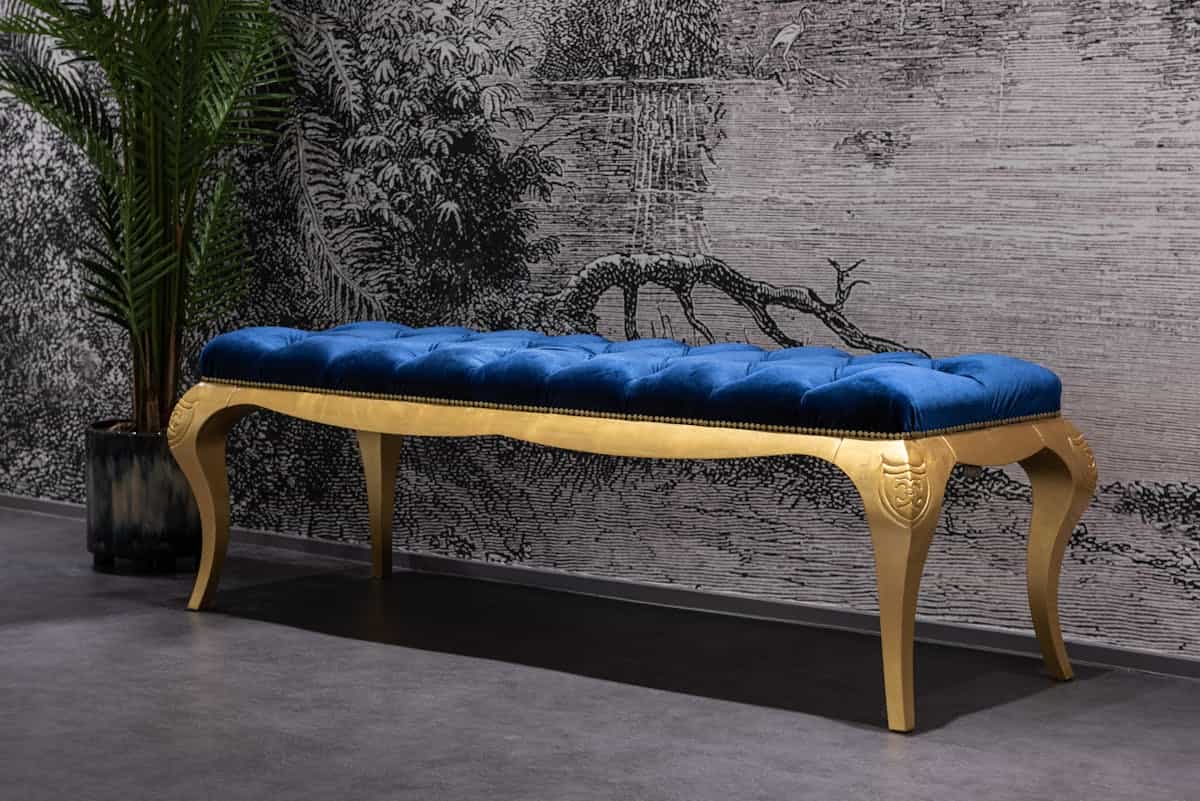
The space between the bench and the mirror is the most underused real estate in the entry — and the easiest upgrade. Three additions turn a good pairing into a complete system:
- A row of hooks. Mounted in the gap, hooks catch coats, bags, and the dog's leash right above where you sit. This is the natural cousin of the entryway mirror with hooks — here the bench replaces the shelf as the surface below.
- A shelf or ledge. A narrow wall mirror with shelf above the bench, or a separate slim shelf between the two, gives keys, phone, and post a home. An entryway mirror with shelf is the single most useful version of the combo, because the keys-and-phone problem is the one that actually drives people mad. If you would rather keep the bench seat clear, a shelf with mirror mounted above does the same job vertically.
- A basket below. Tucked under the bench, a woven basket handles shoes, gloves, or pet gear without anything looking stored.
Stack all of it — bench, then hooks or a shelf, then mirror — and a single wall becomes seating, storage, and a last-look station. The mirror and shelf layered above a bench is, in a small home, as close to a built-in mudroom as you can get without building one.
Buy a Combo or Build It From Separate Pieces?
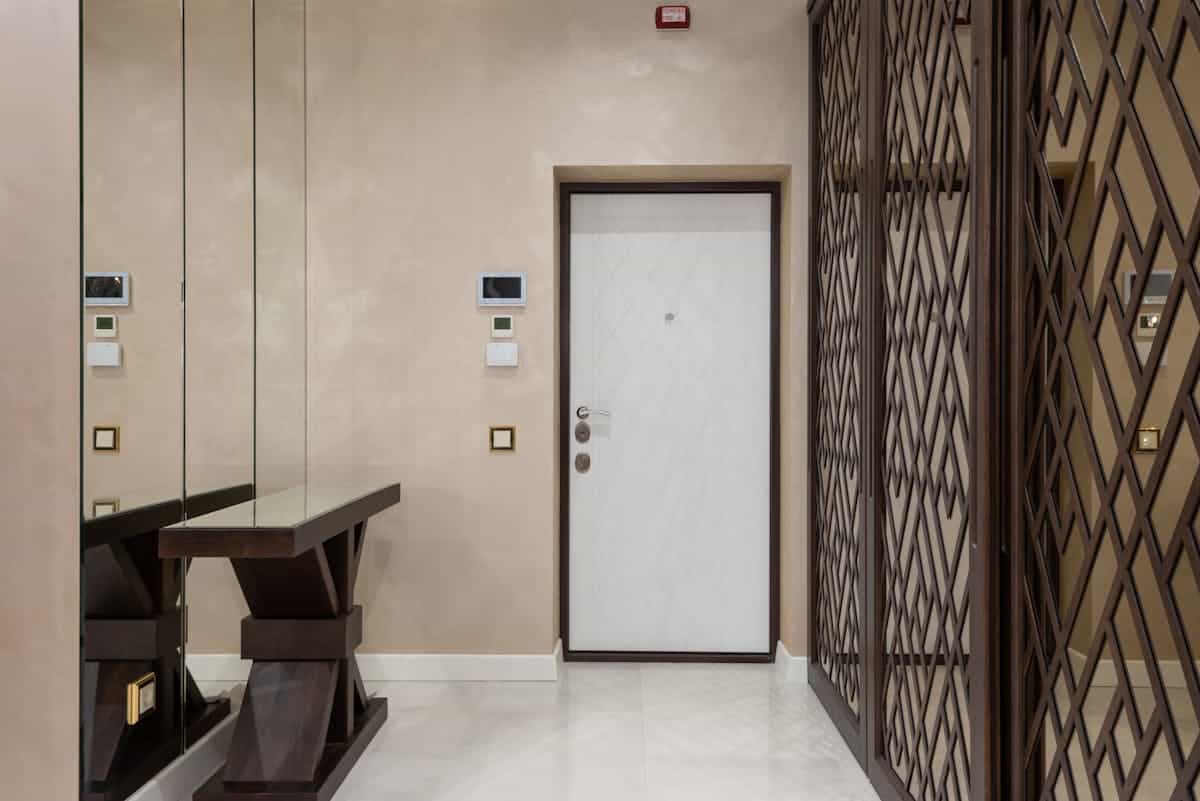
A genuine fork in the road, and the answer depends on how much you enjoy the decisions.
Buy a matched set if you want it solved in one purchase: the proportions are guaranteed, the finishes coordinate, and it arrives looking like a designed unit. Best for renters and anyone who would rather not measure twice.
Build from separate pieces if you want control — the exact bench length for your wall, the mirror shape you actually like, a finish that matches your floor. Building also lets you mix materials, and a deliberately unmatched pair (a raw-wood bench under a sleek black mirror) often looks more collected and less catalogue than a factory set. The cost is that you have to get the sizing right yourself — which is exactly what the measurements above are for.
There is no wrong answer. The set is faster; the build is yours. Both beat a bare wall and a one-legged hop to put your shoes on.
Recommended Products
These are the categories worth comparing for an entryway bench with mirror — prioritise a comfortable seat height, real storage, and a securely hung mirror. (Links go to Amazon search results so you can compare current options.)
- Entryway storage bench — seating plus hidden shoe storage in one footprint.
- Upholstered entryway bench — a softer, more formal seat.
- Wall mirror with shelf — to add a key-and-phone ledge above the bench.
- Round wall mirror (24–36 in) — the flattering shape above a rectangular bench.
- Wall-mounted coat hook rail — for the gap between bench and mirror.
- Woven storage baskets — to tuck under the bench for shoes and gear.
The One Thing to Remember
An entryway bench with a mirror is not two pieces of furniture — it is one system that happens to ship in parts: a seat for the practical job, a mirror for the human one, and the wall between them for everything you carry in and out. Size the mirror to the bench, leave room for hooks or a shelf in the middle, and anchor the glass into something solid above where people sit.
Get that right and the first three feet of your home does the work of a mudroom in the footprint of a hallway. You sit, you check the mirror, you leave with your keys — which is the entire job of an entryway, finally done in one place.
Mirror FAQ
What size mirror should go above an entryway bench?
Aim for a mirror about two-thirds to three-quarters the width of the bench, and never wider than the bench itself. For a standard 36 to 48-inch bench, that means a mirror roughly 24 to 36 inches wide. Height is flexible — a tall mirror adds the impression of ceiling height above a low bench — but keep the width tied to the bench so the two read as one composition rather than two unrelated pieces.
How high should the mirror hang above the bench?
Leave about 8 to 12 inches between the top of the bench seat and the bottom of the mirror, and aim to land the mirror's centre near standing eye level (around 57 to 65 inches from the floor). The larger gap compared with a console is deliberate: it leaves room for coats hung on the bench back, a person sitting down, or a row of hooks between the bench and the mirror.
Do you need a bench in an entryway?
Not strictly, but a bench solves a problem nothing else does: somewhere to sit while you put on or take off shoes, which is awkward to do standing on one leg by the door. If your entry has at least about 18 inches of depth to spare, a bench earns its place — and a bench with storage underneath also handles shoes and bags, doing two jobs in one footprint.
What goes between an entryway bench and the mirror?
The gap between a bench and the mirror above it is prime real estate for a row of hooks or a narrow wall mirror with shelf. Hooks catch coats and bags; a shelf or ledge catches keys, phone, and post. Many people build the full stack — bench below, hooks or a shelf in the middle, mirror on top — which turns one wall into seating, storage, and a last-look station all at once.
Should I buy a bench-and-mirror set or separate pieces?
Buy a matched set if you want a guaranteed-proportional, no-decisions solution and a cohesive look out of the box. Build from separate pieces if you want control over the exact bench size, mirror shape, and finish, or if you are working with an awkward wall. Separate pieces also let you mix materials — a wood bench under a black-framed mirror, say — which often looks more collected than a factory-matched set.
Where should an entryway bench with mirror go?
Against the first long, solid wall you reach as you come in — ideally a side wall rather than the one directly facing the front door. The bench should sit where it is natural to pause and take off shoes, and the mirror should reflect light or a pleasant view rather than the open door or clutter. Make sure the wall takes solid fixings, since the mirror hangs above where people sit.