Feng Shui Bedroom Layout: The Complete 7-Rule Guide
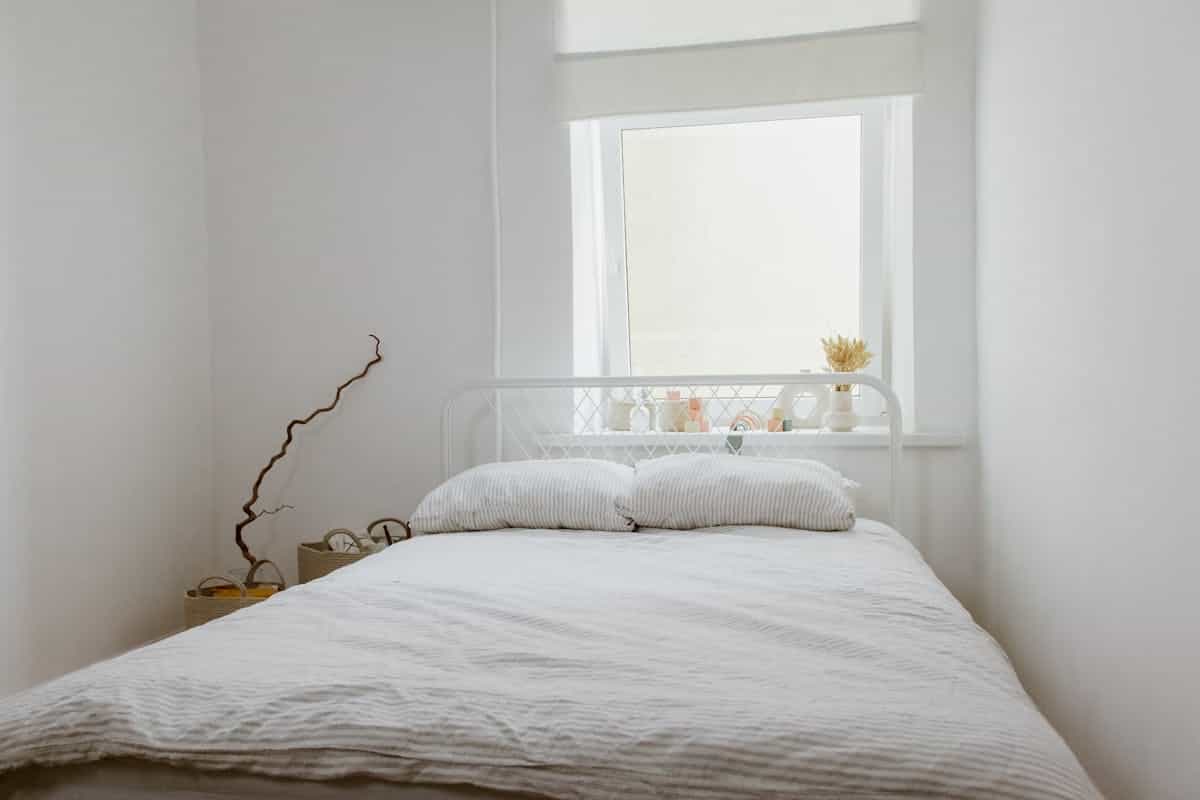
A good feng shui bedroom layout puts the bed in the commanding position — against a solid wall, able to see the door without being in line with it — with a solid headboard, a matching nightstand and lamp on each side, and clear space around it. Then it removes what disrupts rest: clutter, a bed-facing mirror, electronics, and anything stored under the bed. Everything else is refinement.
If you want your bedroom to feel calmer the moment you walk into it, feng shui has a surprisingly practical answer — and most of it comes down to where the bed goes. The full arrangement matters, but the principles stack in a clear order. Here is the whole layout, start to finish, piece by piece, and step by step.
There is one thing worth saying upfront, because it makes the whole guide more useful. The rules of a feng shui bedroom are not all the same kind of claim. Some — the commanding position, the solid headboard, decluttering — have clear psychological support and tend to help whatever you believe. Others — compass head-directions, element colors, Qi flow — are cosmological principles you cannot measure. This guide covers all of it, and tells you honestly which is which.
What "Feng Shui Bedroom Layout" Actually Means
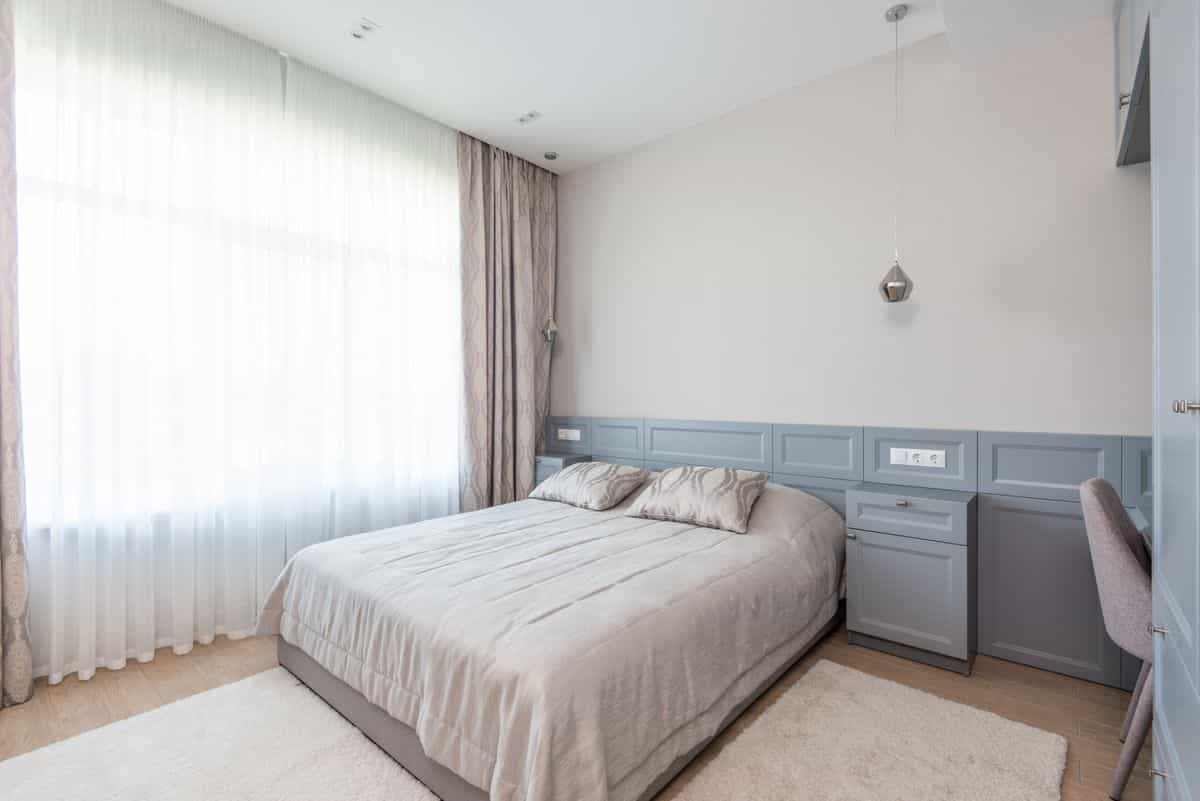
Feng shui is the Chinese practice of arranging a space so that Qi (also written Chi) — the life energy it holds — can move and settle well. The whole system is built on a few ideas: Qi should circulate gently rather than rush or stagnate, and a space should balance yin (the passive, restful, dark, soft quality) against yang (the active, bright, stimulating one).
A bedroom, in this framework, is the most yin room in the house. It is for rest, recovery, and intimacy, so the layout aims to calm energy down rather than activate it. That single idea explains most of what follows: a feng shui bedroom minimises the stimulating (electronics, clutter, bright light, sharp lines) and maximises the settling (a grounded bed, soft symmetry, gentle light, clear floor).
Two things are true at once here, and both are worth stating plainly. Qi is a traditional concept with millennia of consistent practice behind it; it is also not a measurable physical phenomenon like light or heat. The interesting part — and the reason bedroom feng shui has outlasted most decorating fashions — is that a lot of its advice happens to line up with how humans actually rest. We will keep flagging where it does.
The Commanding Position: The One Rule That Matters Most
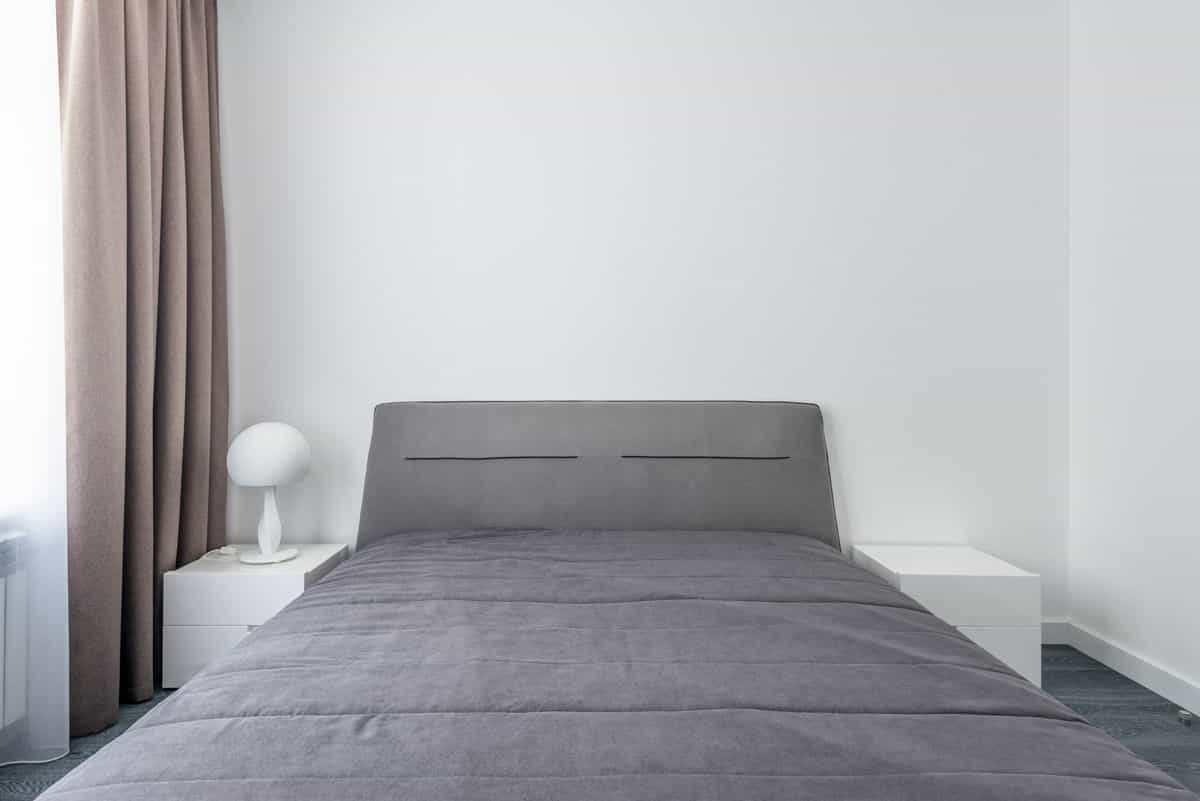
If you do nothing else, do this. The commanding position is the core of every feng shui bedroom layout, and it is the rule with the strongest independent support.
The principle: place the bed so you can see the bedroom door from it without being directly in line with it. Diagonally across from the doorway is ideal — you have a full view of who enters, but you are not in the path of energy (or anything else) coming straight through the door. The placement to avoid is the "coffin position": the bed squarely facing the door with your feet pointing straight out of it, named for the way a coffin is carried feet-first through a doorway.
Here is why this one is more than belief. A person who can see the entrance to a room without facing it head-on feels secure, and a brain that feels secure stops doing the low-level threat-monitoring that keeps you from settling. You relax faster when you are not lying with your back to the door or staring down its barrel. Feng shui arrived at this through Qi; psychology arrives at it through the nervous system; they point at the same bed placement.
A quick reference for orienting the bed relative to the door — call it a feng shui bedroom chart for placement:
| Bed position relative to door | Feng shui verdict | Why |
|---|---|---|
| Diagonally opposite, door in view | Best (commanding) | See the entrance, out of the energy path |
| Same wall as the door | Good | Out of the direct line; door still sensed |
| Directly in line with the door (feet out) | Avoid ("coffin position") | Energy rushes straight at the bed |
| Back of the bed to the door | Avoid | No view of who enters; feels unsafe |
For the deeper version of this and the rest of the room's mirror rules, the feng shui mirror placement guide covers where reflective surfaces help and hurt.
The Headboard and the Walls Around the Bed
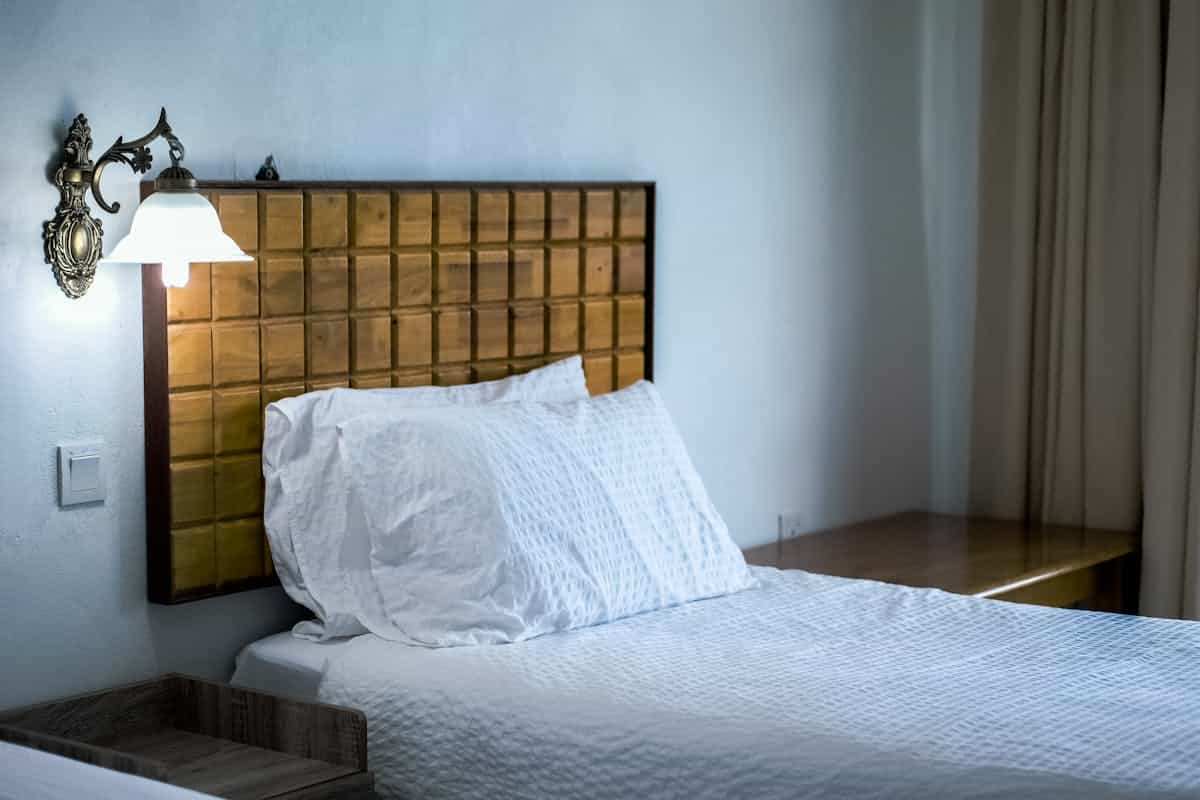
Once the bed is in the commanding position, the bed itself needs support and protection — which in practice means the headboard and the walls.
A solid headboard against a solid wall. Feng shui treats the headboard as a symbol of stability and backing — in life as well as in sleep. The practical reading is just as real: a solid headboard against a wall gives you a defined, protected boundary behind your head, which feels more secure than an open gap or a slatted board you can see through. Choose a solid headboard over an open frame, and anchor the bed to a real wall.
Not under a window. A bed under a window puts your head against glass rather than solid wall — less protection, more draft, more light and noise. If the only place for the bed is under a window, the standard fixes are a solid headboard tall enough to break the line of the glass and heavy curtains to seal it at night.
Nothing heavy overhead. Avoid placing the bed directly under a ceiling beam, a sloped ceiling, or a heavy light fixture. Feng shui calls this "oppressive" energy pressing down; the plainer truth is that sleeping under something visually heavy is subtly unsettling, and — in the case of a poorly mounted fixture — occasionally a real hazard.
Symmetry and Pairs: Why Two Nightstands Beat One
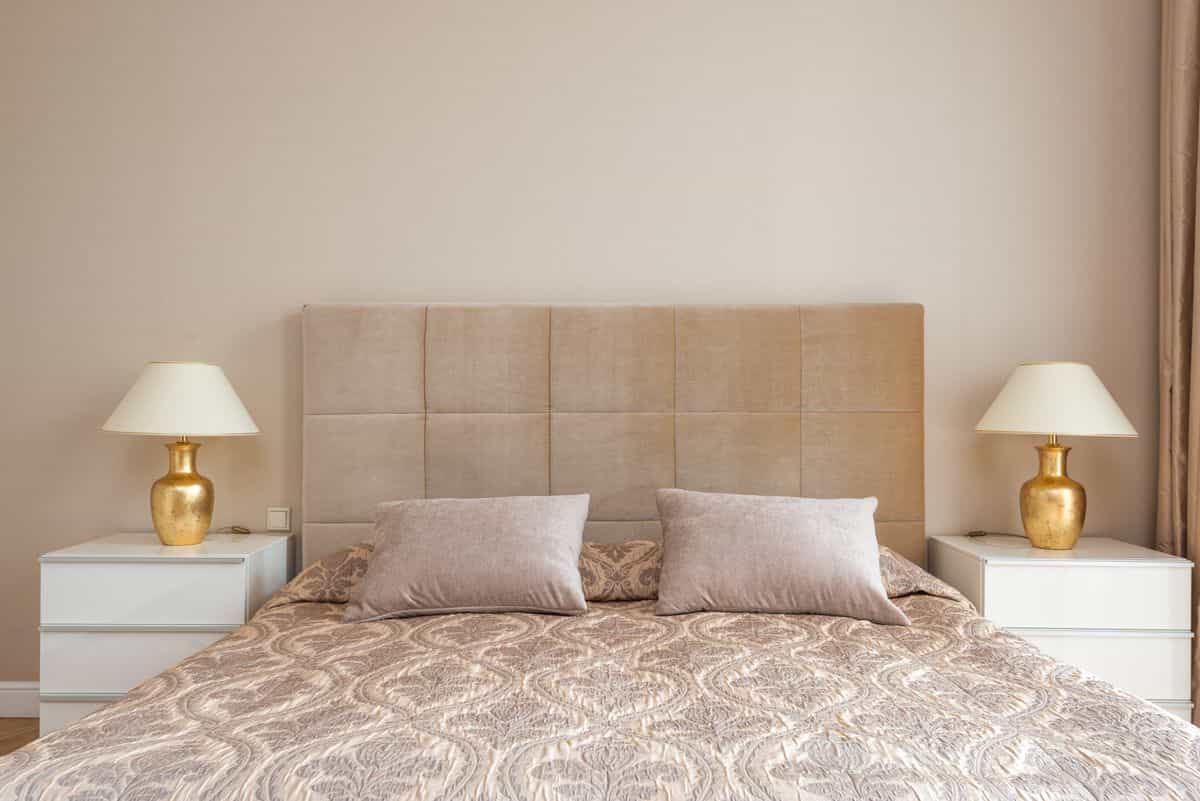
Feng shui loves pairs, and a bedroom is where it matters most. Two matching nightstands, two lamps, balanced space on either side of the bed.
The traditional reasoning is about relationship harmony — paired objects invite partnership and balance, and a single nightstand quietly signals a single occupant. But there is a simpler reason symmetry works: the human eye reads it as calm. A balanced, mirror-image arrangement around the bed gives the brain a stable, predictable composition, and stable compositions are restful. It is the same instinct that makes a centred, even room feel settled and a lopsided one feel faintly off.
Practically: give the bed equal clearance on both sides so two people can get in and out without climbing, put a nightstand and a light on each side, and centre the bed on its wall. Even for one sleeper, the pair reads better than the single.
Energy Flow, Clearances, and Clutter
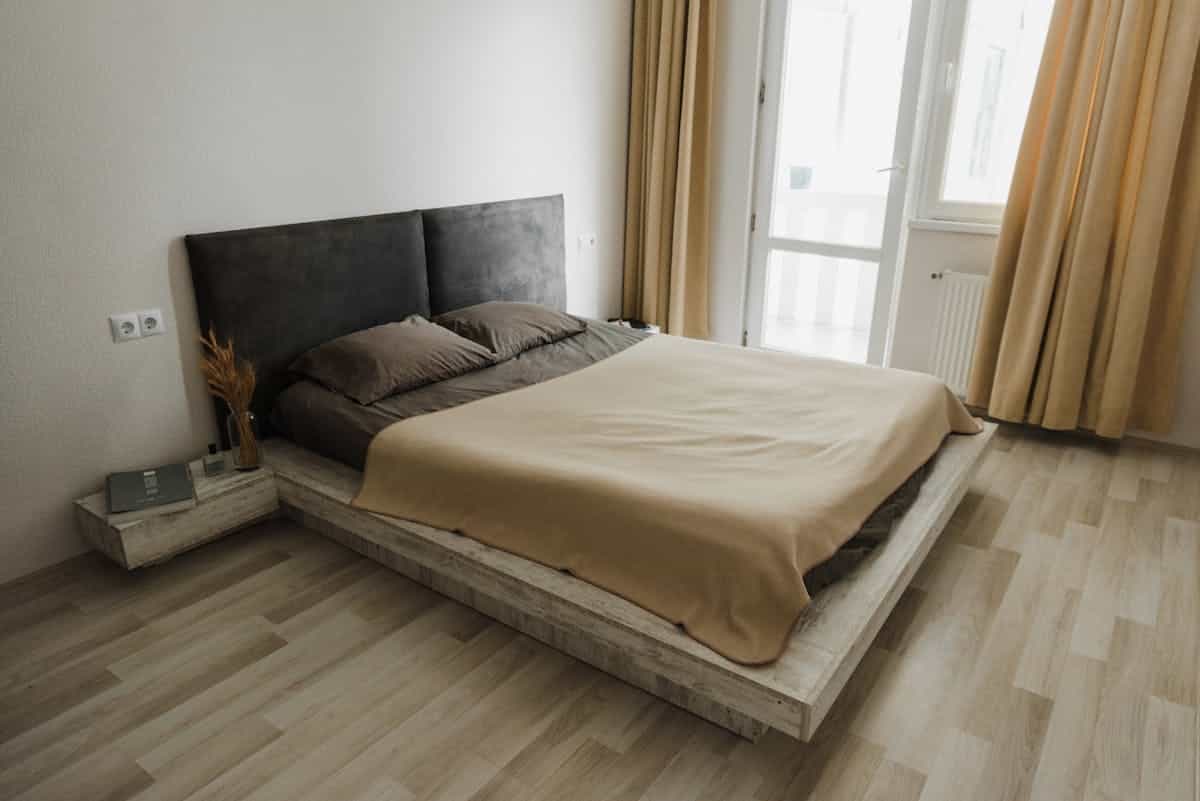
Feng shui asks you to imagine Qi as a gentle breeze that should be able to wander through the room. Block its path and it stagnates; force it through a gap and it rushes. In practice this becomes two concrete rules.
Leave clear pathways. Keep at least 18 to 24 inches of clear walkway around the major furniture, especially both sides of the bed. A room you have to edge around sideways feels stressful whether or not you believe in Qi.
Declutter — especially under the bed. Feng shui holds that clutter traps stagnant energy, and that the space under the bed should stay clear so energy (and rest) can circulate beneath you. The independent version of this is well established: a tidy, low-stimulus bedroom genuinely supports better sleep, and what you store under your head while you sleep is worth keeping minimal. If you must use under-bed storage in a small room, limit it to soft, restful items like spare linens — not paperwork, not exercise gear.
This is also where the evidence is strongest. The broader research on the sleep environment — light, noise, temperature, and order — supports the decluttered, calm, low-electronics bedroom far more firmly than any compass reading does.
Where Each Piece of Furniture Goes: Dresser, Desk, and Seating
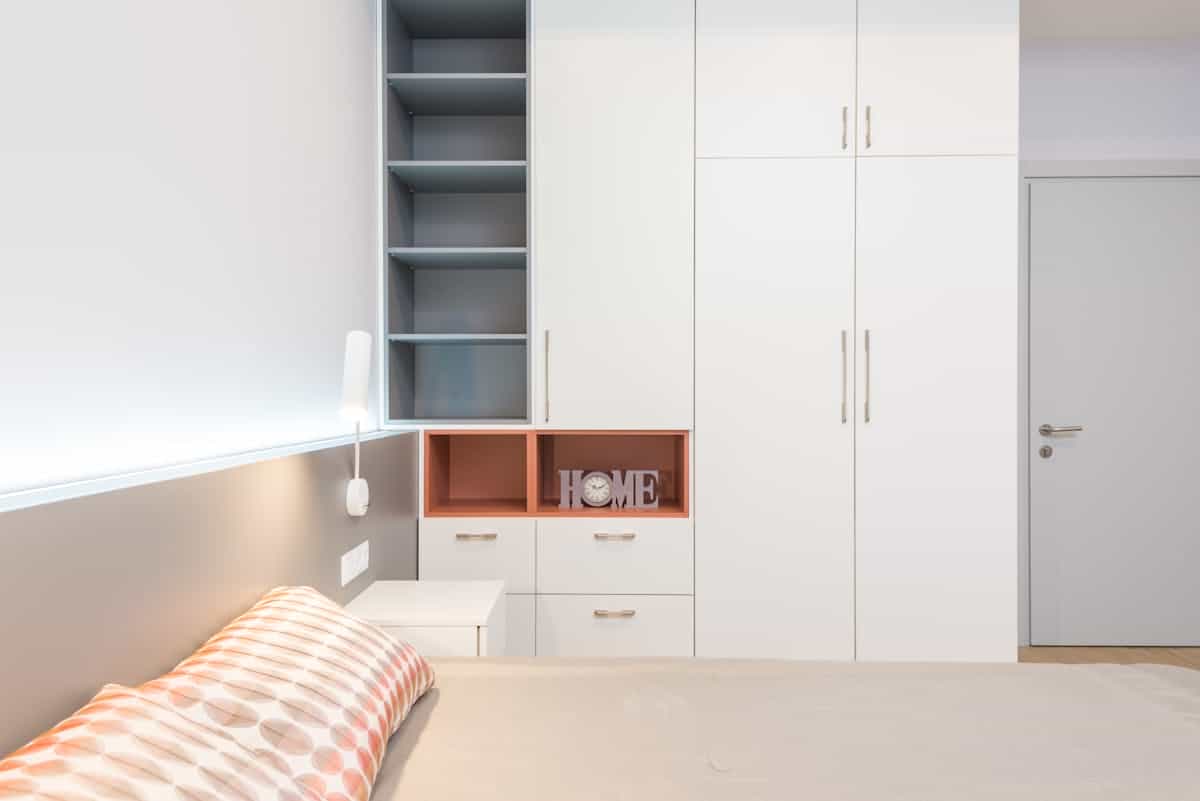
Once the bed, headboard, and nightstands are set, the rest of the room arranges around one test: does the placement keep the walkways clear, the room balanced, and the bed protected? Apply that to each remaining piece.
Dresser and wardrobe. Put tall storage against a solid wall that does not crowd the bed, and keep its top clear or styled with only a few meaningful objects. Storage earns its place in a feng shui bedroom layout by holding what would otherwise pile up — so a dresser is an ally, not a liability, as long as it stays tidy. Two cautions: do not aim a sharp corner straight at the bed (the traditional "poison arrow," and the plainer point that a hard edge at sleeping-eye level is subtly unsettling), and if the piece carries a mirror, angle it so it does not reflect the bed. In a small room, go vertical — a tall wardrobe stores more while freeing floor space. A wardrobe also makes a good buffer beside the head of a bed that must sit near a window, its mass restoring some of the solid-wall feeling the glass takes away.
Desk. Feng shui would rather a desk were not in the bedroom at all, because it imports active, task-oriented energy into a room built for rest — which also happens to be sound sleep advice. If a desk must share the room, set it so you can see the door without sitting with your back to it, keep it as far from the bed as the room allows, and screen it off or cover the work at night. A vanity follows the same logic as any mirror: useful, but angled away from the bed.
Seating and the foot of the bed. A low bench or trunk at the foot of the bed is good feng shui — it grounds the end of the bed and slows energy when a door or window sits beyond the footboard. An armchair belongs in a corner with a clear view of the room, not jammed behind the door or blocking a walkway. A reading corner reads as calm; a chair wedged into a pathway does not.
Clearance and Pathways: The Numbers

Placement is only half the job; the space between the furniture is the other half. Picture Qi as a gentle breeze that should wander, not rush or stall — which in practice means specific clearances.
| Furniture | Recommended clearance | Why |
|---|---|---|
| Each side of the bed | 18–24 inches | Both sides accessible; balance for couples |
| Foot of the bed | 24–36 inches | A clear path and room to make the bed |
| In front of a dresser | 30+ inches | Room to open drawers fully |
| Main walkway through the room | 24–30 inches | People and energy move without squeezing |
| Around a door's swing | Keep fully clear | A blocked door blocks both traffic and Qi |
In a small room, treat these as targets, not laws — a genuinely clear narrower path beats a wide one you have to climb over furniture to reach. The principle (nothing blocks the bed, the door, or the route between them) matters more than the exact inch.
Feng Shui for a Small or Awkward Bedroom
Most feng shui advice assumes a generous room. Real bedrooms are often small, oddly shaped, or have the door, window, and closet all fighting for the same wall. The principles still apply — they just need triage.
Protect the commanding position first. Even in a tight room, try to keep the bed where it can see the door, even if that means it sits closer to one wall than the ideal. A bed that can see the entrance in a cramped room beats a perfectly centred bed with its back to the door.
Accept a narrower walkway rather than a blocked one. The 18–24 inch clearance is a target, not a law. In a small bedroom, a clear 12-inch path on the lesser-used side is better than wedging the bed into a corner — feng shui discourages pushing the bed against a side wall because it traps a sleeper and unbalances the pair, but a slightly tight path keeps both sides usable.
Go vertical to keep the pair. Where two nightstands will not fit, wall-mounted lights or small floating shelves on each side preserve the symmetry without the floor footprint. The balance matters more than the furniture.
Declutter harder. Small rooms punish clutter fastest, and a small feng shui bedroom lives or dies on how clear the floor and surfaces stay. A mirror on a side wall (never facing the bed) genuinely helps here, adding light and apparent depth — the one place a small room and good feng shui fully agree.
What to Avoid in a Feng Shui Bedroom
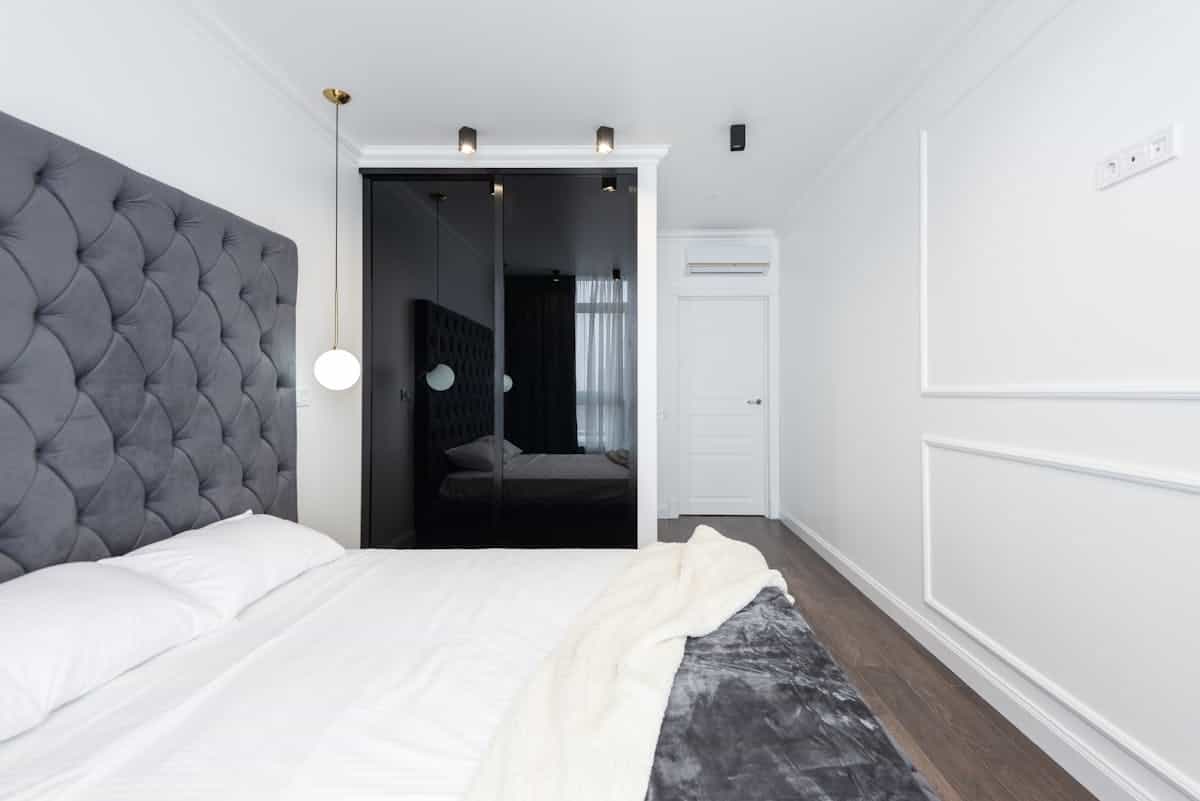
A handful of placements come up as "bad feng shui" in every tradition. Here they are, with the honest reasoning for each:
- A mirror reflecting the bed. The most consistent rule across schools. The traditional explanation is that the mirror bounces energy and startles the sleeping soul; the independent one is the Troxler effect — a reflection half-seen in dim light can keep a half-asleep brain mildly alert. Either way, keep mirrors on side walls. The piece on whether it is bad to sleep facing a mirror covers both readings, and the mirror above the bed guide handles the safety side.
- The bed in line with, or facing, the door. The coffin position again — energy (and your attention) runs straight at you.
- The bed against a bathroom wall, or facing the bathroom door. Bathrooms are seen as draining; the practical issue is noise, plumbing, and damp behind your head.
- Electronics and work materials. TVs, laptops, phones, and desks all import yang, stimulation, and the day's stress into a room meant for rest.
- Sharp corners aimed at the bed ("poison arrows") and spiky plants like cacti — both read as subtly aggressive in a space that should feel soft.
- Bold, stimulating colors and overhead-only light — both push the room toward yang when it wants yin.
Colors, Direction, and the Five Elements
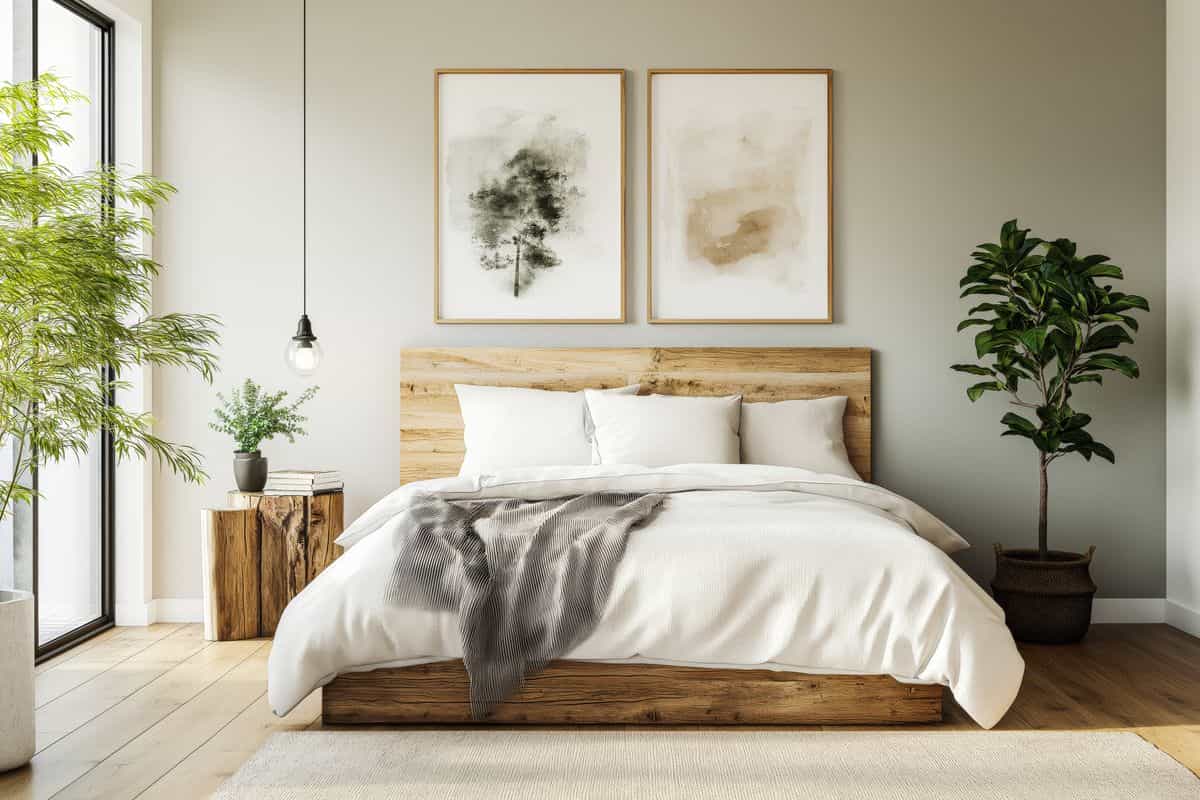
This is the part of feng shui that is most clearly belief rather than measurable effect — which does not make it worthless, only worth labelling.
The five elements — Wood, Fire, Earth, Metal, Water — each carry associated colors and qualities, and a balanced bedroom is said to hold them in proportion. In practice the bedroom-friendly palette is the gentle end of the spectrum: earth tones (beige, tan) for grounding, soft greens (Wood) for renewal, pale blues (Water) for calm, blush and soft pink for warmth and romance, cream and soft grey (Metal) for clarity. The colors to go easy on are the high-yang ones — bold red, stark contrast, neon.
Sleeping direction is the most cosmological piece of all: east for health and growth, south for recognition, southwest or northeast for relationships, north for rest. The honest caveat is that these compass directions frequently conflict with the commanding position — and when they do, the commanding position wins, because it is the part with real psychological backing. Treat direction as a tiebreaker, not a master rule.
A few soft, living touches round it out: a healthy, soft-leafed plant or two for vitality (not a jungle, which over-activates the room), natural fabrics like cotton and linen, and warm, dimmable lighting instead of a single cold ceiling fixture. One honest caveat on the plants — the popular claim that a bedroom plant will "purify your air" overstates the evidence. The study behind it was run in sealed laboratory chambers, not ventilated bedrooms. Keep the plant for the calm and life it brings to the room, not as an air filter.
The senses matter as much as the layout here, and this is where belief and comfort overlap most comfortably. Light: layered, warm, and low after dark — a couple of bedside lamps beat one overhead bulb, and a dimmer does more for a room's yin than any cure. Texture: soft, tactile materials — a rug underfoot, a woven throw, linen bedding — absorb the hard, echoing quality of bare surfaces and make a room feel held. Scent: feng shui leans on calming aromatics like lavender, sandalwood, and rose, and while the energy claim is traditional, the calming effect of a familiar restful scent at bedtime is a real and well-used sleep cue. None of these will fix a badly placed bed — but on top of a good layout, they are what make a feng shui bedroom feel, not just measure, calm.
Colors and direction each deserve their own deep-dive — this guide keeps them brief on purpose, because the layout and the bed do far more of the work.
Which Rules Are Belief, and Which Have Evidence
This is the section most feng shui guides never write, and it is the most useful one. Sorting the rules honestly lets you follow the whole system, or just the parts that hold up, and know which is which.
Rules with independent support (worth doing regardless of belief):
- The commanding position and a solid headboard — security reduces the vigilance that blocks sleep.
- Decluttering, removing electronics, soft lighting — straightforward sleep hygiene.
- No mirror facing the bed — the Troxler effect is real.
- Symmetry — the eye reads balance as calm.
Rules that are traditional belief (coherent, but not measurable):
- Compass-based sleeping directions and the bed-direction chart.
- The five-element color system as a metaphysical balance (the colors are still calming for ordinary perceptual reasons).
- Qi flow as an energy, as opposed to plain comfort and circulation.
Both columns can improve a room. The first column improves your sleep through mechanisms we can name; the second arranges your space according to a tradition that takes rest seriously. Knowing the difference means you are never following a rule you do not understand — which is the opposite of how most feng shui is taught.
How to Feng Shui Your Bedroom, Step by Step
If the full list feels like a lot, the trick is the order — each step makes the next one easier, and you can stop wherever you like with a calmer room than you started with.
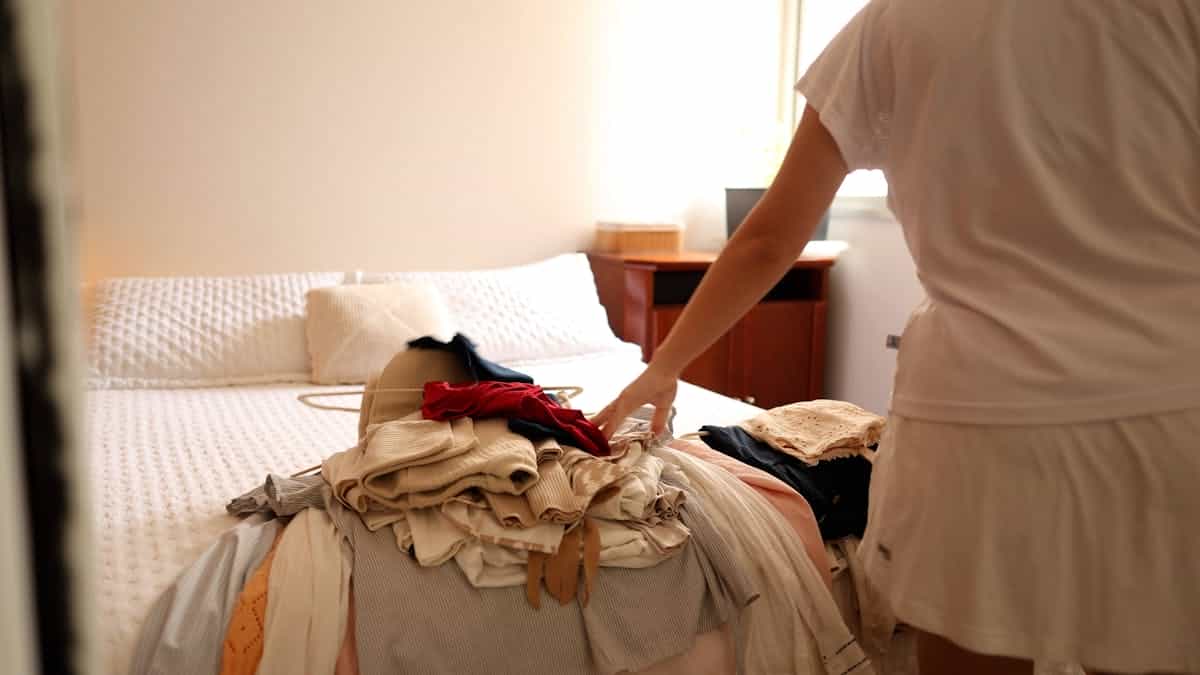
- Clear the whole room first. Before you move a single piece of furniture, empty the clutter — floor, surfaces, and especially under the bed. You cannot place furniture well in a room you can barely walk through, and clearing first lets you see the actual space.
- Move the bed into the commanding position with a solid headboard against a real wall.
- Add the headboard and anchor the bed — solid, rounded edges, against the wall, not floating or under a window.
- Balance the sides — a matching nightstand and lamp on each side, equal clearance.
- Deal with mirrors and electronics — get any mirror off a wall that reflects the bed, and remove or conceal the TV, laptop, and phone.
- Soften the light and colors — warm, dimmable lamps and a calm, muted palette. You do not need to repaint to start; bedding, a rug, and curtains move the color first.
- Then, if you like, fine-tune the five elements, direction, plants, and the smaller cures.
The steps are not equal, and knowing the ranking lets you stop early and still gain most of the benefit:
| Priority | Step | Why it earns the rank |
|---|---|---|
| 1 | Declutter | Real sleep benefit; nothing else works in a cluttered room |
| 2 | Commanding position | Strongest independent support; security aids sleep |
| 3 | Solid headboard | Protection behind the head; calms the nervous system |
| 4 | Pairs + clear walkways | Balance reads as calm; the room becomes usable |
| 5 | Mirrors + electronics | Removes the main sleep disruptors |
| 6 | Colors + warm light | Sets the mood; low cost, do gradually |
| 7 | Five elements + art | Mostly tradition; the pleasurable finish |
Everything in the top half has support outside feng shui. Everything in the bottom half is more belief than measured effect — coherent, harmless, and worth doing if you enjoy it, but not where the real sleep gains are.
The One Thing to Carry Away
A feng shui bedroom layout is, underneath the tradition, a careful answer to a simple question: what makes a person feel safe enough to fully let go at night? Put the bed where you can see the door, give it a solid wall at your back, clear the floor, balance the sides, and turn the lights low. Whether you call the result good Qi or good sleep design, the room does the same thing — it tells your nervous system it is safe to stop watching.
That is the part worth keeping, whichever way you face the bed. The energy is debatable. The feeling of walking into a calm, ordered room and exhaling is not.
Mirror FAQ
What is the ideal feng shui bedroom layout?
The ideal feng shui bedroom layout puts the bed in the commanding position — against a solid wall, with a clear view of the door but not directly in line with it, and with roughly equal space on both sides. Add a solid headboard, a matching nightstand and lamp on each side for symmetry, and keep at least 18 to 24 inches of clear walkway around the bed. Then remove what disrupts rest: clutter, a mirror reflecting the bed, electronics, and anything stored under the bed. Almost every other rule is a refinement of those few.
Where should the bed go in a feng shui bedroom?
Against the solid wall that gives you the widest view of the room and the door without putting the bed directly opposite the door. Diagonally across from the doorway is the classic placement. Avoid the "coffin position" (feet pointing straight out the door), the wall shared with a bathroom, directly under a window, and directly beneath a ceiling beam or sloped ceiling. The goal is a bed that feels protected and lets you see who enters without being in the path of the door.
Which way should your head face when you sleep in feng shui?
Feng shui ties head direction to personal goals — broadly, east for health and growth, south for recognition, southwest or northeast for relationships, and north for rest and calm. These are cosmological recommendations rather than measured effects, and they often conflict with the commanding position. When they do, prioritise the commanding position and a solid headboard, which carry the part of the advice with independent psychological support, over the compass direction.
What should you avoid in a feng shui bedroom?
Avoid a mirror that reflects the bed, the bed directly in line with or facing the door, the bed under a window or a ceiling beam, clutter (especially under the bed), electronics and work materials, sharp-cornered furniture aimed at the bed, and a single nightstand where a pair would balance the room. Bold, stimulating colors and bright overhead-only lighting also work against the restful, yin quality a bedroom is meant to have.
Does feng shui bedroom layout actually work?
Parts of it have clear, independent support and parts are traditional belief. The commanding position, a solid headboard, symmetry, decluttering, removing electronics, soft lighting, and not facing a mirror all map onto real psychology of security and sleep hygiene — they tend to help regardless of whether you accept the energy framework. Compass-based head directions, the five-element color system, and Qi flow are cosmological principles that cannot be measured. A feng shui bedroom usually feels calmer; how much of that is energy versus good sleep design is the honest open question.
How do I feng shui a small bedroom?
Keep the commanding position if you can, even if the bed must sit closer to a wall, and accept a narrower-but-clear walkway rather than blocking it. Declutter ruthlessly — small rooms punish clutter fastest — and use a headboard for grounding. Wall-mounted lights free up nightstand space while preserving the pair, mirrors go on side walls (never facing the bed) to add light and depth, and under-bed storage is best avoided, but if it is unavoidable, limit it to soft items like linens rather than clutter.
How do you feng shui a bedroom step by step?
Work in this order: (1) clear and declutter the whole room, especially under the bed; (2) move the bed into the commanding position against a solid wall, able to see the door without being in line with it; (3) add a solid headboard and anchor the bed; (4) balance the room with a matching pair of nightstands and lamps; (5) move any mirror off walls that reflect the bed and remove electronics; (6) soften the colors and switch to warm, dimmable light; (7) bring in the five elements with plants, wood, and calm art. The first two steps do most of the work.
Where should a dresser go in a feng shui bedroom?
Against a solid wall that does not crowd the bed, with its top kept clear or styled with just a few meaningful objects. A dresser earns its place by holding what would otherwise pile up, so it supports the decluttered room feng shui wants. Avoid aiming a sharp corner straight at the bed (a "poison arrow"), and if the dresser has a mirror, position it so it does not reflect the bed. In small rooms, go vertical — a tall dresser or wardrobe stores more while freeing floor space.
Can you have a desk in a feng shui bedroom?
Feng shui prefers work and sleep to stay separate, because a desk imports active, task-oriented energy into a room meant for rest. If you have no choice, place the desk where you can see the door without sitting with your back to it, keep it as far from the bed as the room allows, and screen it off or cover the work at night — a folding screen or a cloth over the monitor helps the room switch back into a sleeping space.