Best Bed Position for Feng Shui: 6 Essential Placement Rules
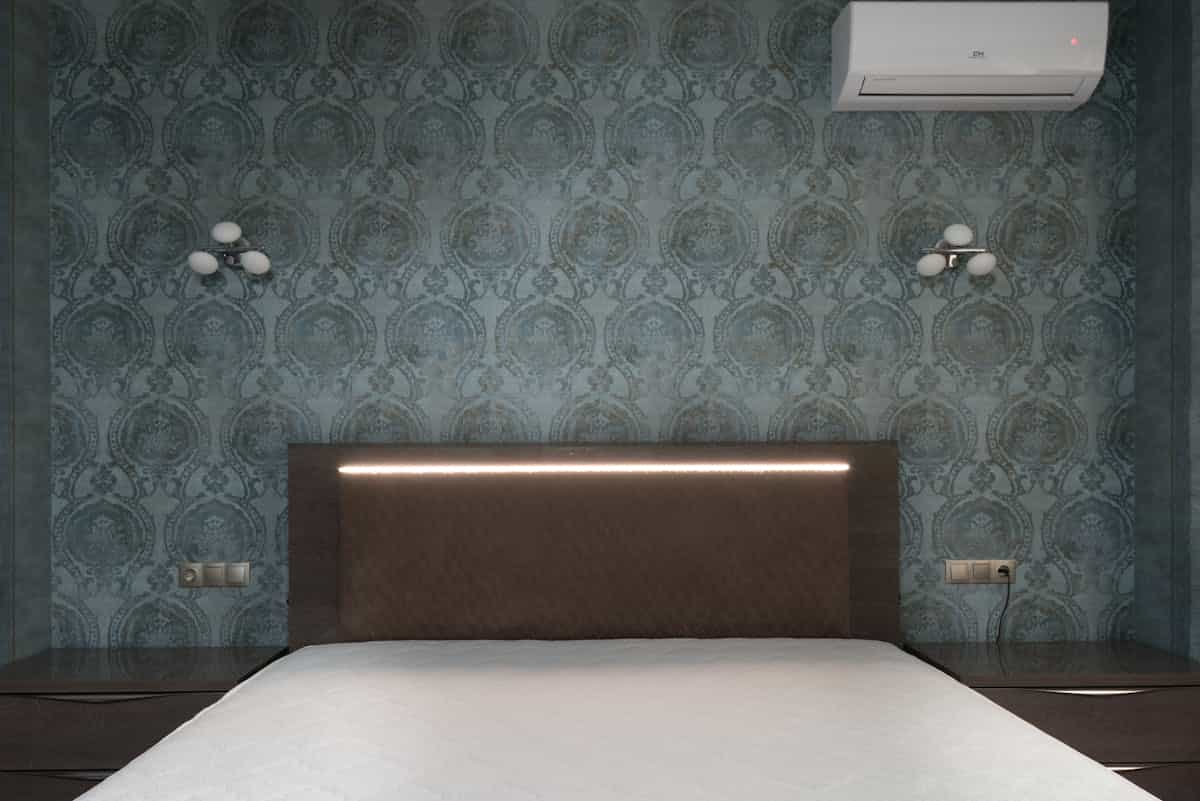
The best bed position for feng shui is the commanding position: a solid headboard against a solid wall, diagonally across from the door so you can see it from bed without being directly in line with it, with clear, roughly equal space on both sides. Get that right first. Then, if you want to refine, point your head toward a favourable compass direction — but never sacrifice the commanding position to chase one.
Where should your bed go for good feng shui? The question has two halves that often disagree — which wall the bed sits against, and which direction your head points — and most guides blur them together. This guide answers the placement half: the wall, the commanding position, and the room. The compass half (your Kua number and the direction chart) has its own home, linked below. Keeping the two separate is what makes the rules usable.
The Commanding Position: The Best Bed Position for Feng Shui
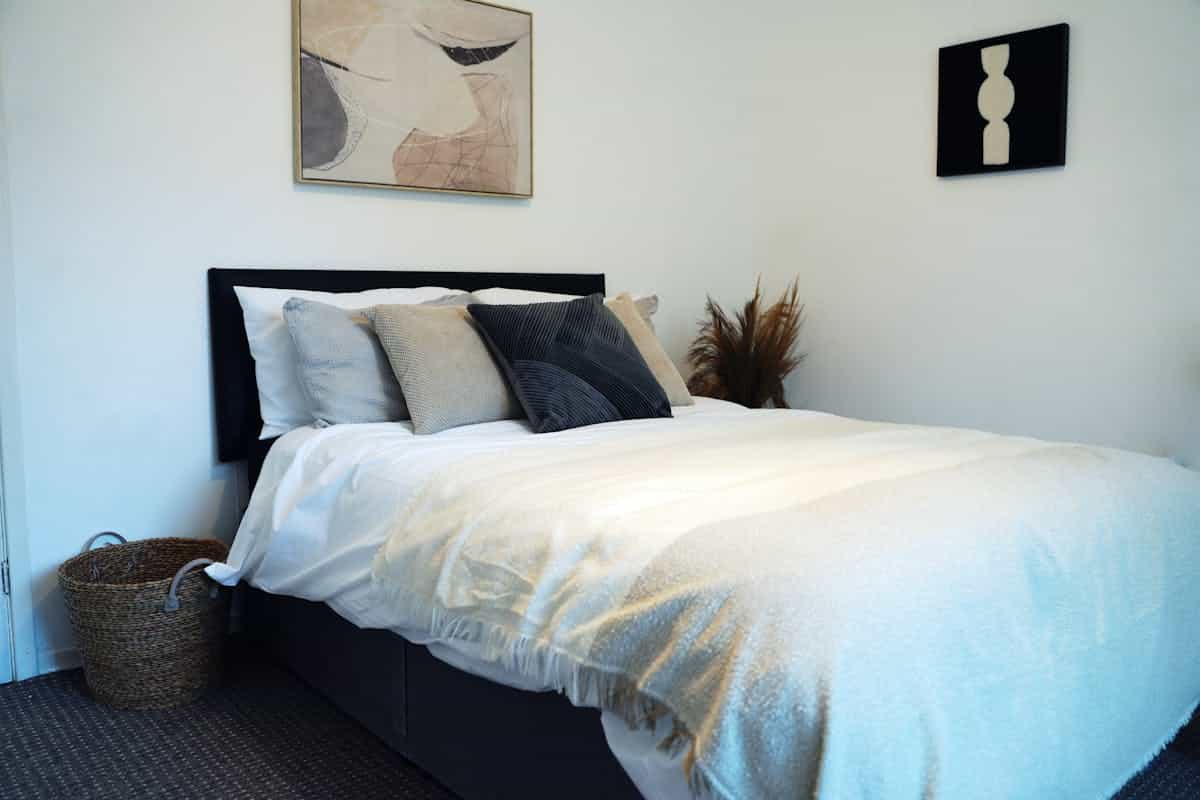
If you remember one rule about where to put the bed, make it this one. The commanding position is the foundation of the best bed position for feng shui, and it is the part with real psychological backing.
The principle: place the bed so you can see the bedroom door while lying down, without being directly in line with it. Diagonally across from the doorway is ideal — full view of who enters, but you are out of the direct path of the door. Being able to see the entrance from a position of support is what creates the sense of safety that lets the nervous system stand down and sleep come easily, which is why this rule survives well beyond the energy framework that produced it.
The placement to avoid has a name: the "coffin position" (also "corpse position") — the bed squarely facing the door with your feet pointing straight out of it, echoing the way a coffin is carried feet-first through a doorway. Energy, in feng shui terms, rushes straight at the bed; in plain terms, you are lying in the room's main thoroughfare.
This is the same principle that anchors the whole feng shui bedroom layout — the bed is the most important object in the room, so it gets placed first and everything else arranges around it.
Which Wall? The Headboard Rule
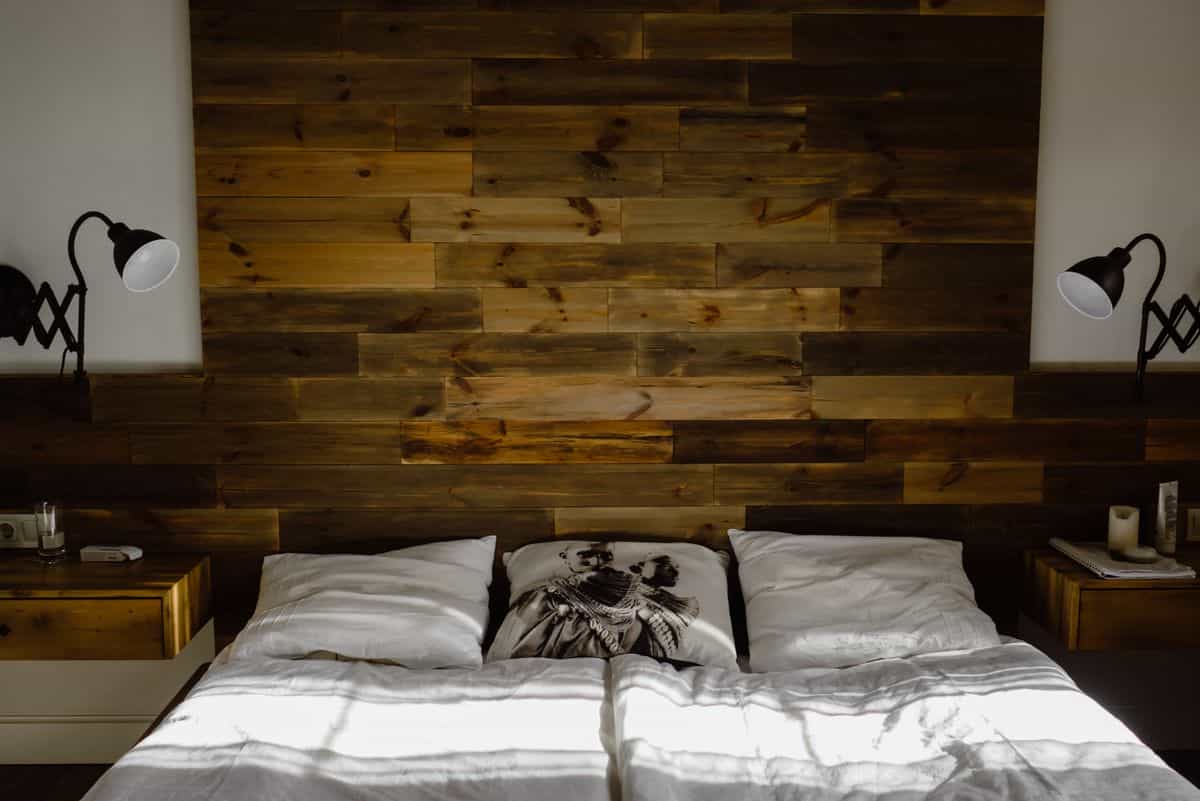
Once you know the bed needs the commanding position, the wall choice follows — and the headboard is the deciding detail.
Pick a solid wall. The headboard should sit against a real, solid wall — never a window, and never floating in the middle of the room. Feng shui calls the wall behind the bed the "mountain": the stable, protective backing behind the sleeper. The independent reading is just as real — a solid wall and a solid headboard give you a defined, protected boundary at your head, which feels more secure than glass, a gap, or open space.
Choose a solid, taller headboard. A solid headboard (wood or upholstered), ideally taller than it is decorative, reads as stronger support than a low or slatted one you can see through. Anchor it firmly so it does not knock against the wall.
Rank your walls. Of the solid walls in the room, choose the one that puts the bed diagonally opposite the door, or at least lets it see the door without lining up with it. Avoid the wall shared with a bathroom (drainage and noise behind your head), and never choose the window wall if a solid one exists.
Bed Positions to Avoid
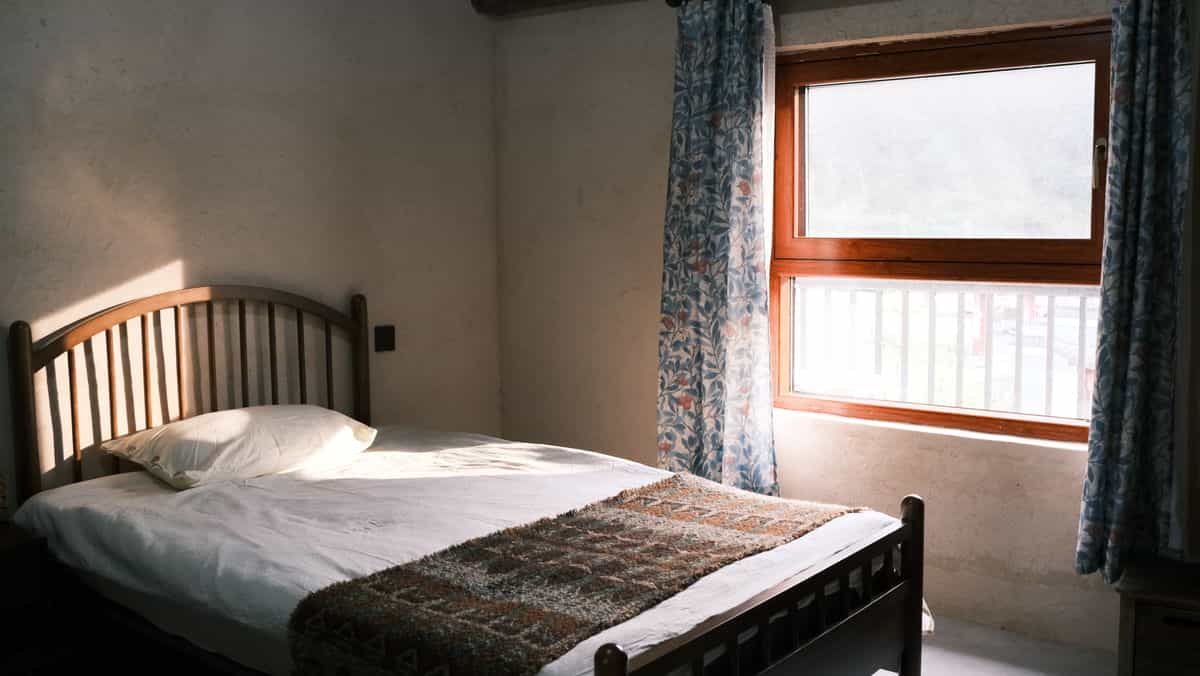
These come up as "bad" placements across every feng shui school, each with a traditional reason and a plain one:
- The coffin position — feet pointing straight out the door. Energy runs at you; you sleep in the doorway's path.
- Under a window — glass behind the head means less protection, more draft, more light and noise. If unavoidable, use a tall solid headboard and heavy curtains.
- Headboard on a bathroom wall — plumbing, damp, and noise behind your head; feng shui sees the bathroom as draining.
- Floating with no wall behind it — no "mountain," no backing, a vulnerable feeling.
- Directly under a ceiling beam or sloped ceiling — "oppressive" energy pressing down; visually heavy and subtly unsettling to sleep beneath.
- In line between two doors, or a door and a window — the bed sits in a through-draft of movement and energy.
- Where a mirror or mirrored wardrobe reflects it — the most consistent restriction of all. Keep reflective surfaces off any wall that catches the bed; the reasoning, belief and evidence both, is in the guide on whether it is bad to sleep facing a mirror and the room-by-room feng shui mirror placement rules.
Where Bed Direction Fits In
There is a second half to all of this — the compass direction your head points toward as you sleep — and it is the part people most often confuse with placement. It is a genuinely separate question, set by your personal Kua number rather than by the walls of the room, so it has its own home: the feng shui sleeping direction guide covers the full Kua chart, the south-good and north-avoided general rule, and how to calculate your own number.
One thing is worth carrying back here, though, because it decides everything: your favourable direction frequently conflicts with the commanding position. When the two disagree, the commanding position wins — for the reason the final section makes plain.
Clearance and Couples: Both Sides of the Bed

Where the bed sits relative to the walls matters too, especially for couples.
Leave space on both sides. Aim for 18 to 24 inches of clear floor on each side of the bed, and a minimum of a few inches even in a tight room. Pushing the bed against a side wall so one person has to climb over the other is poor feng shui — and poor marriage logistics. Both sleepers should be able to get in and out from their own side.
Balance the sides. Equal clearance, a nightstand on each side, a lamp each. The symmetry reads as calm and, in relationship terms, signals equal space for two people. A single nightstand against a wall on the other side quietly unbalances the room.
This is the feng shui bed placement direction detail couples most often get wrong: the "best" wall for one person's compass direction sometimes forces the bed into a corner. A centred, two-sided bed almost always beats a corner-jammed one pointing the "right" way.
How to Fix a Room Where the Right Wall Doesn't Exist
Real bedrooms rarely offer a perfect wall. Here is what to do when the room fights you:
- The only solid wall faces the door head-on. Shift the bed slightly off-centre so it is not dead-in-line, and place a substantial piece of furniture or a round rug between bed and door to slow the path. A footboard helps too.
- The bed must go under a window. Use a tall, solid headboard that rises above the sill and heavy or blackout curtains to "close" the wall at night.
- A beam crosses above the bed. Drape fabric to soften it, or — most simply — shift the bed so the beam does not run directly over the sleeping body.
- A small room offers no good diagonal. Keep the priority on seeing the door from a supported bed; accept a closer wall and a narrower (but clear) path rather than blocking the route or floating the bed.
The goal is never perfection. It is to recover as much of the commanding position — view of the door, solid backing, clear sides — as the room allows.
Position vs Direction: Which Actually Matters More
This is the question every other guide dodges, so here is the straight answer, sorted honestly.
The commanding position has independent support. Seeing the entrance from a supported, protected bed reduces the low-grade vigilance that keeps people from settling — a real effect on a real nervous system, consistent with what is known about the sleep environment and feeling safe. This is the part of feng shui bed placement you can expect to feel.
Compass direction is traditional belief. The kua-number system within feng shui is internally coherent and centuries old, but there is no measured effect of pointing your head north versus east. That does not make it pointless — it is a meaningful framework for people who hold it — but it should not override the placement that demonstrably affects rest.
So the rule when they conflict is simple: position first, direction second. The best bed position for feng shui is the one where the bed commands the room and rests against a solid wall; then, among the orientations that still satisfy that, you pick the most favourable direction you can. If your best direction and your best wall happen to align, lucky you. If they don't, sleep where you feel safe and let the compass lose. The bed you can relax in beats the bed that points the right way and keeps you watching the door.
The One Thing to Carry Away
The best bed position for feng shui looks like two competing rulebooks — walls versus compass — but they rank cleanly once you know which one your body actually responds to. Put the bed where it can see the door from the safety of a solid wall, give both sleepers room, and only then think about which way your head points.
A bed in the commanding position pointing a "bad" direction will still let you sleep. A bed pointing the perfect direction with its back to the door usually won't. When the rules disagree, trust the one you can feel.
Mirror FAQ
What is the best bed position for feng shui?
The commanding position: the bed against a solid wall, diagonally across from the bedroom door, so you can see the door while lying down without being directly in line with it. Add a solid headboard, keep the bed out from under windows and ceiling beams, and leave roughly equal, clear space on both sides. This placement is the single most important feng shui bed rule, and it outranks compass direction whenever the two conflict.
Which way should your head point when you sleep in feng shui?
That is a compass question, separate from where the bed physically goes — and it deserves its own answer. In short, feng shui ties the best head direction to your personal Kua number, with south and east favourable for most people and due north the one to avoid. These are traditional associations, not measured effects, so treat direction as a tiebreaker after the commanding position is satisfied. The full Kua chart and calculation are covered in the dedicated feng shui sleeping direction guide.
Which wall should the bed go against for feng shui?
A solid wall behind the headboard — never a window, and not floating in the middle of the room. Of the solid walls available, choose the one that lets the bed see the door without lining up directly with it, usually the wall diagonally opposite the doorway. Avoid the wall shared with a bathroom, the wall directly in line with the door, and any spot under a ceiling beam or sloped ceiling.
What bed positions should you avoid in feng shui?
Avoid the "coffin position" (feet pointing straight out the door), the bed under a window, the bed with its headboard on a bathroom wall, the bed floating with no wall behind it, the bed between two doors or a door and a window in line, and the bed directly under a ceiling beam or sloped ceiling. Each is thought to expose the sleeper or pull energy across them; most also have a plain-comfort reason behind them.
Does feng shui bed direction really matter, or just position?
Position and direction are different claims with different support. The commanding position — seeing the door from a supported bed — maps onto a real sense of security that helps people relax, so it tends to help regardless of belief. Compass direction by kua number is a traditional cosmological system with no measured sleep effect. Both can be part of your layout, but when they conflict, prioritise the commanding position; it is the part doing the work you can actually feel.
Where do you put the bed in a small bedroom for feng shui?
Keep the commanding-position priority — a clear view of the door from a supported bed — even if the bed must sit closer to a side wall than ideal. Accept a narrower but clear path on the lesser-used side rather than blocking it, use a solid headboard for grounding, and avoid storing clutter under the bed. A small room rewards getting the position right far more than chasing the perfect compass direction.