How to Cleanse a Mirror of Negative Energy: 8 Spiritual Methods
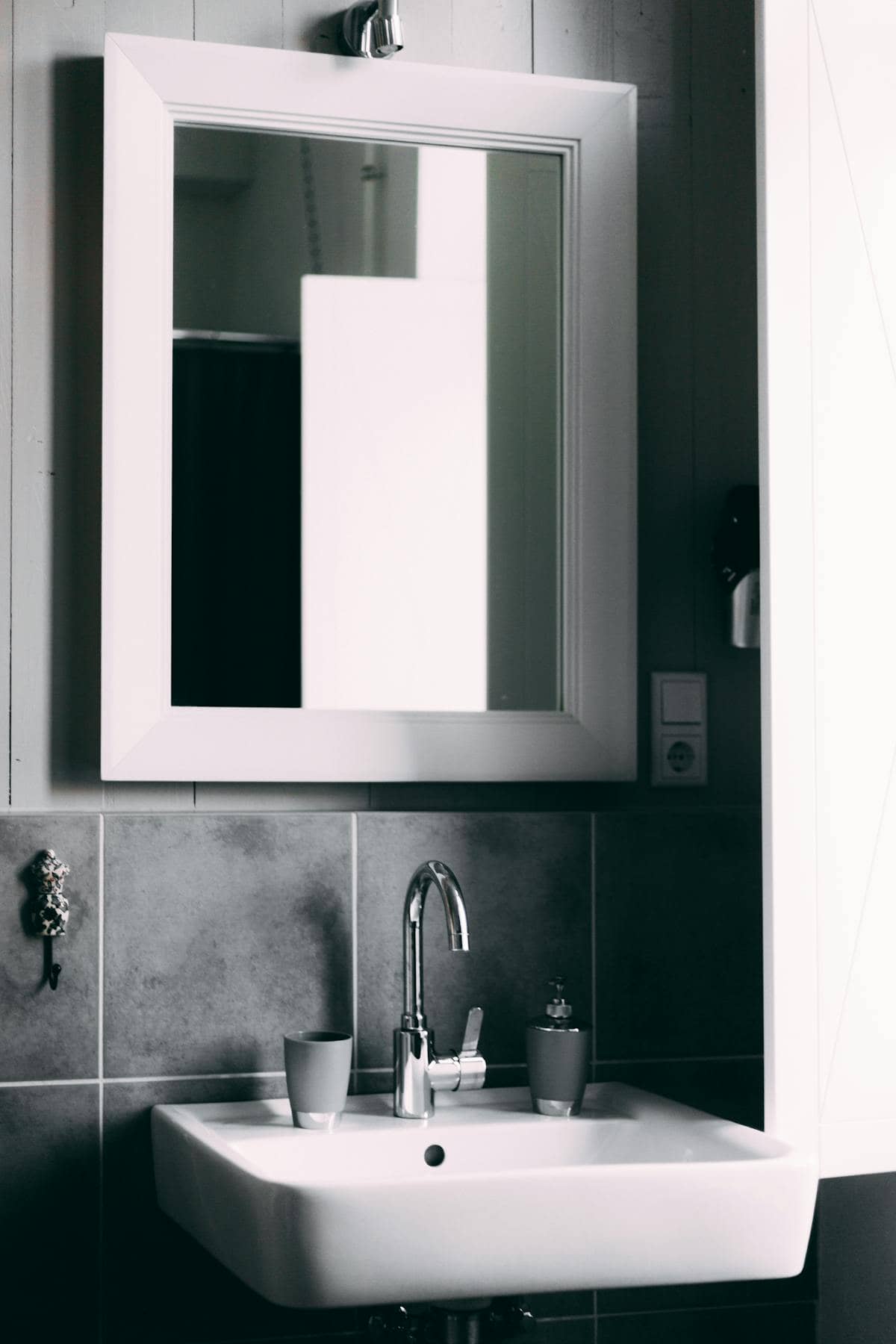
You cleanse a mirror spiritually by pairing a physical reset with a clear intention—smoke and open air, salt water carefully applied, sunlight or moonlight, sound, soap and water, a diluted spray, a passive salt bowl, or a deliberate secondhand reset—because the object is real even when the language of energy is not something physics tests for. Mirrors bounce light according to well-described rules (mirror optics in brief); traditions across centuries treated reflective surfaces as strangely alive, which is how practices like catoptromancy and household superstitions stayed in circulation (superstition as a category). If you want both honesty and ceremony, hold those two truths at once.
Why Do People Cleanse Mirrors If the Glass Is Just Doing Its Job?
Many traditions say mirrors absorb emotion, argument residue, or visitation from work you did at the altar. None of that appears on a physicist’s datasheet. I still find the practices worth taking seriously as human technologies: repetition, focus, and a cleaner surface really do change how a room feels. If your mirror is a spiritual tool in your home, maintenance is part of fidelity to the relationship, the same way you would not ignore a bent bicycle wheel because the metal is still technically there.
The cross-cultural plot twist is familiar from other mirror essays on this site: the same fracture can mean curse or release depending on where you stand. Cleansing sits in that tension—it is not proof of stored negativity, and it is not nothing if it changes how you enter the room.
Method 1: Smoke Cleansing With Ventilation
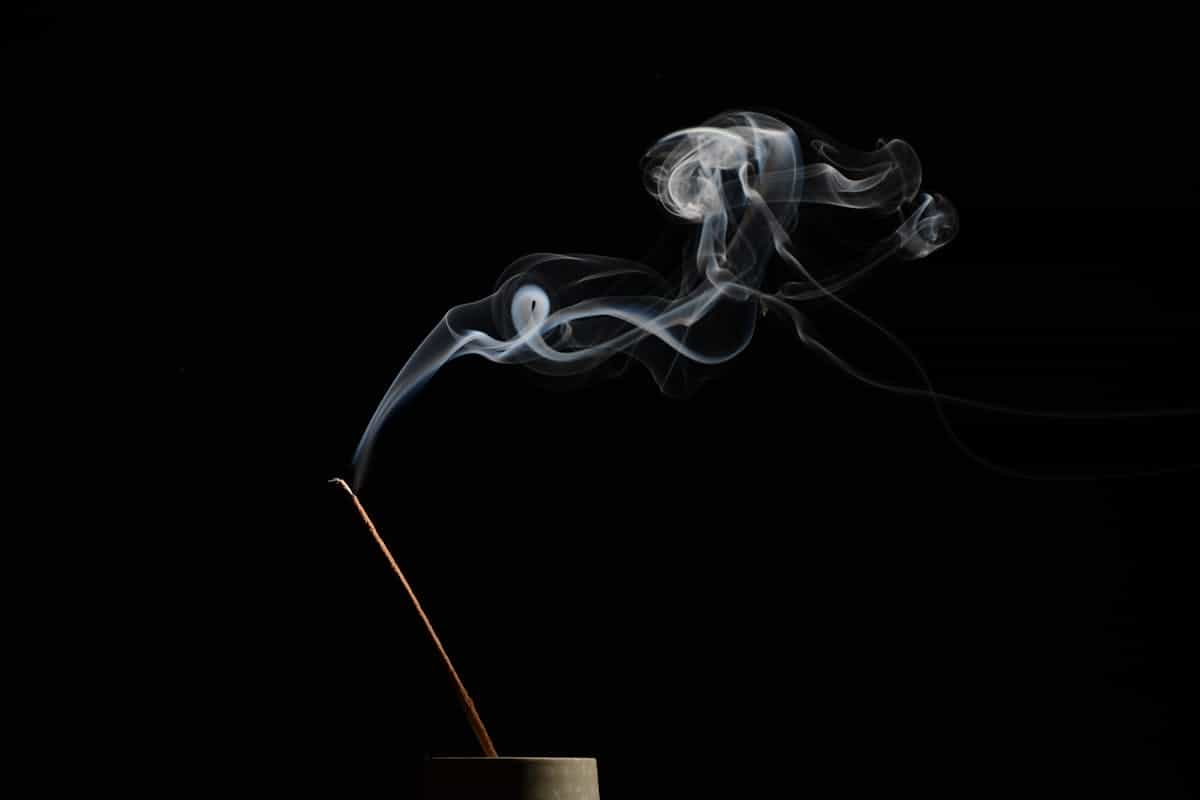
Belief layer: smoke carries off what you cannot name. Evidence layer: smoke deposits particles; fresh air exchanges volatile compounds. Do both.
- Open at least one window or door before you light anything.
- Light ethically sourced herbs or resin—cultivated white sage, cedar, frankincense, sandalwood, or whatever your lineage recommends.
- Move the mirror’s face through the smoke in slow passes; catch corners and frame joins where dust hides.
- Close the ritual by airing the room until your nose no longer dominates the space.
If you rent or share walls, a smokeless Electric diffuser is not the same ritual, but it respects neighbors and detectors.
Method 2: Salt Water Wipe (With Honest Material Safety)
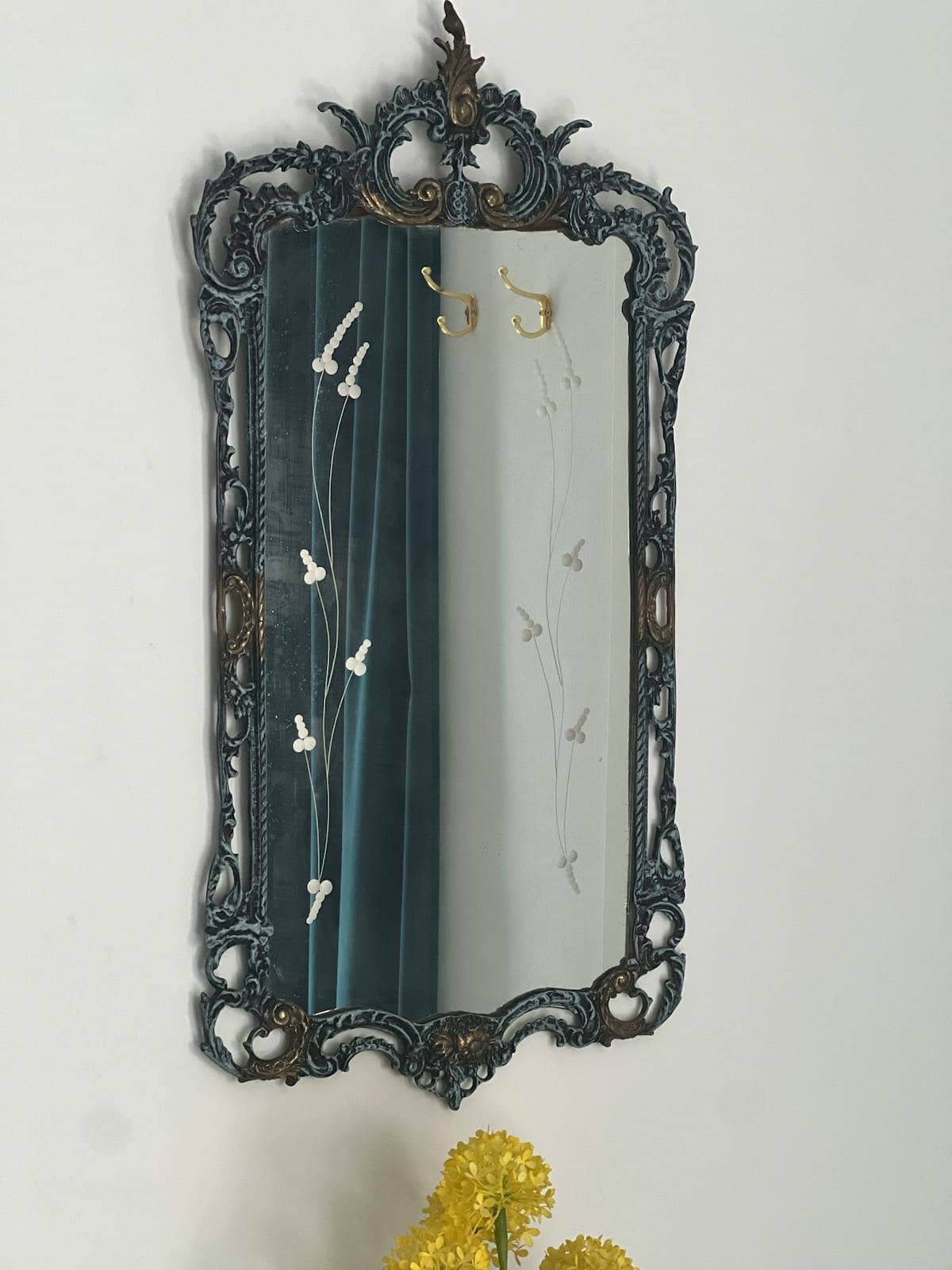
Belief layer: salt draws and binds. Evidence layer: salt is corrosive to certain metals and can streak coatings.
- Dissolve a small spoon of sea salt in warm water; use a lint-free cloth, not a dripping sponge.
- Wipe vertical or circular strokes; speak your intention plainly if language helps you focus.
- Rinse with plain water if your frame tolerates it, then dry completely—trapped moisture ruins backing over time.
- Skip or modify this method for silver mirrors, gilt frames, or heirlooms; use sound or dry salt instead.
Method 3: Sunlight or Moonlight Exposure

Belief layer: celestial light clears what indoor lamps cannot. Evidence layer: UV can fade finishes; temperature swings stress old glass.
- Place a portable mirror on a safe surface outside for a few hours of morning sun, or on a windowsill if weather refuses.
- For moon exposure, a secure sill facing the sky beats balancing glass on a railing.
- Pad the contact points so the frame does not scratch; bring it in before dew settles unless you want extra drying work.
- Inspect coatings afterward—if anything looks stressed, shorten the next session.
This pairs naturally with Feng Shui questions about placement because where light hits also changes sleep and glare patterns, not only folklore.
Method 4: Sound—Bowls, Bells, Voice

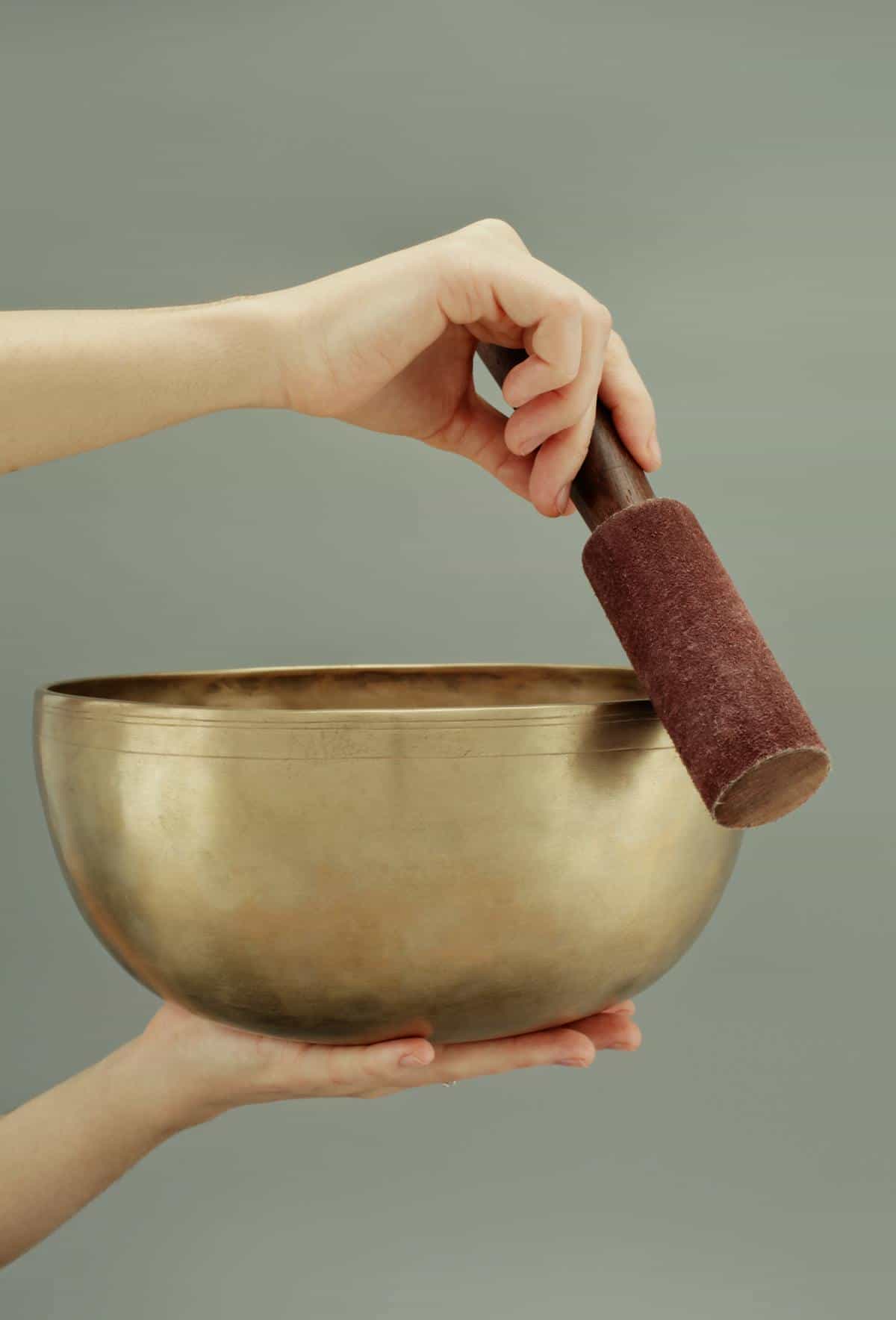
Belief layer: vibration shatters stagnation. Evidence layer: sound is mechanical vibration; loud bells annoy neighbors.
- Ring a bell or singing bowl near the face of the mirror; let the tone decay naturally.
- Move in a circle only if you will not knock the glass—centered stillness beats theatrics that risk a crack.
- Chant a short line you already trust; repetition counts more than poetic perfection.
- Stop early if animals, babies, or housemates flinch—protect hearing along with metaphor.
Method 5: Physical Wash With Plain Soap and Water
Belief layer: physical dirt is not separate from energetic grime. Evidence layer: clean glass literally changes reflections.
- Use a gentle glass cleaner or mild soap; avoid ammonia fogging antique silvering if you are uncertain.
- Wipe in consistent strokes; polish dry before you inspect streaks.
- Speak intention during the wipe or stay silent—your nervous system does not require poetry to register focus.
- Check the frame and backing for lifting; water ingress is the main material risk, not the words you say.
Method 6: Diluted Herbal or Floral Water Spray
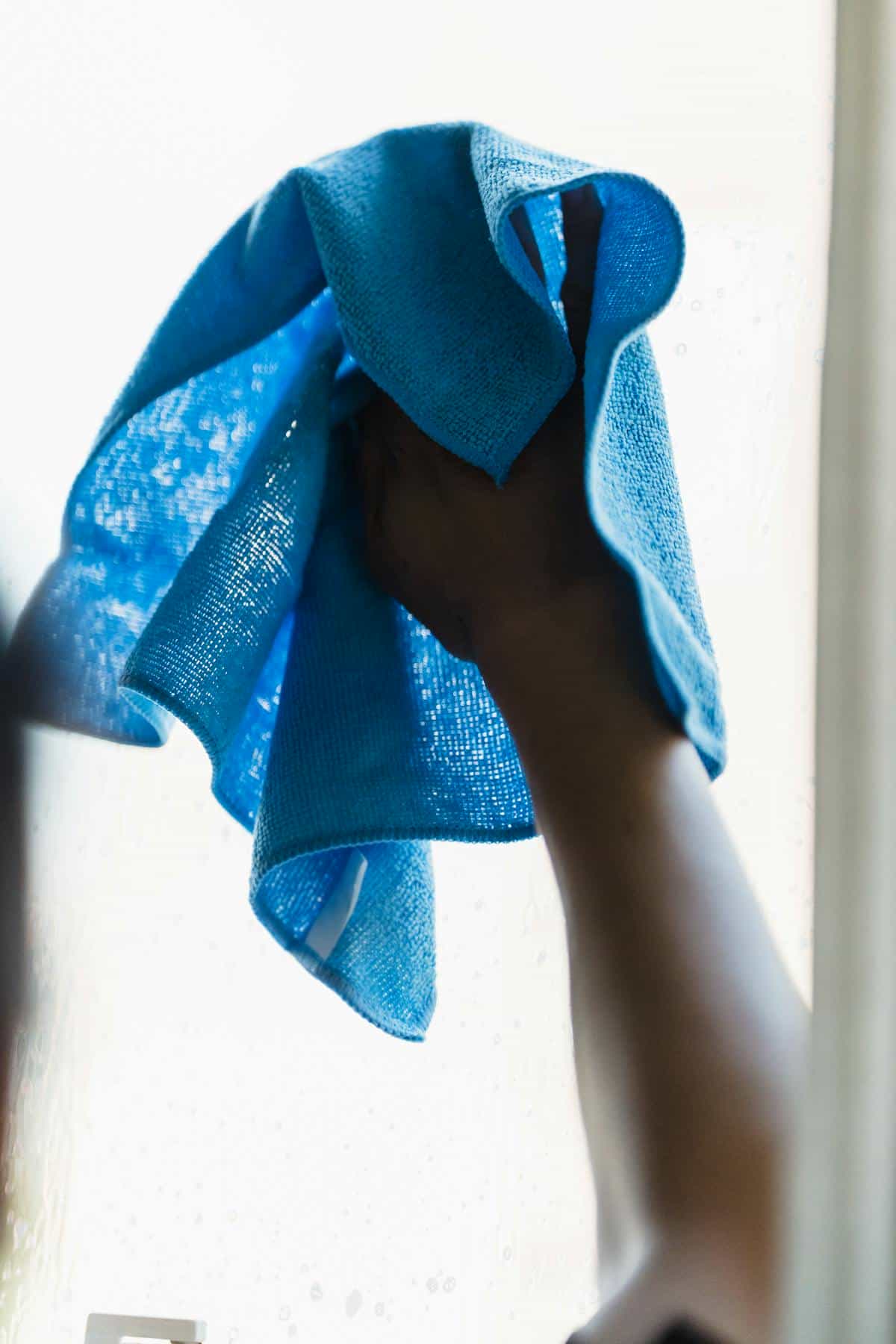
Belief layer: plants carry correspondences—rosemary for clarity, lemon for cutting heaviness. Evidence layer: oils can strip finishes; dilution matters.
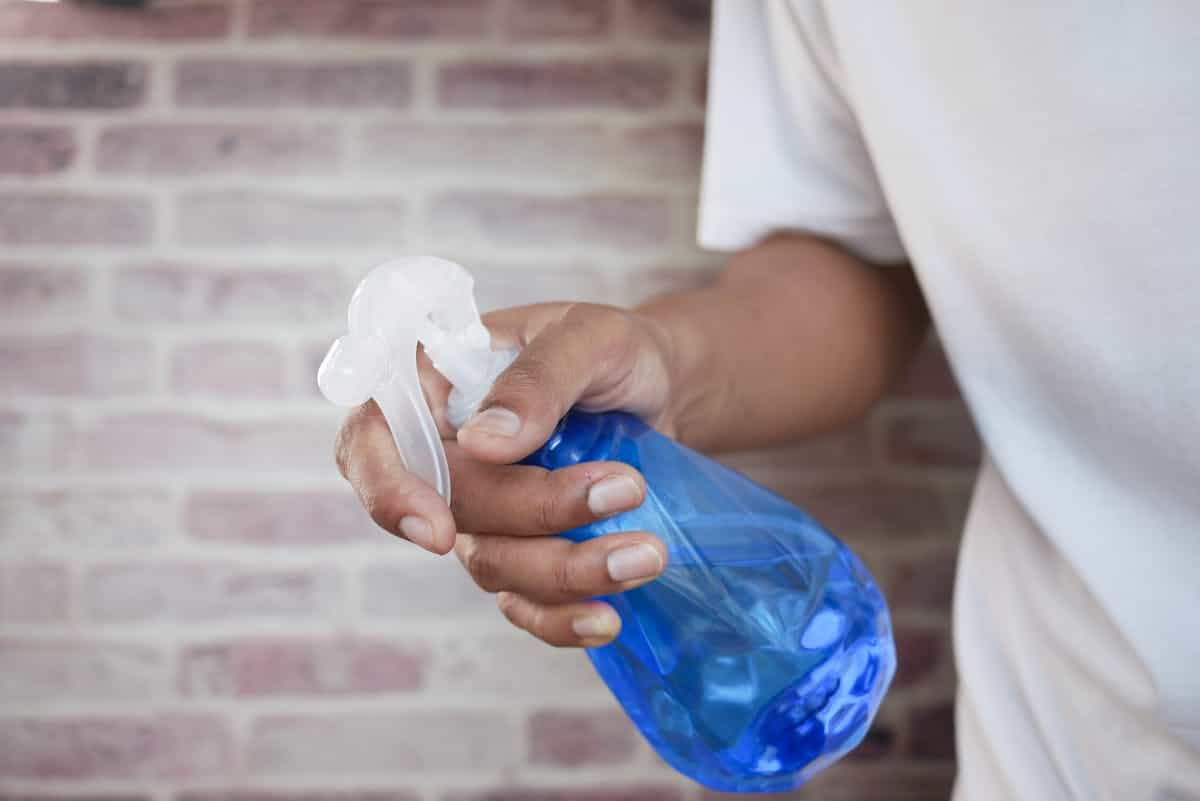
- Add a few drops of essential oil to water in a small spray bottle; shake before use.
- Mist the cloth, not the mirror directly, until you know how the coating reacts.
- Wipe dry immediately; repeat monthly at most if residue builds.
- If scent triggers headaches, switch to plain water and borrow Method 5 instead—your body counts as data.
Method 7: Passive Salt Bowl Near the Mirror
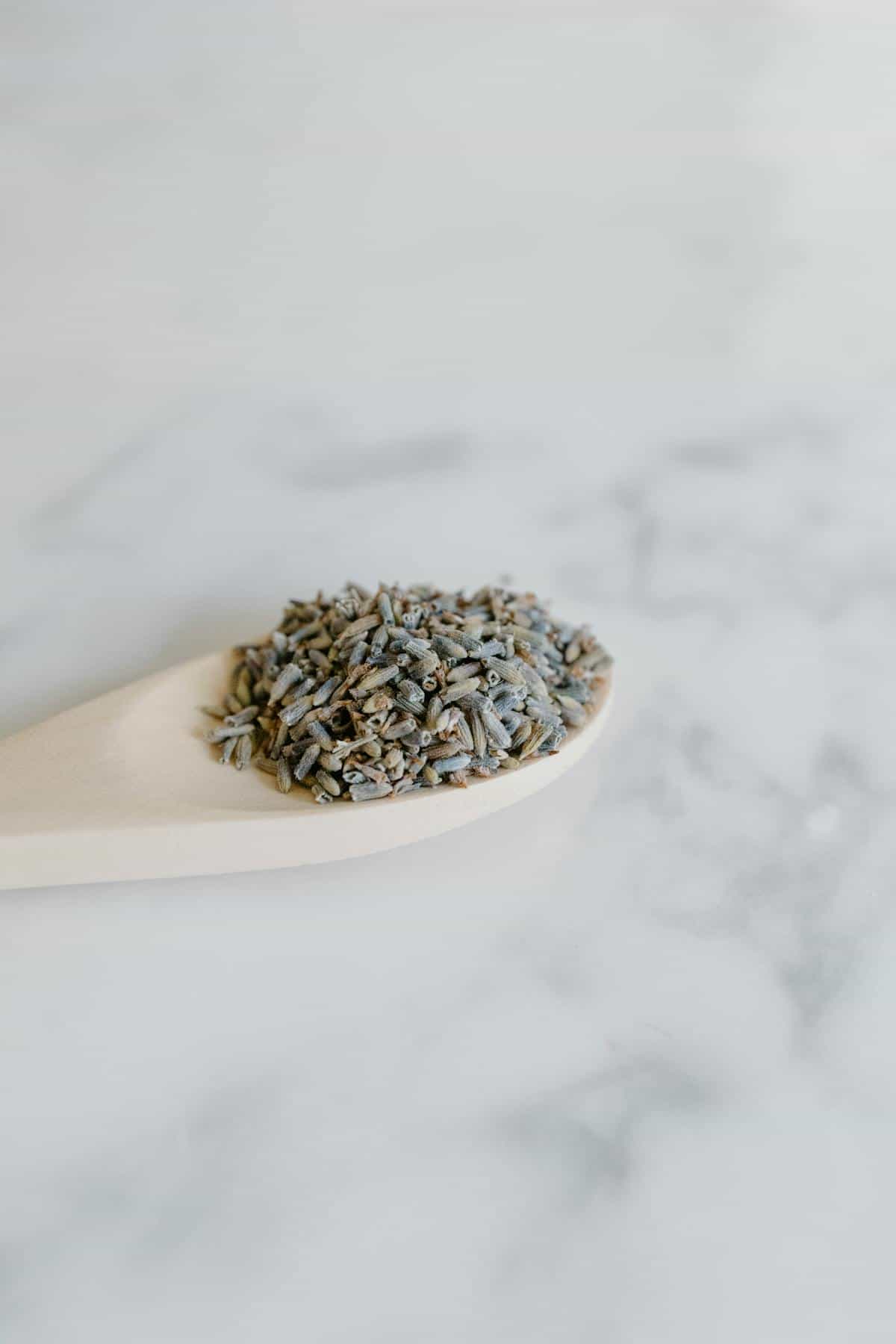
Belief layer: salt passively pulls charge from the field. Evidence layer: salt absorbs humidity; replace it so you are not culturing a damp science fair project.
- Fill a small dish with dry salt; set it on a stable ledge away from pets and toddlers.
- Leave it hours or overnight alongside whatever words feel honest.
- Discard the salt outside—many traditions insist you should not cook with what you used symbolically.
- Swap the dish after heavy weeks the same way you swap a HVAC filter: routine beats drama.
Method 8: Secondhand Mirror Reset and Protection Layer
Belief layer: unknown histories cling. Evidence layer: you are allowed to deep-clean for hygiene and psychology simultaneously.
- Run Methods 5 and 1 or 4 in order—physical first, symbolic second.
- Inspect hardware; tighten anchors so the reset is not undone by a fall.
- If you work with black mirror boundaries, add that practice after cleansing so you are not sealing tension beneath a new intention.
- Store the mirror face-down under cloth briefly if you need emotional distance; avoidance can feed anxiety long term, but a short pause after intense news is human.
A Roman-era anxiety held that mirrors could hold pieces of the self; some Indian households read a break as energy finally leaving the glass. The objects did not change—the story did. Cleansing belongs in that lineage: not a reading on a meter, but a way of marking “this surface serves the household now.” Pick one method you will actually repeat, dry the edges, fix the tilt, then walk back into the room and notice whether your shoulders drop. That embodied cue is the closest thing to measurement most of us get—and it is enough to justify wiping the glass twice.
Mirror FAQ
How do you spiritually cleanse a mirror at home?
Pick one focused method you can do safely: smoke cleansing with ventilation, a salt-water wipe (avoid salt on delicate metal frames), sunlight or moonlight exposure, sound, a plain wash with intention, a diluted herbal spray, a passive salt bowl, or a deliberate reset after bringing home a secondhand mirror. Many people repeat monthly or after conflict; the schedule is yours.
What are the signs a mirror needs cleansing?
Common cues are personal: persistent unease near the mirror, avoiding reflection, tension after arguments in that room, or uneasy sleep once a bedroom mirror moved. Some traditions also watch for unexplained cracks after intense ritual use; that is belief, not a lab finding—then practical safety matters more than symbolism.
Does sage scientifically remove negative energy from a mirror?
Smoke can leave scent particles and particulates on glass and in the air; that is chemistry. The idea that smoke binds spiritual energy is a cultural and ritual belief, not something a spectrometer reads on the mirror surface. If you use sage, choose ethical sourcing and keep a window open so the room actually exchanges air.
Can salt damage a mirror during cleansing?
Salt water can corrode some metals and lift finishes on ornate vintage frames. It can also streak coated or antique glass if left to dry unevenly. Spot-test a corner, dry promptly, and skip salt on silver-backed or museum pieces when in doubt.
Is it bad luck to buy a used mirror without cleansing it?
That depends on the tradition you follow, not on a universal law. Many people cleanse secondhand mirrors because the object carries an unknown emotional story; others simply deep-clean for hygiene. If the mirror makes you anxious, treat the ritual as a psychological reset, not a guarantee about the previous owner.
How often should you cleanse mirrors for energy work?
Monthly is a common personal rhythm, matching how often dust and fingerprints also build up. Increase frequency after illness, grief, or high-conflict weeks if those events feel stuck in the room. Consistency matters more than intensity.
What is the difference between cleansing a mirror and protecting it?
Cleansing is release: you symbolically clear what came before. Protection is boundary: symbols, covers, placement rules, or practices that limit what you allow to attach next. It helps to cleanse before you protect, or you risk symbolically sealing old residue in—something several folk traditions warn about.
Do mirrors store energy physically?
Mirrors store fingerprints, dust, micro-scratches, and whatever smoke or spray residue lands on the glass. The claim that they store spiritual charge the way a battery stores electricity is a belief held in many cultures; it is not a measured physical phenomenon. You can honor the belief and still be honest about the line between metaphor and instrument reading.