Is It Bad Luck to Buy a Used Mirror? Seven Traditions and a Cleanse
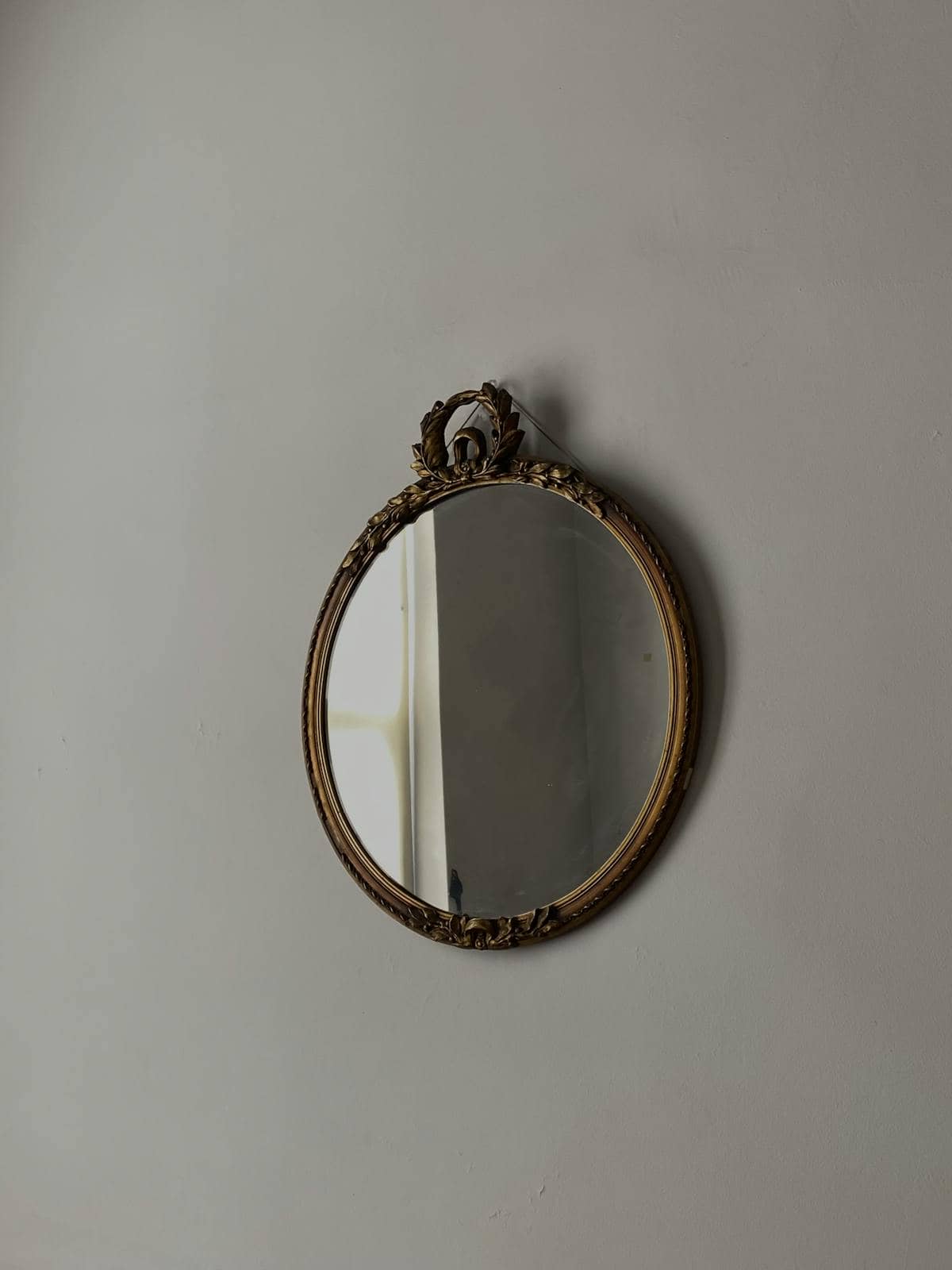
Buying a used mirror is not automatically "bad luck" in the way a spelled-out curse would be; what follows you home from the thrift aisle is usually a cluster of older ideas about reflections, souls, death, placement, and the eerie gap where provenance should be—not a verdict from every tradition at once. If you want a short social answer: millions of people live with estate-sale glass and never narrate it as haunted. If you want a spiritual-honesty answer: unease about secondhand mirrors is understandable, because mirrors have spent centuries being treated as more socially charged than, say, a used chair.
Why does the used-mirror question sound reasonable before it sounds mystical?
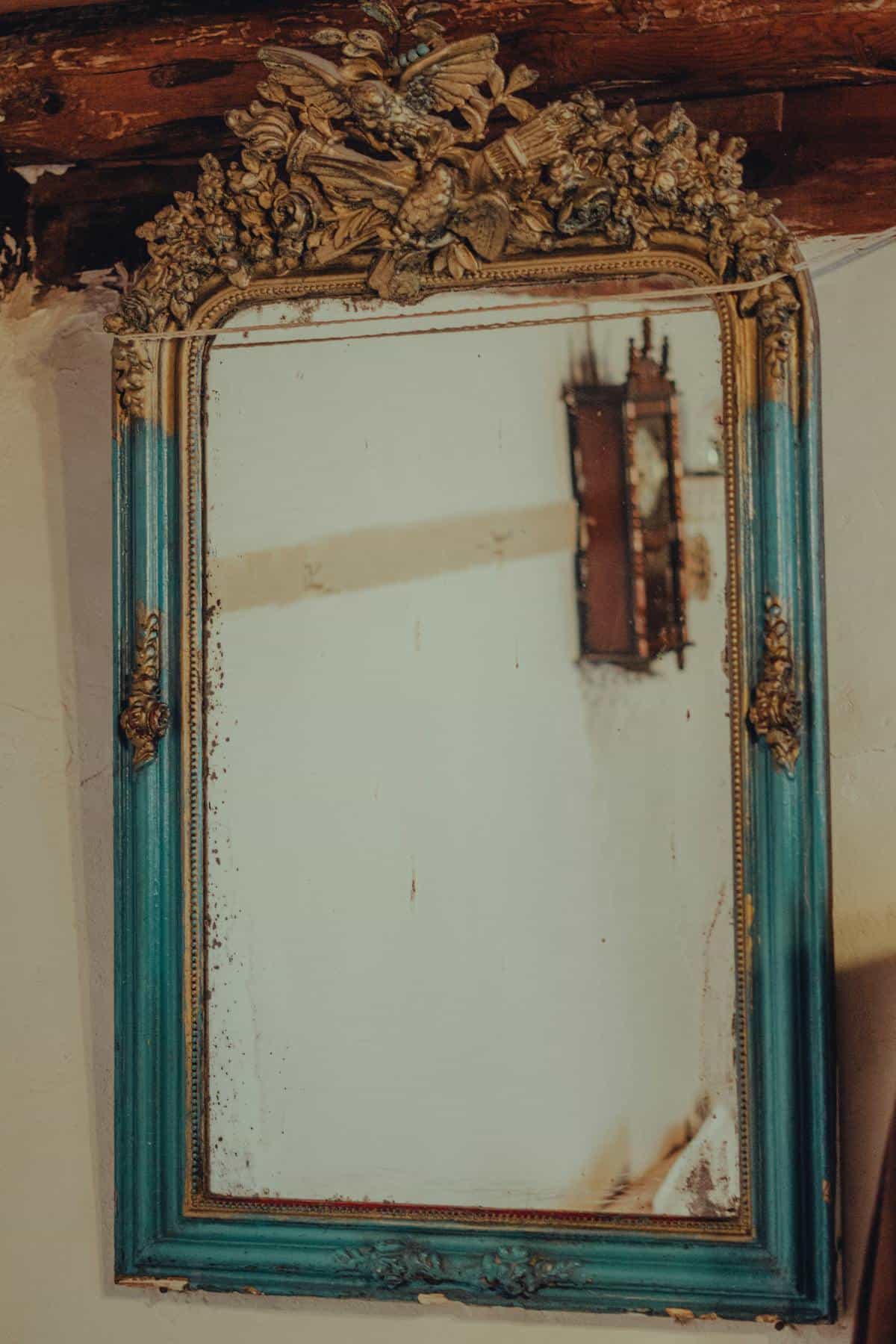
The question is not silly. A mirror is a identity object. It shows your face on demand, which means it intersects with vanity, grief, shame, confidence, and the private stories you tell about how you look. Hand that job to glass that hung in a stranger dining room for forty years, and your mind fills the silence with hypotheticals—trauma, arguments, illness, joy, ordinariness—all equally unknowable.
Add resale culture, where charming distress can look like "energy," and you get a second layer: the mirror as witness. That metaphor shows up in mainstream writing about antique mirrors because it matches how humans reason about attention and memory, not because every estate piece arrives with a tenant spirit.
If you are comparing superstitions across regions, the mirror superstitions encyclopedia on this site is a steadier reference than scrolling until an algorithm serves you a scare.
What seven traditions say in practice, not in a single headline
Below is not a license list. It is a map of what people trained by different histories tend to worry about when glass is reflective, old, and formerly someone else.
1. Greco-Roman lineage and the "soul in the glass" family of ideas. In the broader ancient Mediterranean conversation about reflection, mirrors could be framed as intimate and risky: something that participates in how the self is seen. That atmosphere later feeds the broken-mirror fear people still repeat. Roman ideas are often name-checked in popular folklore because they help explain why mirrors feel "special" compared to other household goods.
2. The broken mirror / seven-year story as a cultural inheritance. The "seven years" motif is what many English-speaking shoppers half-remember while carrying a heavy frame to checkout. It is not a tidy law of physics; it is a story that stuck. For a careful treatment of how that legend behaves in modern argument—not as courtroom evidence but as living folklore—Snopes discussion of breaking a mirror is a useful outside anchor. Also note the cross-current: some regions interpret breakage as release rather than doom, which is why mirror meanings can contradict and still feel locally "true." A companion read on this site is broken mirror good luck meaning, because luck language does not point one direction everywhere.
3. European mourning habits and the mirror as scandalous during grief. Victorian-era households sometimes covered mirrors after a death, not because mirrors were evil, but because a period of ritual restraint turned ordinary self-regard into a social mis-step. That habit still shapes how Western imaginations link mirrors, death, and the uncanny—useful context when an antique feels "heavy."
4. Jewish shiva practice as discipline for attention, not a thrift-store checklist. Covering mirrors during shiva is a real mourning custom with ethical and spiritual aims: humility, focus on loss, refusal to perform vanity while community grieves. People sometimes borrow fragments of that image when they narrate "old energy" on objects; knowing the actual purpose prevents flattening a living ritual into a spooky prop.
5. Hindu contexts and Vastu-style placement sensitivity. In many Indian households, mirrors are discussed less like cursed possessions and more like directional tools: placement, doubling, what should and should not be reflected from the entry, sleeping zones, and altar logic. A secondhand mirror can still raise a practical spiritual question—does it fit the home geometry you are trying to keep—not because "thrift" is sinful, but because the object is being inserted into a rule-heavy map.
6. Chinese feng shui and the unease of doubling, loss, and sharp qi. Feng shui discussions often emphasize what a mirror multiplies (views, light, doorways) and what it should not disrupt (stable sleep, grounded backing, calm entry). A vintage mirror can be fine; a cracked or poorly placed mirror can be read as inviting a kind of visual "cutting" talk. Treat this as interpretive language trained by architecture and embodiment, not as a blood test.
7. African diaspora and African American folk spirituality, where cleansing borrowed objects is often ordinary hygiene of the spirit. In several lineages that work with ancestor veneration and protective practice, spiritual washing, smoke, prayers, or offering logic applied to acquired items is not melodrama—it is how you mark a threshold. That is closer to "welcome this tool into my house rules" than to declaring all thrift cursed.
If you want method ideas beyond a short article summary, the practical catalog on how to cleanse mirror energy stays grounded in steps you can adapt without pretending one ritual owns all cultures.
Venice, expense, and why older mirrors feel "charged" even when you are not superstitious
Before aluminum-backed glass was industrial, a clear flat mirror could cost like art. Venice long dominated production; the Murano monopoly story is a real piece of economic history with alleged state brutality woven into trade secrets. When an object is expensive, rare, and tied to self-display among elites, it accumulates reputation. That reputation later feeds Gothic fiction and decoration blogs alike.
When you see a tall thrift mirror and imagine a dramatic past, you are sometimes responding to cultural noise that began in material value, not in ghost thermometers.
Haunted listings, antique psychology, and the mirror as a narrative shortcut
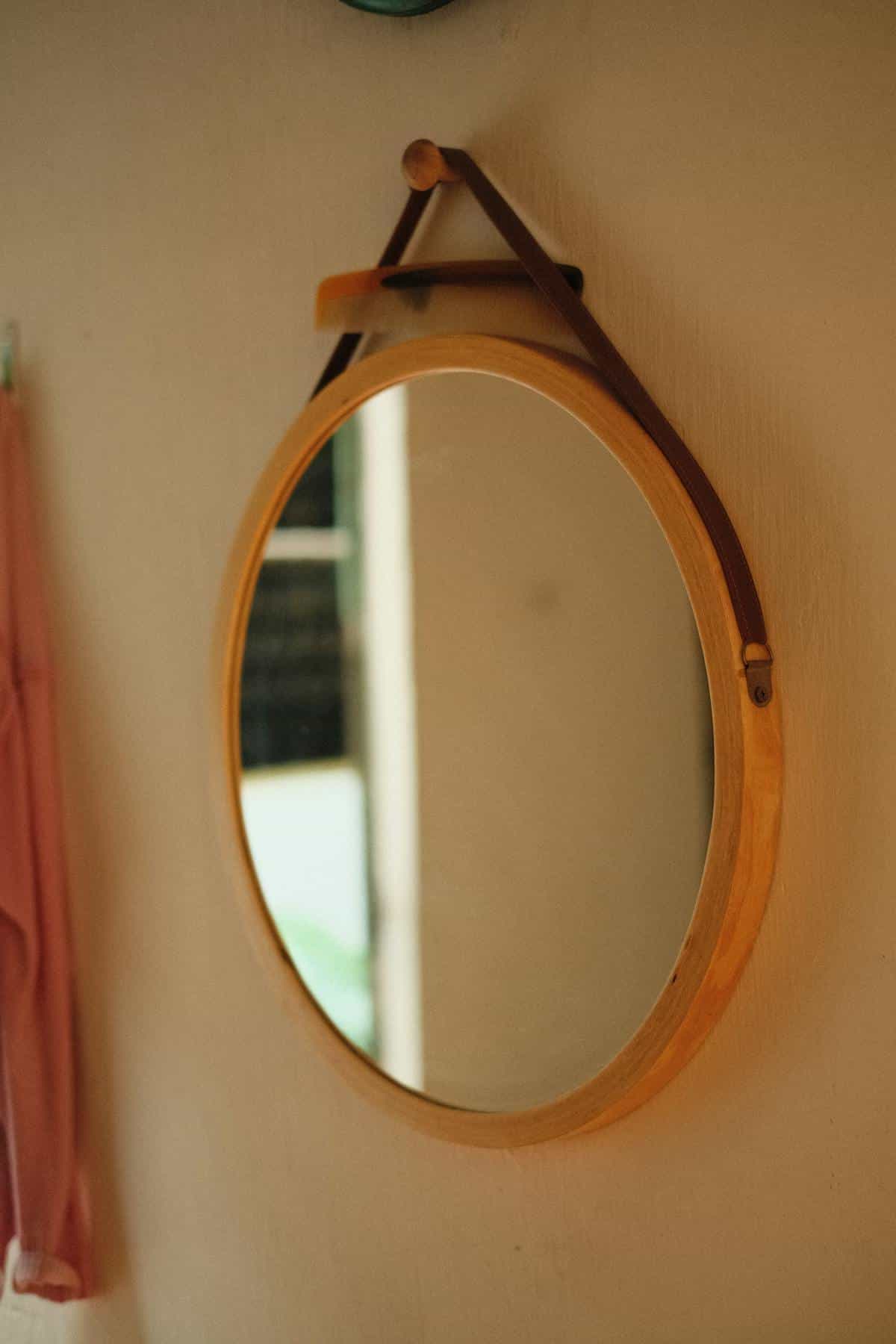
Contemporary writing about "haunted" mirrors often blends three truthful things: mirrors really do appear in art and film as portals; people in grief really did cover them; humans really dislike unknown provenance on identity-adjacent objects. House Beautiful historical overview of haunted antique mirrors traces how those threads get braided in modern decorating anxiety without requiring you to adopt a single metaphysics.
That is why the used-mirror question trends spiritual even when your practical concern is only "this frame is heavy."
Cleanse and reset a used mirror with a sequence adults can repeat without shame
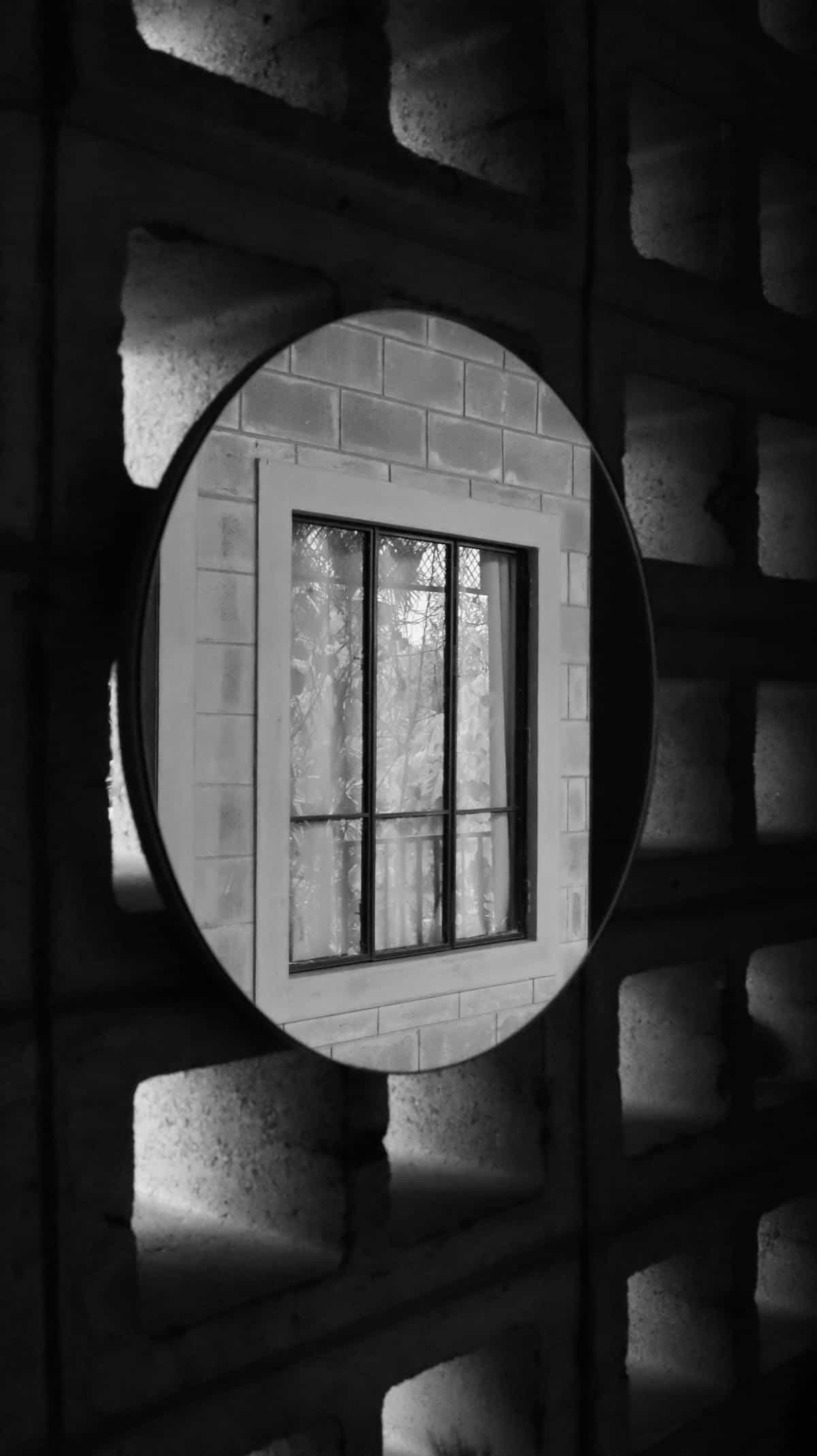
Match the spiritual steps to physical care. The point is a clean edge between their timeline and yours.
- Inspect like an adult buying glass. Look for chips, cracks, flaking backing, corrosion spots, loose hanging wire, and frame joints that flex. If it fails structurally, fix or pass—no chant compensates for bad hardware.
- Clean like an optician is watching. Dust frame and back first; then clean glass with a mirror-safe approach suited to the age and finish (avoid soaking backing seams). You remove allergens, grime, and the literal film that makes reflections feel "off."
- Air and sun if appropriate. A safe outdoor airing can help volatile smells from old adhesives or storage. This is chemistry, not exorcism, and it still changes what you feel when the piece returns indoors.
- Sound or smoke if your lineage says so. Bells, prayer, ethically sourced smoke, or plain spoken intention can mark consent and boundaries. Keep ventilation and fire safety on the same moral tier as sincerity.
- Re-house the first hang as a decision. Pick placement deliberately (sleep, doors, desks) so your body learns a new habit instead of replaying imagined prior scenes.
For a longer method list with variations, tie back to the dedicated cleanse mirror negative energy guide rather than duplicating every sub-ritual here.
Safety beats symbolism when age shows in the materials
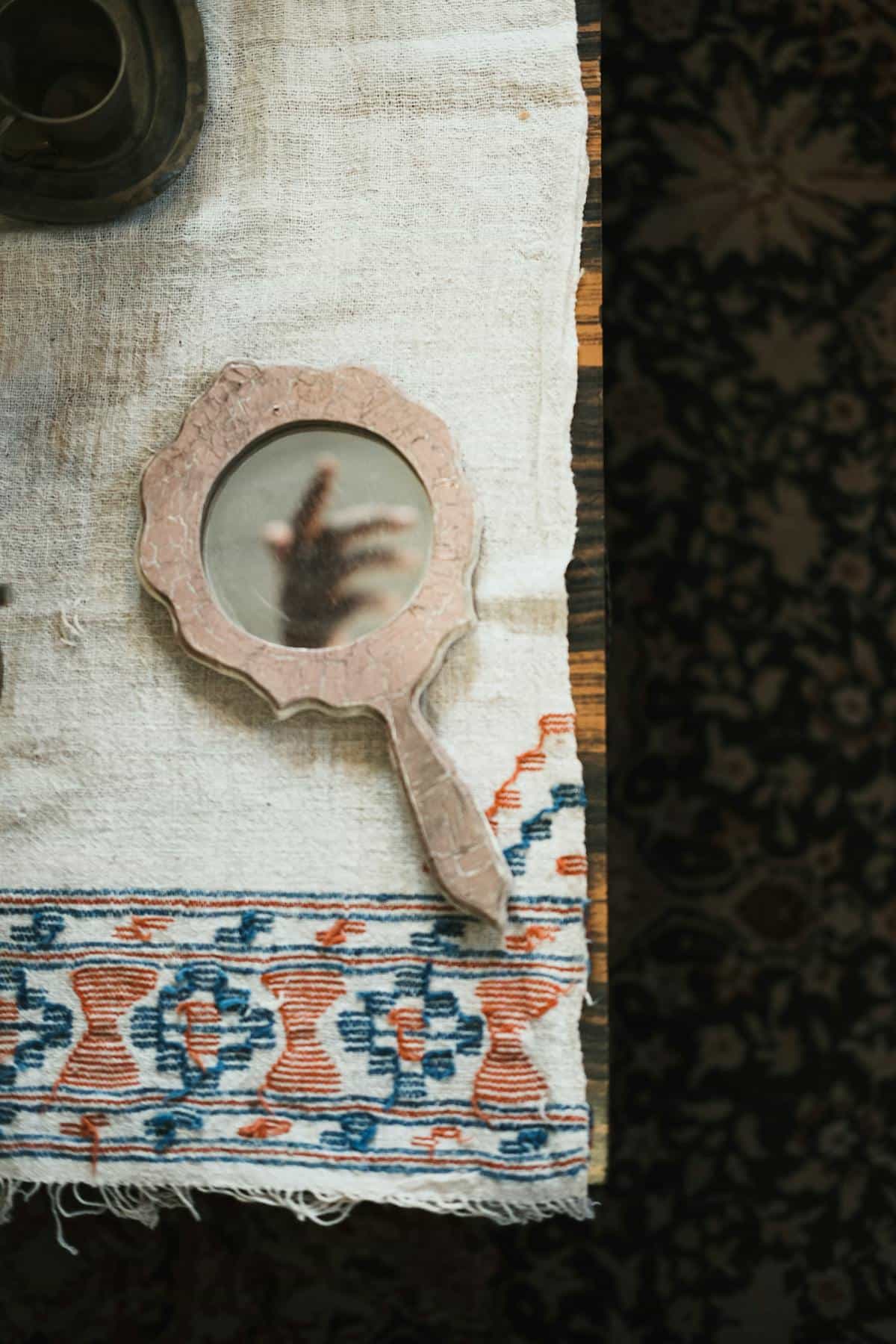
Older mirrors can be beautiful and still mean business in a bad way. Heavy frames need correct anchors. Avoid breathing dust from degraded backing if you DIY repair. If you inherit mercury-era silvering talk from antiques circles, default to professional advice rather than confident TikTok chemistry.
If you needed permission: walking away from a cheap mirror that is physically suspect is wisdom, not cowardice.
Belief versus evidence: what you can know without bullying yourself
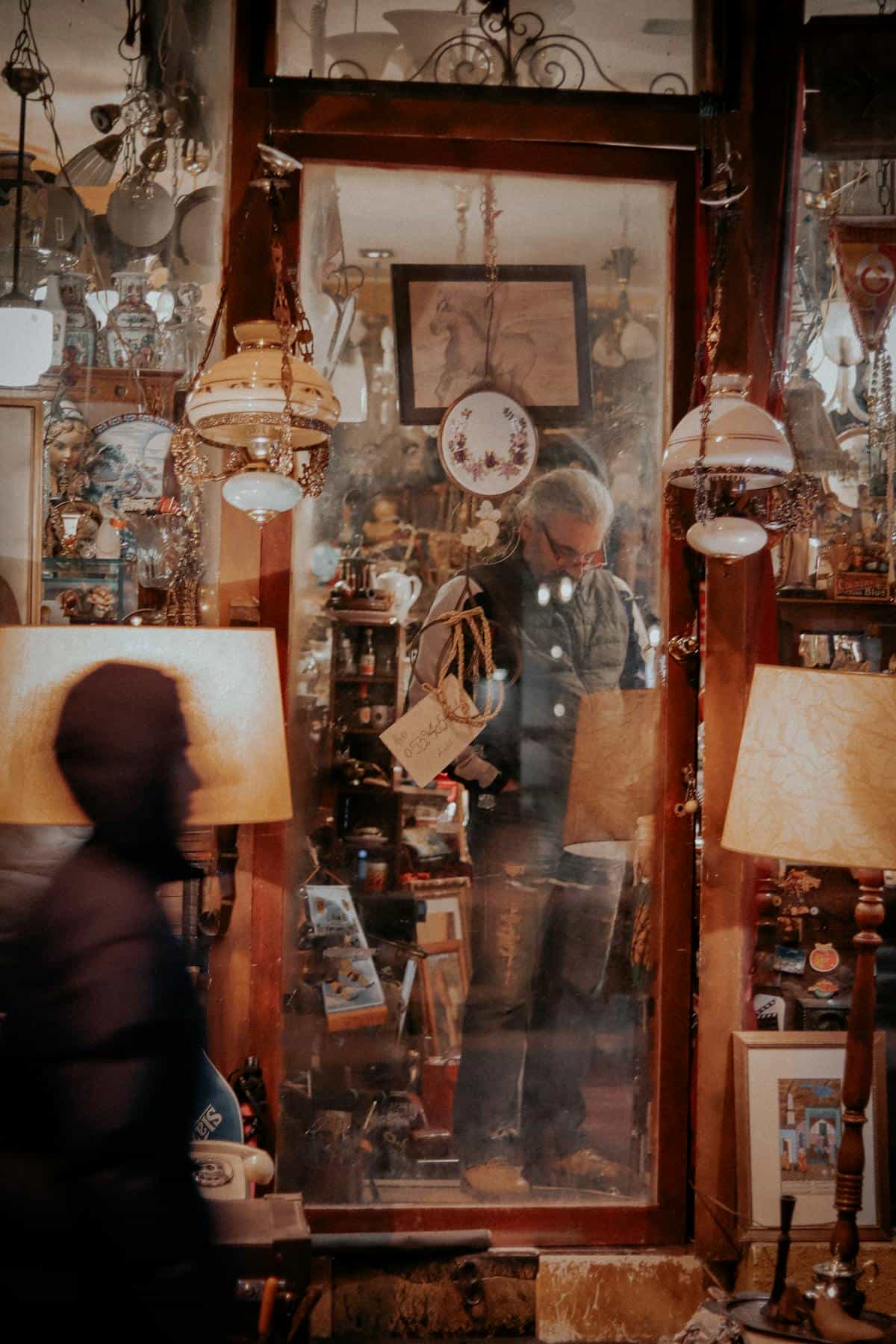
Mirrors reflect light according to material physics—polished metal historically, vacuum-deposited metal on glass today—described plainly in references such as Britannica mirror optics overview. No serious optics textbook adds a chapter on thrift karma; that is not sneering at believers, it is calibrating claims.
Psychologically, a mirror can spike unease because it couples identity with surveillance cues: you see yourself, you imagine being seen, you map moral language onto hygiene and decoration. Cultural learning supplies the specific vocabulary—soul, portal, qi, evil eye—but the mechanism is partly about brains that hate ambiguity.
So the balanced sentence is this: folklore can be historically real as folklore, and still not be a laboratory result. You are allowed to cleanse a mirror because it helps you live in your home comfortably, and you are also allowed to laugh gently at rhetorical extremes.
Where to walk afterward, if you want thought instead of panic

If the mirror still makes you anxious after cleaning and sensible mounting, separate channels. A therapist can help with fixation or fear-of-reflection patterns; a spiritual teacher who knows your actual tradition can help with practice integrity; a handyman can help with stud placement so cognitive worry does not masquerade as metaphysics.
A last frame that respects both the skeptic and the sincere

A used mirror is mainly glass, metal, wood, and time. Time is where humans pour meaning—mourning drapes, shiva coverings, compass directions, careful smoke, whispered prayers, and the ordinary relief of a streak-free wipe. None of that history forces you into fear. It does invite you to say, plainly, what kind of home you are building: one where things must carry proof, or one where intention and maintenance can be enough.
If you keep shopping secondhand, let your standards be explicit—structural safety first, spiritual practice second, internet rumors last.
Mirror FAQ
Is it bad luck to buy a used mirror from a thrift store?
There is no universal religious verdict called "used mirror equals bad luck." Many people feel wary because mirrors sit at the center of soul, mourning, and portal symbolism in several cultures, and because a secondhand item carries unknown history. Unease is common; a single cross-cultural curse is not.
Why do people think secondhand mirrors are haunted?
Antique mirrors show up constantly in horror stories, and mirrors are easy to cast as witnesses or doorways in folklore. Popular articles also blend Victorian mourning customs with modern resale culture, which makes an old frame feel narratively "busy" even when nothing paranormal is happening.
Does cleansing a used mirror actually work?
If you mean emotional settling, a deliberate ritual can help your nervous system mark a boundary between "someone else chapter" and "my chapter." If you mean measurable spirit removal, there is no test for that. Cleansing still pairs well with ordinary cleaning, inspection, and safe mounting.
What is the seven years bad luck rule with mirrors?
The broken-mirror bad-luck motif is old and heavily associated with ancient Roman ideas about reflection and the self, later blended with ideas about life cycles. Snopes treats the "seven years" superstition as legend, not fact, while explaining why the story persists.
Are vintage mirrors dangerous besides superstition?
Very old mirrored glass can involve materials and construction you do not want to guess about. Chips, loose backing, unstable frames, and outdated wall hardware are practical hazards. If a mirror is damaged, repair or replace it for safety reasons that have nothing to do with luck.
Where can I read more mirror folklore without moral panic?
A worldwide map of beliefs helps you see patterns instead of treating one viral TikTok as ancient law. The site guide to global mirror superstitions collects beliefs with context, not commands.