Mirror Magic in Witchcraft: Protection, Reversal, and Binding Explained Respectfully

Mirror magic in witchcraft is not one fixed spellbook—it is a modern label for a bundle of ideas (protection, reversal, binding, and divination) tied to the simple fact that mirrors reflect light. People use that fact as metaphor: to mark boundaries, to imagine influence bouncing away, or to focus attention during trance-like gazing. Respectful writing keeps three lanes separate—what history can document, what individuals believe today, and what physics actually does—so curiosity does not blur into superstition marketed as certainty.
This page is educational. It does not give step-by-step instructions for harming others, for escalating interpersonal conflict, or for substituting ritual for medical care or safety planning.
Why do seekers type “mirror spells” and “protection” in the same sentence?
Search patterns cluster the way they do because mirrors sit at a cultural crossroads: everyday grooming, stage trickery, folklore about souls and bad luck, and a long, patchy history of divination. Contemporary books, blogs, and social video often compress that into “mirror magic,” then sort it into modules—protection jars, reversal setups, binding language, black-mirror work—that look like a syllabus even when the sources disagree.
If you feel pulled toward these topics, you are not unusual. Humans like objects that stand between self and world; a mirror literalises the border. The emotionally honest starting point is curiosity about story and meaning, not a promise that a purchase or a chant will fix a complex life situation.
What can history say about mirrors and “magic” without flattening everything?
Ancient and medieval people used polished metal, water, and eventually glass to see themselves and to play with what reflection suggested. Divination with mirrors is discussed in reference material under catoptromancy, a term that ties mirror gazing to prophecy and ritual context in some classical and later European sources. That is not identical to a TikTok “protection mirror spell” in 2026—but it is part of the genealogy modern authors sometimes invoke.
Popular craft writing also draws on folklore: covered mirrors after a death, anxiety about broken glass, convex trade mirrors, and the Romance-language trace of “seven years” bad luck that spread more widely after mirrors became mass-market items in the late nineteenth century. For a cross-cultural map of beliefs—including many that do not assume witchcraft language—see Mirror superstitions encyclopedia: beliefs and folklore worldwide.
A wide-ranging essay on mirrors in myth, stage magic, and folk practice can be found in Mirrors: spells and scrying notes (cultural discussion, not authoritative doctrine). The occult reference site Occultopedia summarizes how modern encyclopedias of the esoteric sometimes narrate mirror symbolism in its mirror entry. These are starting points for tracing how language travels, not proofs that one belief is universally true.
Roman-era ideas that a mirror might hold something soul-like sit in the deeper history of why broken mirrors frightened people, while the Romance-language timing of seven years echoes how unease scaled once mirrors slid from luxury courts into ordinary houses in the late 1800s. When an influencer calls a mirror a “portal,” they are often remixing this older anxiety with New Age packaging.
How is “protection mirror” work usually framed in folk and craft discourse?
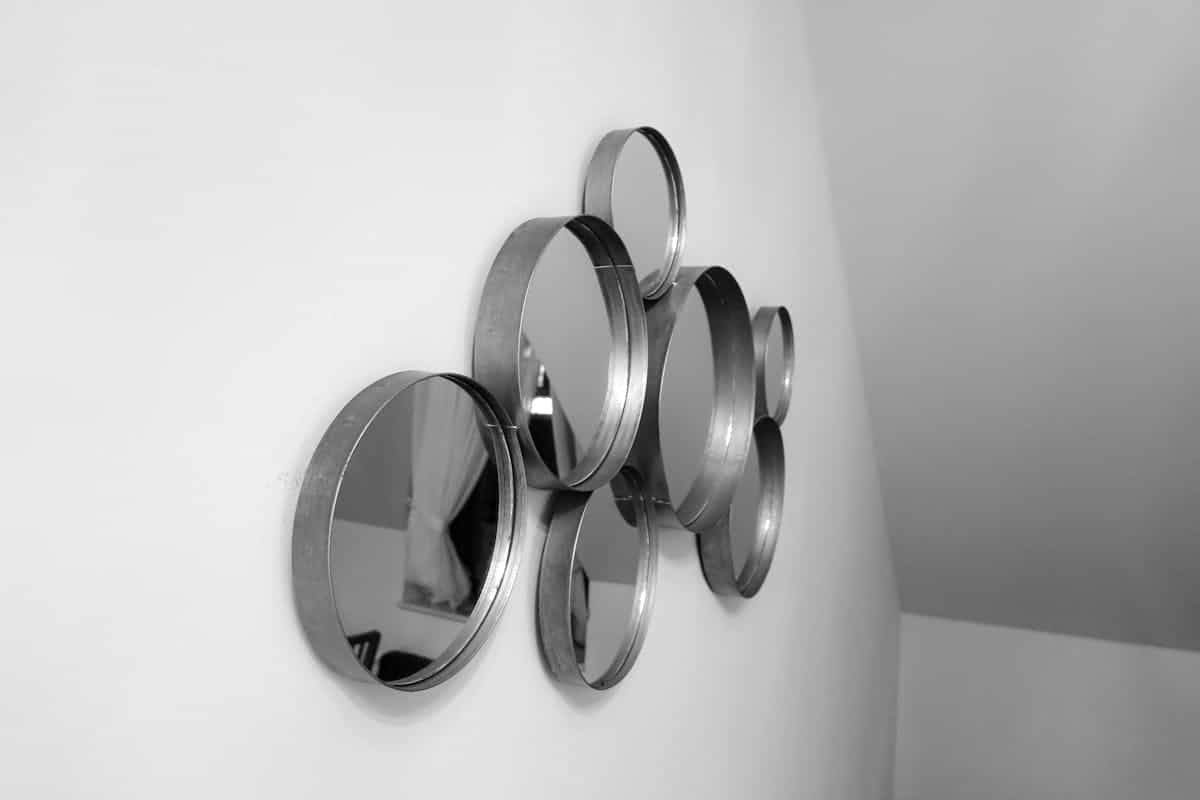
In books and oral teaching, protection language around mirrors typically does one of four things:
-
Threshold marking — placing a mirror or reflective token where a doorway or window meets the outside world, framed as watching or turning aside unwelcome attention.
-
Convex and “wide angle” metaphors — a curved surface spreads light; folk explanations sometimes borrow that optics fact and turn it into symbolism about scattering what feels “pointed.”
-
Companion practice — cleansing, blessing, or rededicating a mirror after purchase or after conflict; this often overlaps with how people treat any long-owned object that carries memory.
-
Pairing with vigilance — protection here is rarely only the object. Sleep, community, locks, and boundaries in relationships matter in ordinary life; the mirror sits inside a larger picture.
If you want dedicated language for cleaning and resetting a mirror as a spiritual object, Cleanse a mirror: negative energy and spiritual methods walks through common approaches without insisting one culture owns the idea.
What does “reversal” mean when a mirror is mentioned?

In many spell collections, “reversal” is shorthand for a moral claim: you are not stealing someone else’s attack; you are refusing to keep it. Mirrors enter the story as the prop of return. Sometimes the ritual language is gentle (send it to the earth). Sometimes it is aggressive (send it to the sender).
This article stops at description. Why: public, recipe-style reversal work can funnel people into obsessive enemy-tracking, especially when they are already anxious or sleep-deprived. If you are frightened, that is real; it still does not mean a stranger online has verified power over your situation. Grounding skills, counseling, medical care when needed, and—when there is threat—law enforcement and advocate services are the tools with documented safety value.
From a physics angle, mirrors redirect light according to predictable rules; they do not morally judge a person. Keeping that distinction visible is part of writing about belief without smuggling in pseudo-science.
Why is “binding” a separate ethical category from protection or reversal?
Protection language often aims at the self and the home. Binding language often aims at another person’s behavior—sometimes described as stopping harm, sometimes as control. Traditions disagree about when, if ever, that is appropriate. Legally and interpersonally, adults remain responsible for their actions even when they narrate them in spiritual terms.
Readers deserve clarity: this site does not guide anyone to perform binding work against a specific person. If you are dealing with stalking, intimate partner violence, or workplace harassment, safety planning from qualified professionals is the appropriate frame. Mirror metaphors can coexist with that, but they must not replace it.
Black mirrors, plain mirrors, and scrying: where do they connect?
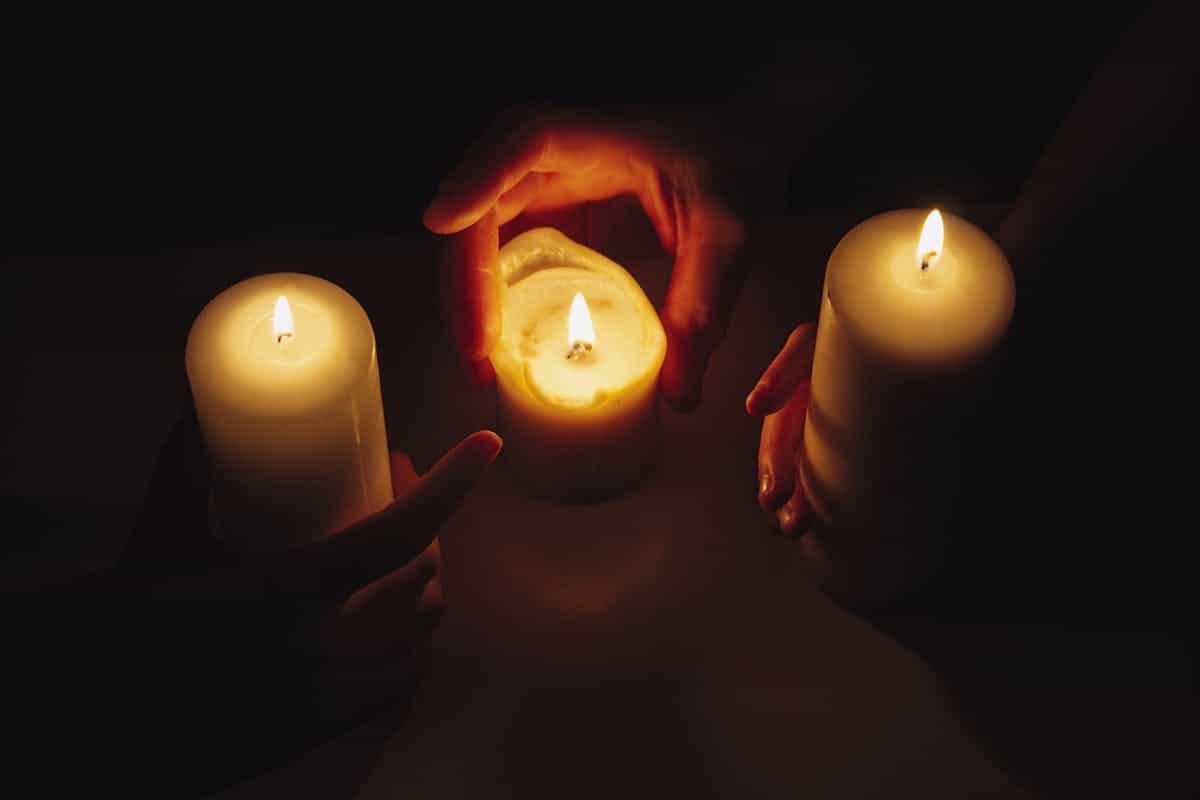
Black-mirror scrying is the most camera-friendly corner of mirror practice: low light, steady gaze, heightened pattern sensitivity in the visual system. It overlaps with psychology (relaxation, imagery) and with craft claims (messages, spirit contact) depending on who is teaching. Beginners often want a single purchase that suddenly produces visions; the more boring truth is that technique, sleep, and expectation shape the experience.
For a structured intro that still treats the mirror as a contemplative tool—not a weapon—read Black mirror scrying: beginner guide. For a broader framing of mirrors as intentional tools rather than only superstition, Mirror as a spiritual tool fits the same lane.
Two ideas modern articles often miss: class, craft print culture, and optics
Print culture. Much of what people now call “traditional” witchcraft is braided with twentieth-century publishing, mail-order occult supply, and internet folk syncretism. That does not make sincerity impossible—it means dates and lineages deserve scrutiny when a post claims ancient unbroken continuity.
Economics. Venice once guarded mirror technology like state treasure; a clear flat mirror was a palace object long before it sat in every rental bathroom. When protection charms mention “witch bottles” and reflective scraps, remember that material culture shapes what people reach for. Cheap glass changed what magic books could assume readers owned.
Optics literacy. Specular reflection preserves enough order that you recognise your face; diffuse surfaces scatter light until the scene smears. Talking about mirrors in magic without acknowledging basic reflection is how content drifts into techno-mysticism.
What actually helps if you are stirred up after reading mirror-spell content?

-
Name the need underneath the search. Protection often encodes grief, fatigue, or shame. Addressing the need directly—rest, therapy, talking to someone who will not judge—sometimes shrinks the urgency to “solve it with a mirror tonight.”
-
Keep fire and glass literal. Candle-plus-mirror setups combine two common injury sources. Any practice you try should respect basic home safety.
-
Hold beliefs gently. You can value a mirror ritual and still refuse to weaponise your fear into stalking an alleged enemy online. Those are compatible adult choices.
Clinical psychology has mapped how mirror gazing can sour mood even in people without a diagnosed disorder—a useful reminder that intense self-focus in reflective surfaces has measurable emotional effects. Spiritual language and psychological language can both be true at different layers.
Closing: the mirror still only reflects what is in front of it

Mirror magic talk speaks to something human: the ache to feel bounded, the wish to return pain without becoming it, the hope that a shining surface can reorder a messy life. History gives us divination words, luxury glass, and rumor; modern craft gives us improvisation; physics gives us lawful reflection. None of those lanes requires you to despise another person to feel protected.
If one idea stays with you, let it be the split the best practitioners quietly keep: meaning is personal; evidence is shared. When those are honest with each other, mirrors stay fascinating without turning into fear merchants.
Disclaimer: This article discusses cultural and historical material. It is not medical, legal, or crisis advice. If you or someone else may be in danger, contact local emergency services or a trusted professional support service in your area.
Mirror FAQ
What is mirror magic in witchcraft?
In contemporary witchcraft writing, mirror magic commonly refers to using mirrors as symbolic thresholds: scrying, charms said to protect a home, rituals described as reflecting ill intent away, and occasional binding metaphors. Practices differ by person, tradition, and source; the phrase names a theme, not a single certified rite.
Do mirror protection spells work?
That depends on what you mean by work. Many people find focusing intent, marking boundaries, and using meaningful objects psychologically grounding. There is no reproducible scientific demonstration that a mirror deflects hostility in a paranormal sense. Honest language keeps personal meaning separate from physical claims.
What is a reversal spell with a mirror?
Popular books and blogs often describe reversal work as symbolic return: the mirror stands in for redirection rather than absorption. Descriptions vary widely. This article explains the idea without prescribing actions aimed at harming others, because that can encourage fixation, conflict, and risky behavior.
Is binding someone with a mirror ethical?
Ethical concerns are serious. Binding language in magic communities can mean limiting harm, stopping harassment, or imposing will on another person. The last case raises consent, dignity, and—in real-world disputes—possibly legal issues. If someone is unsafe, practical safety planning and professional support usually matter more than ritual alone.
How is mirror magic different from scrying?
Scrying is divination: sustained gazing to notice images or associations. Mirror magic as a label often bundles scrying with charm-style uses (protection, reversal, binding). Black-mirror scrying is one corner of the mirror conversation; house protection with reflective objects is another.
Where did mirror divination come from?
Reflective divination—sometimes discussed under the term catoptromancy—appears in scattered ancient and medieval sources; modern craft authors remix those threads with later folk ideas. Treat grand claims of a single origin with caution; the habit of looking for signs in reflective surfaces is culturally widespread.
Should I cleanse a mirror before spiritual use?
Many practitioners prefer a physically clean mirror first, then a symbolic reset that matches their tradition—smoke, sound, moonlight, spoken intention, or plain rest. If it is only decor, ordinary glass care is enough. For a practical survey of spiritual cleaning language, see the internal guide linked in the article.
Is mirror magic dangerous?
The main risks are ordinary: broken glass, candles left unattended, obsessive rumination about enemies, and delaying real help when there is abuse or mental-health crisis. Mirrors are not scientifically shown to open portals; they are objects that humans load with story.