Bedroom Dresser With Mirror: Styles, Sizing, and Placement Guide
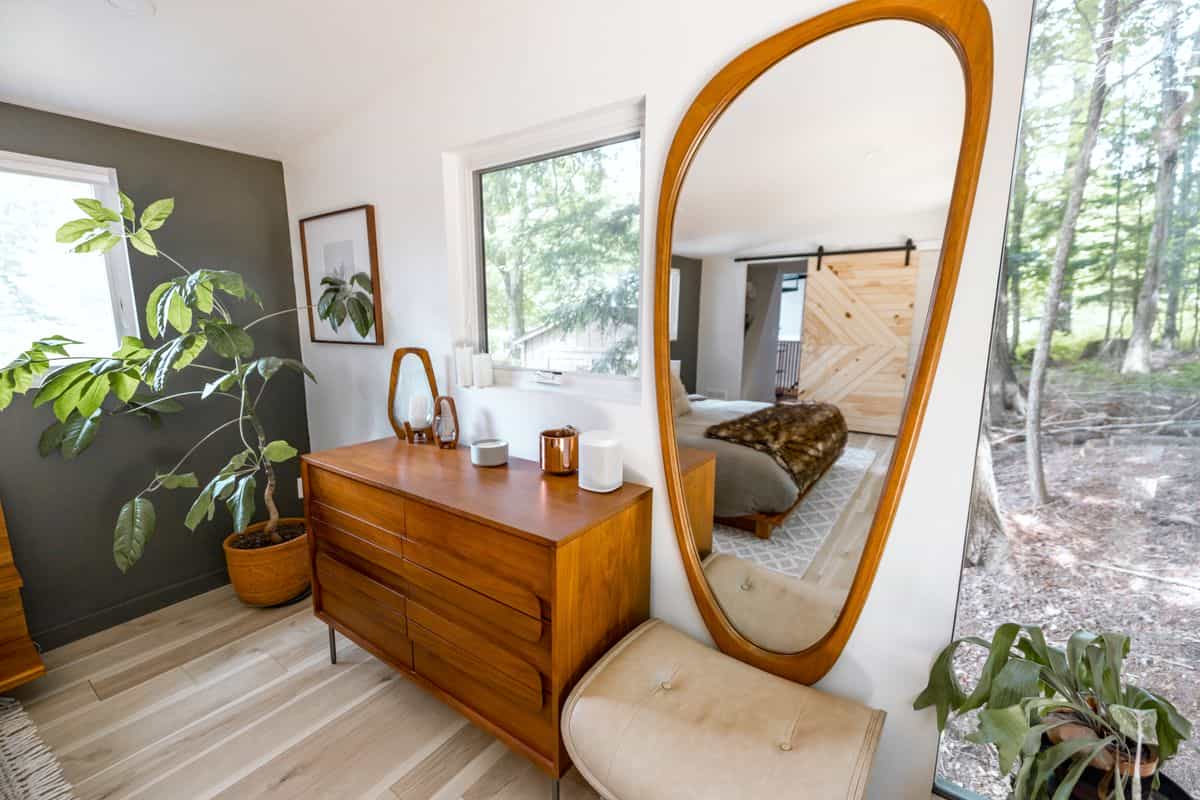
You want a dresser with mirror for your bedroom, and the questions underneath that are usually the same three: how big should the mirror be, where does the whole thing go, and how do I make it look like it belongs rather than like two pieces that happened to meet. The short answer first.
A dresser with mirror works best when the mirror is no wider than two-thirds of the dresser, its centre sits at standing eye level (about 6 to 8 inches above the top), and the piece is placed near where you get dressed — on a wall with 24 to 30 inches of clearance and, ideally, not facing the bed. Match it to the room by sharing one finish or tone with your other furniture. Everything else is detail.
Most dresser with mirror for bedroom guides cover sizing and stop there. Two things they almost always skip — where the mirror should face, and how to stop the dresser tipping — matter more than the styling. Both are below.
What Size and Height Should a Dresser Mirror Be?
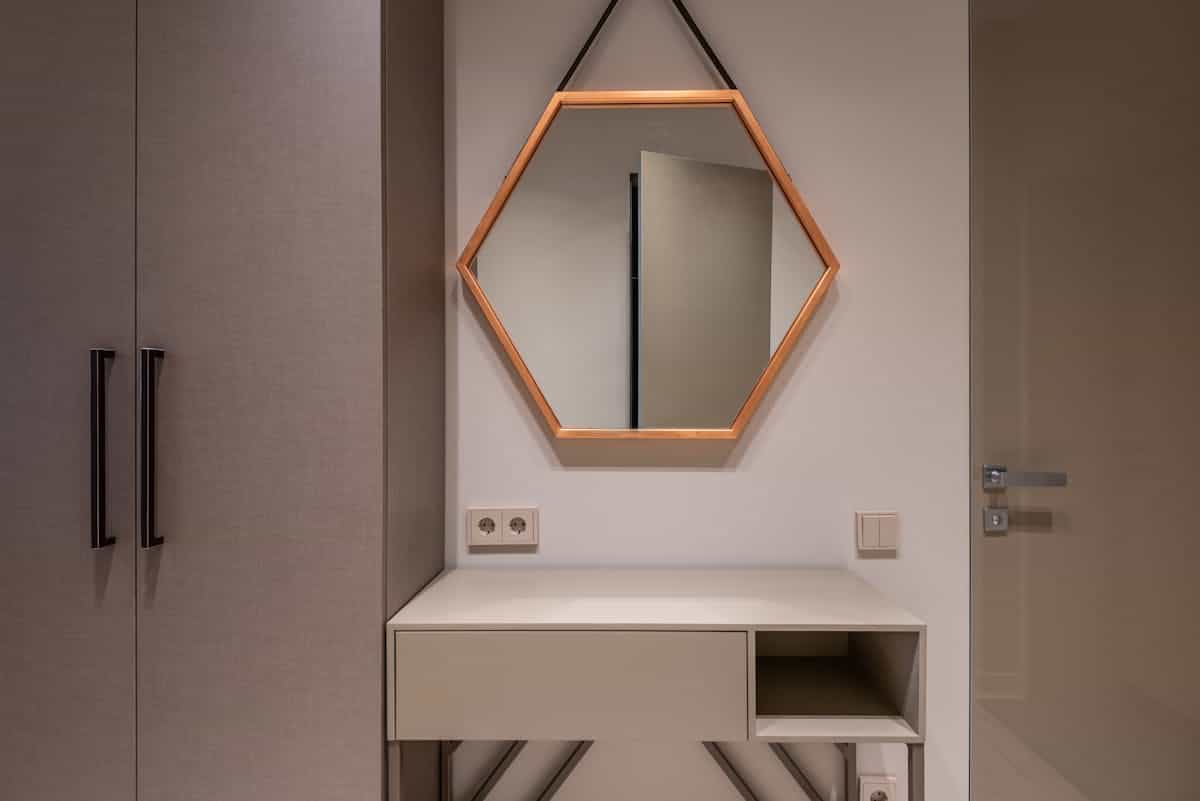
Proportion is the difference between a dresser that looks designed and one that looks like a mirror was balanced on top of it.
The rule that works: the mirror should be no more than two-thirds the width of the dresser and no taller than about three-quarters its height. For a standard 50-to-60-inch dresser, that means a mirror around 30 to 40 inches wide. A mirror wider than the dresser looks top-heavy; one much narrower looks stranded on the wall.
Height is simpler than people make it. Hang the mirror so its centre sits at your standing eye level — for most adults that puts the bottom edge about 6 to 8 inches above the dresser top. That gap matters: it keeps the mirror and dresser reading as a single unit, and it leaves room for a lamp or a tray on the surface without the clutter creeping into the reflection. If several people of different heights share it, centre the mirror around 57 to 60 inches from the floor — gallery eye level, a sensible average.
One detail worth getting right on a bedroom dresser mirror: leave the surface mostly clear directly beneath the glass. A mirror doubles whatever sits in front of it, so a crowded dresser top reads as twice as crowded.
Attached Set or Separate Hung Mirror?
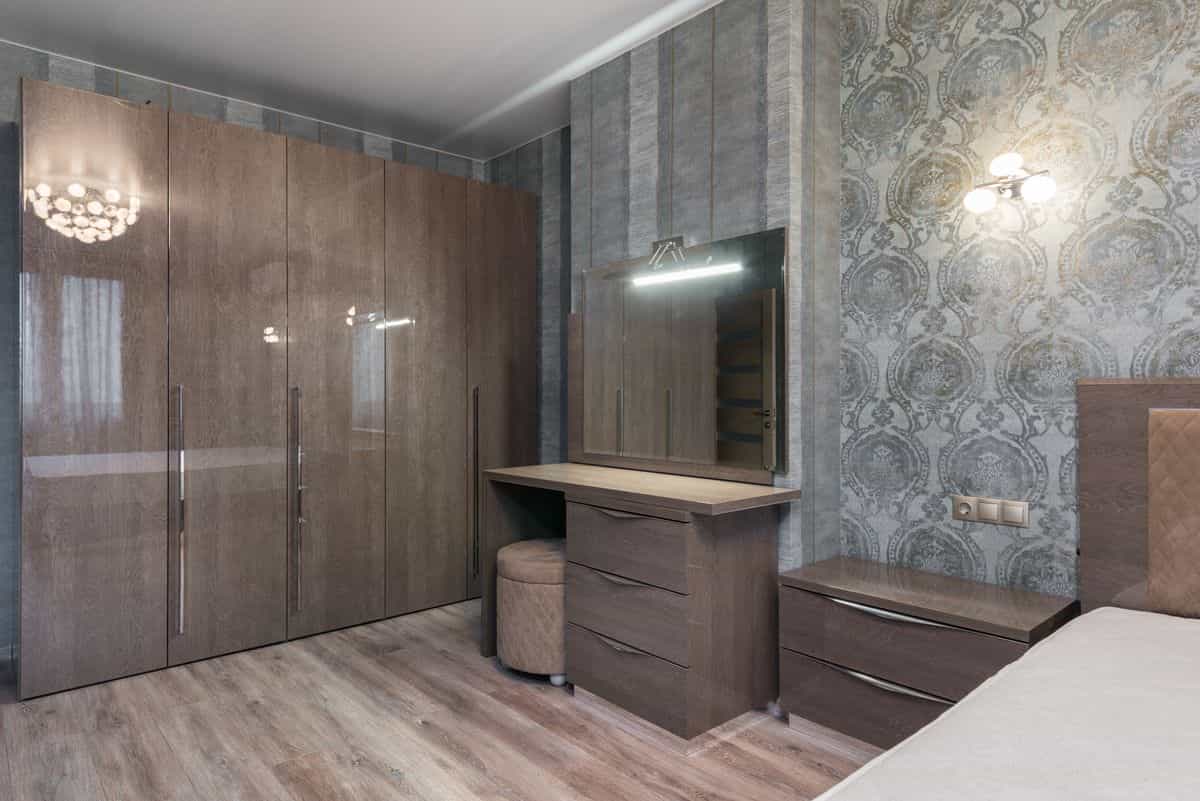
There are two ways to get a dresser with a mirror, and they suit different people.
An attached dresser-and-mirror set comes with a mirror that bolts to the back of the dresser on a frame. The advantage is a guaranteed proportional match and no wall-mounting — useful for renters, since nothing touches the wall. The limit is flexibility: the mirror sits where the manufacturer decided, and you cannot easily reposition it.
A separate mirror hung above a plain dresser gives you full control over size, shape, height, and how far the mirror sits from the top. You can swap the mirror without replacing the dresser, and angle or place it to avoid reflecting the bed. The trade-off is that you have to hang it yourself and judge the proportions.
If you rent or want the simplest setup, buy the matched set. If you own the home or care about getting the proportions and reflection exactly right, a plain dresser plus a separately chosen mirror is the better route. A bedroom bureau with mirror — the older term for the same piece — most often refers to the attached-set version.
Styles: Modern, Traditional, Rustic, and Mirrored Glam
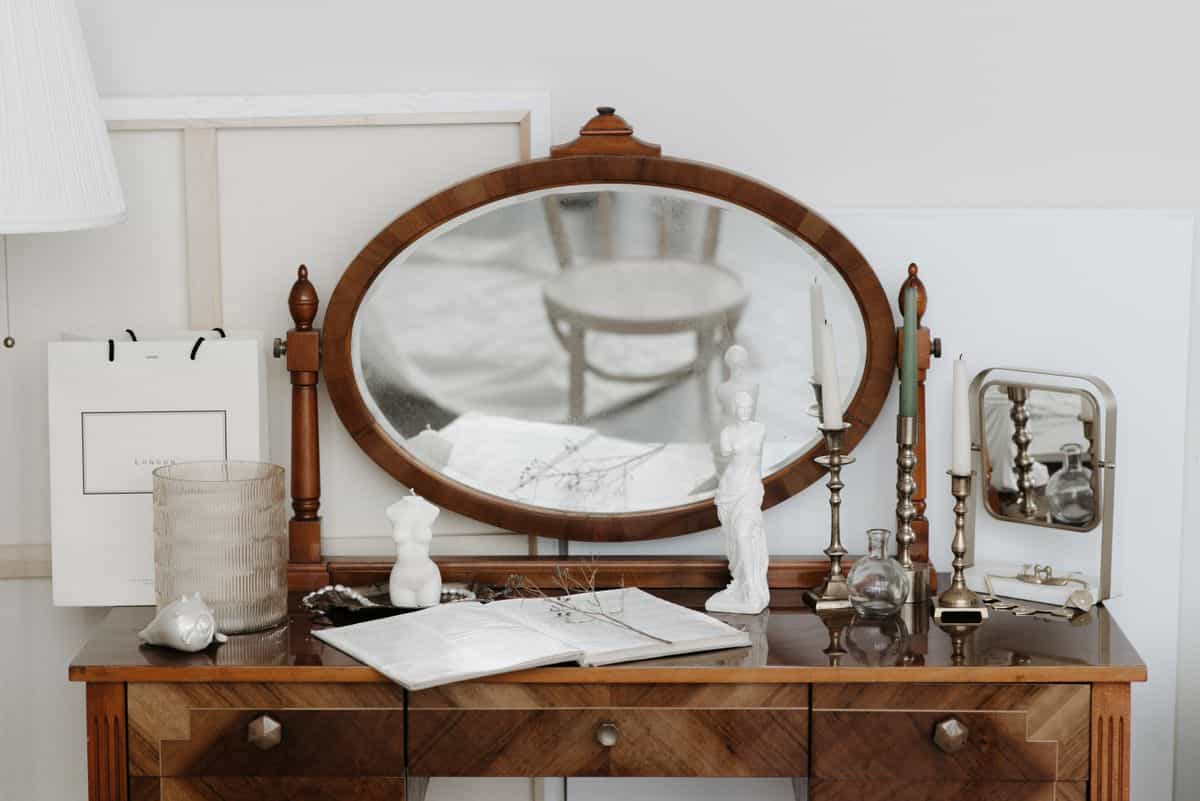
The frame and finish should answer the room, not fight it. The four most common directions:
- Modern / minimalist — clean lines, handle-less or thin-pull drawers, a frameless or thin-framed rectangular mirror. Pale wood, white, or matte black. Best in contemporary rooms where the dresser should recede.
- Traditional — solid wood, panelled drawers, a framed mirror with gentle detailing. Walnut, cherry, or painted finishes. The safe choice in a classic bedroom.
- Rustic / farmhouse — distressed or reclaimed wood, visible grain, a chunky wood-framed mirror. Warm and forgiving; hides wear well.
- Mirrored / glam — a dresser clad in mirror panels, often with a matching frameless mirror above. Maximum light and glamour, but it shows every fingerprint and reflects the most of the room, so placement matters most here.
A dresser is, in the words of the furniture itself, a versatile thing — the chest of drawers has gone by dresser, bureau, and commode across centuries and regions, and the style language has shifted with it. The practical takeaway: pick the finish that shares a thread with what you already own, then stop. Matching everything is not the goal — coordinating is.
Where to Put a Dresser With Mirror
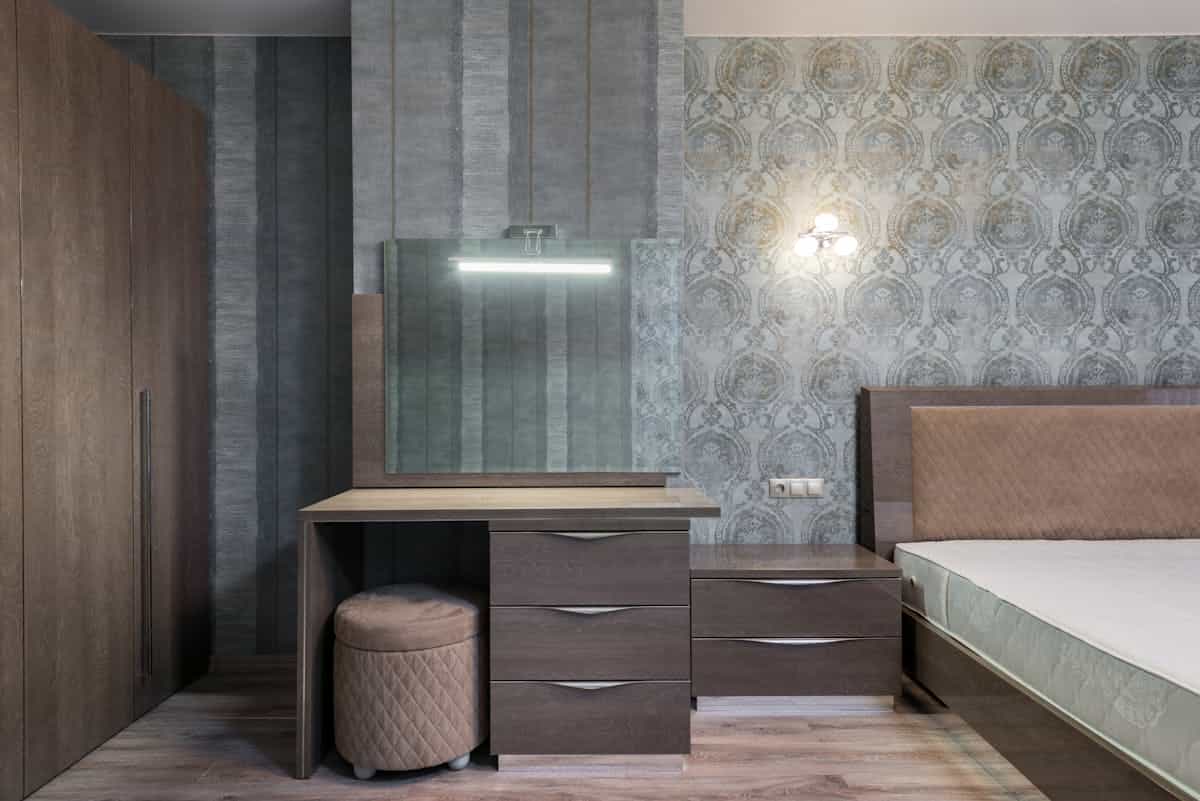
Placement is where function and looks have to agree. A few reliable positions:
- Near your getting-ready zone. Put the dresser with mirror beside the closet or wherever you actually dress, so storage, outfit, and reflection are in one place. This is the most useful placement and the one to default to.
- On a wall without the headboard. A dresser on a blank side wall balances the room visually and keeps the mirror out of the bed's line.
- Reflecting a window or lamp. Angle the piece so the mirror catches daylight or a warm lamp rather than a cluttered corner — that is where the room-brightening effect comes from.
- At the foot of the bed as a media unit. In a small room, a low dresser can double as a TV stand, saving a separate piece of furniture. This is a common reason people choose a dresser with mirror for bedroom layouts that are tight on space.
Two hard requirements regardless of position. Leave 24 to 30 inches of clear floor in front so the drawers open fully without hitting the bed. And avoid placing the dresser mirror directly opposite another mirror — two mirrors facing each other create a restless, repeating corridor that most people find subtly unsettling in a bedroom. For the bedside version of these placement decisions, the guide on mirrors over nightstands covers the same height and reflection logic at a smaller scale.
The Placement Rule Most Guides Skip
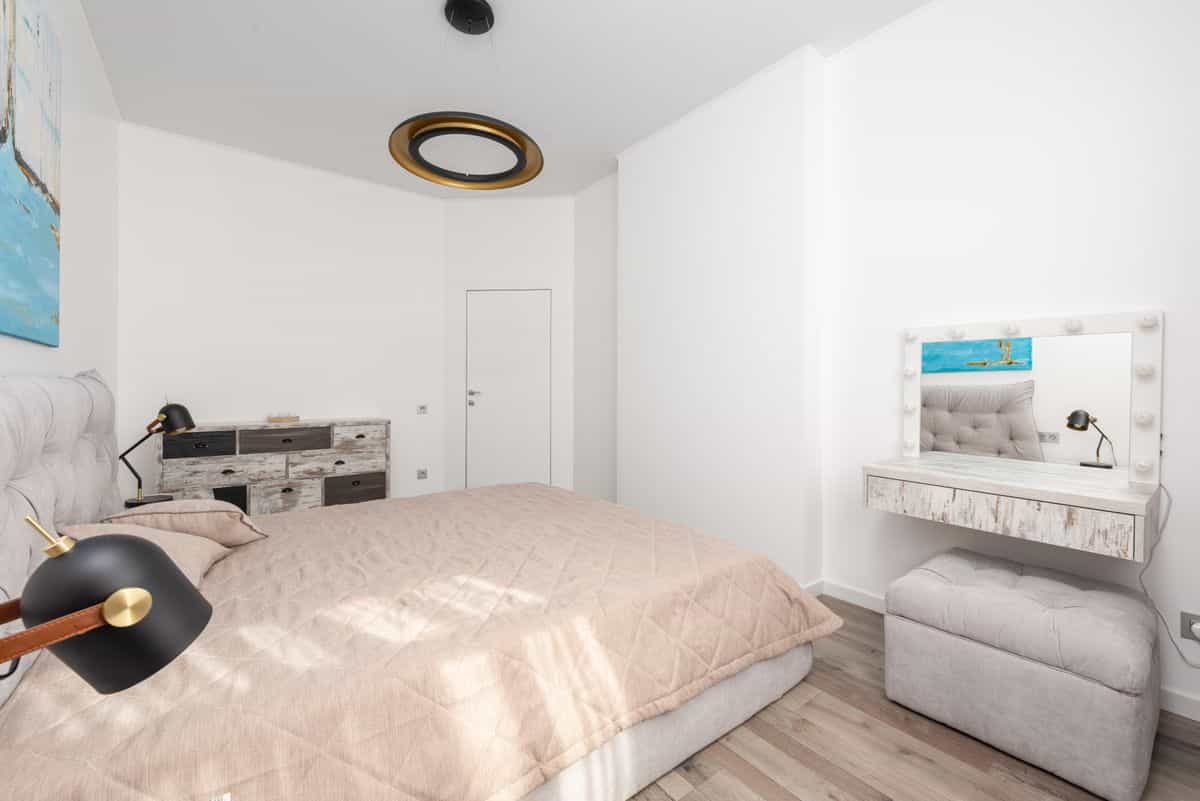
Here is the thing the styling guides leave out: a dresser mirror is still a mirror, so where it faces is not only a decorating question.
The one configuration worth avoiding, where you have any choice, is a dresser mirror that reflects the bed. Two separate reasons land on the same advice. In feng shui, a mirror reflecting the bed is discouraged because the bedroom is meant to be the room where energy settles — a cosmological belief, not a measured effect, and worth treating as exactly that. Separately, there is one mechanism with real evidence behind it: when you fixate in dim light, stationary things in your peripheral vision blur and seem to drift (an effect called Troxler's fading). A reflection you can half-see from the pillow gives a half-asleep, movement-sensitive brain exactly that kind of unstable stimulus. The belief and the perception research arrive from completely different places and point the same way.
This is rarely a real constraint, because a dresser usually lives on a side wall rather than facing the bed. But if your only free wall is the one the bed faces, you have options: angle the mirror slightly downward, choose a dresser without an attached mirror and hang a separate one off to the side, or accept a mirror small enough that it never catches the sleeping area. Keep the broader point in proportion, too — light, temperature, and what you see matter more for sleep than any single object does.
For the full reasoning, our deeper guides work as a placement checklist: whether it is bad to sleep facing a mirror covers the folklore and sleep science together, and if the dresser mirror doubles as your main bedroom mirror, the mirror above the bed guide carries the same logic for larger glass.
Lighting and Styling the Dresser Top
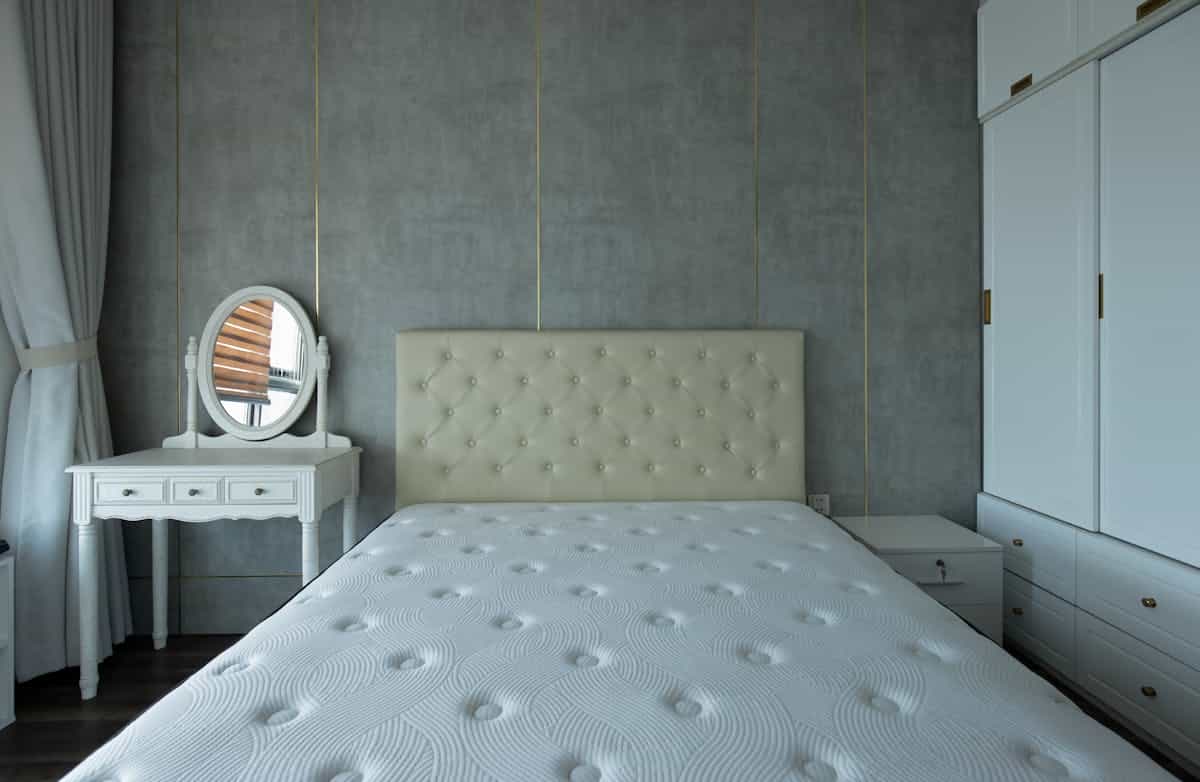
If you use the dresser to actually get ready, lighting decides whether the mirror is flattering or unforgiving.
Aim light at your face from the front or sides, not only from an overhead fixture. Overhead-only light casts shadows down into the eyes and under the nose — the reason public-bathroom mirrors are so harsh. A pair of small table lamps flanking the mirror, or wall sconces either side, gives even, flattering light. Choose warm-neutral bulbs (around 2700–3000K); too cold and the reflection reads clinical, too warm and you cannot judge colour.
For the surface itself, restraint wins. A single tray to corral small items, one lamp, and one or two objects with height — a vase, a stack of books, a plant — is enough. Remember the mirror doubles everything, so style for half of what you think you need. Felt pads under decorative objects stop them scratching the top.
Safety: Anchoring a Dresser With Mirror
A dresser is heavy, and a dresser with a mirror is top-heavy — which makes this the section no styling guide includes and everyone should read.
Furniture tip-overs are a genuine hazard, especially to young children who pull open drawers and climb. The fix is simple and cheap: an anti-tip kit — a strap or L-bracket that screws into a wall stud and into the back of the dresser so it cannot pitch forward. The US Consumer Product Safety Commission's "Anchor It!" campaign exists for exactly this reason, and most new dressers now ship with a tip-restraint included. Use it.
Two more rules that cost nothing:
- Heaviest items in the lowest drawers. Loading the top drawers raises the centre of gravity and makes the dresser easier to tip when a drawer is open.
- Bolt the mirror to the dresser, not just into the brackets. On an attached set, make sure the mirror frame is screwed firmly to the dresser back. A mirror that only rests in its supports can work loose over time.
A dressers for bedroom with mirror purchase is one of the few pieces of furniture where the safety step is not optional — the weight and the height together are the whole reason to anchor it.
Recommended Products
These are the categories worth getting right for a bedroom dresser with mirror — the priority is proportion, flattering light, and a secure, anchored install. (Links go to Amazon search results so you can compare current options.)
- Dresser with mirror set for bedroom — the matched, attached-mirror option.
- Anti-tip furniture anchor kit — the inexpensive strap that makes a top-heavy dresser safe.
- Framed wall mirror for above a dresser — for pairing a separate mirror with a plain dresser.
- Pair of table lamps for a dresser — front and side light that flatters far better than overhead.
- Warm 2700K LED bulbs — so the mirror's light reads warm, not clinical.
- Decorative dresser-top tray — to keep the surface tidy and the reflection calm.
Putting It Together
A dresser with mirror for bedroom use is one of the most efficient pieces you can buy: it stores, it reflects light, and it gives you somewhere to get ready, all in one footprint. Size the mirror to two-thirds the dresser, hang it at eye level, place it where you actually dress, point it away from the bed, and bolt it to the wall — and it stops being two objects and becomes one piece that earns its place.
The dresser will outlast several rooms and probably a few moves. The decision that follows it everywhere is not the finish or the frame — it is what the mirror is pointed at. Aim it at the light.
Mirror FAQ
What size mirror should go above a dresser?
A dresser mirror should be no wider than two-thirds the width of the dresser and no taller than about three-quarters its height. This keeps the mirror in proportion so it enhances the dresser rather than overpowering it. For a standard 50 to 60-inch dresser, that means a mirror roughly 30 to 40 inches wide. If you prefer a single statement mirror, you can go closer to the dresser width, but never wider than the dresser itself.
How high should a dresser mirror be hung?
Hang the mirror so its centre sits at your standing eye level — for most people that puts the bottom of the mirror about 6 to 8 inches above the dresser top. That gap keeps the mirror and dresser reading as one unit while leaving room for lamps, a tray, or decor on the surface. If several people of different heights use it, centre the mirror around 57 to 60 inches from the floor, the standard gallery eye level, which works as a sensible average.
Where should a dresser with mirror be placed in a bedroom?
Place a dresser with mirror where you actually get dressed — near the closet or your morning routine zone — on a wall with at least 24 to 30 inches of clear floor in front so the drawers open fully. A wall without the headboard usually gives the best visual balance, and positioning the mirror to reflect a window or a lamp brightens the room. Avoid placing it directly opposite the bed or facing another mirror.
Is it OK to have a dresser mirror facing the bed?
It is the one placement worth avoiding where you have a choice. In feng shui, a mirror reflecting the bed is discouraged as disruptive to rest — a traditional belief rather than a measured effect. Separately, there is a real perceptual reason: a reflection you can half-see in dim light can keep a half-asleep brain mildly alert. If your only free wall puts the dresser opposite the bed, angle the mirror slightly, use a separate hung mirror placed off to one side, or choose a dresser without an attached mirror for that wall.
Should a dresser and mirror match the rest of the bedroom furniture?
They should coordinate, not necessarily match exactly. A fully matched bedroom set looks cohesive but can feel flat; mixing a dresser with mirror into a room of different pieces looks collected and intentional as long as you share one common thread — the same wood tone, the same metal finish on handles, or a repeated colour. What looks accidental is a dresser that shares no material, colour, or era with anything else in the room.
How do you anchor a dresser with mirror so it will not tip?
Use an anti-tip kit: a strap or L-bracket that screws into a wall stud and into the back of the dresser, so the piece cannot pull forward when drawers are open or climbed on. This matters most in homes with young children, since loaded drawers shift the centre of gravity forward. Put heavier items in the lower drawers, never the top, and make sure an attached mirror is bolted firmly to the dresser back rather than just resting in its brackets.