Magnolia Wall Art: Styles, Sizes & How to Hang Them
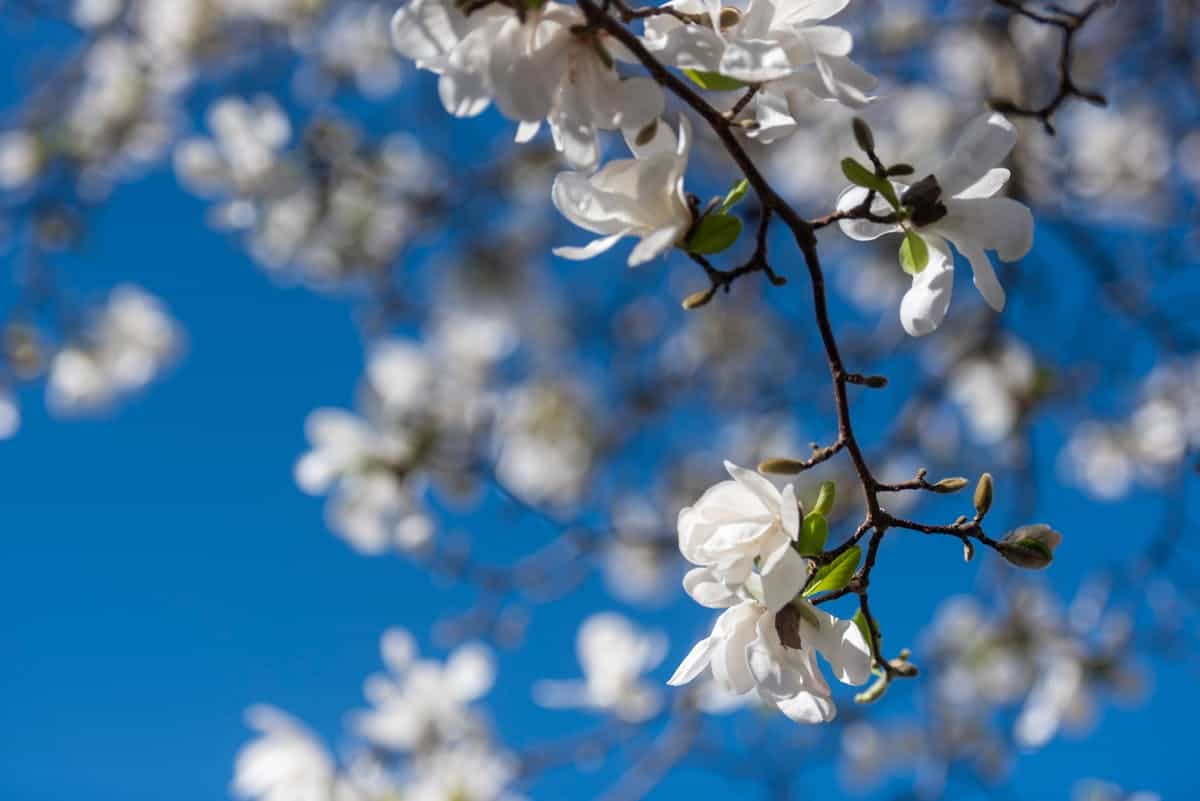
If you have decided magnolia wall art is the look you want, the practical questions are the ones that actually trip people up: which style, what size, and how to get it on the wall straight. Here is the short version first.
Choose a style that matches your room (framed botanical prints for traditional spaces, canvas or multi-panel for modern ones), size the piece to about two-thirds the width of the furniture below it, and hang it so the center sits 57–60 inches from the floor — or 6–10 inches above the furniture. The rest is detail, and it is all below.
There is a reason this particular flower keeps showing up on walls, and it is worth a sentence before the how-to. The magnolia is one of the oldest flowering plants on earth, with big, calm, architectural blooms — so as art it reads as serene and quietly grand rather than busy. That is the whole appeal, and it shapes every choice that follows.
What Makes Magnolia Wall Art Work
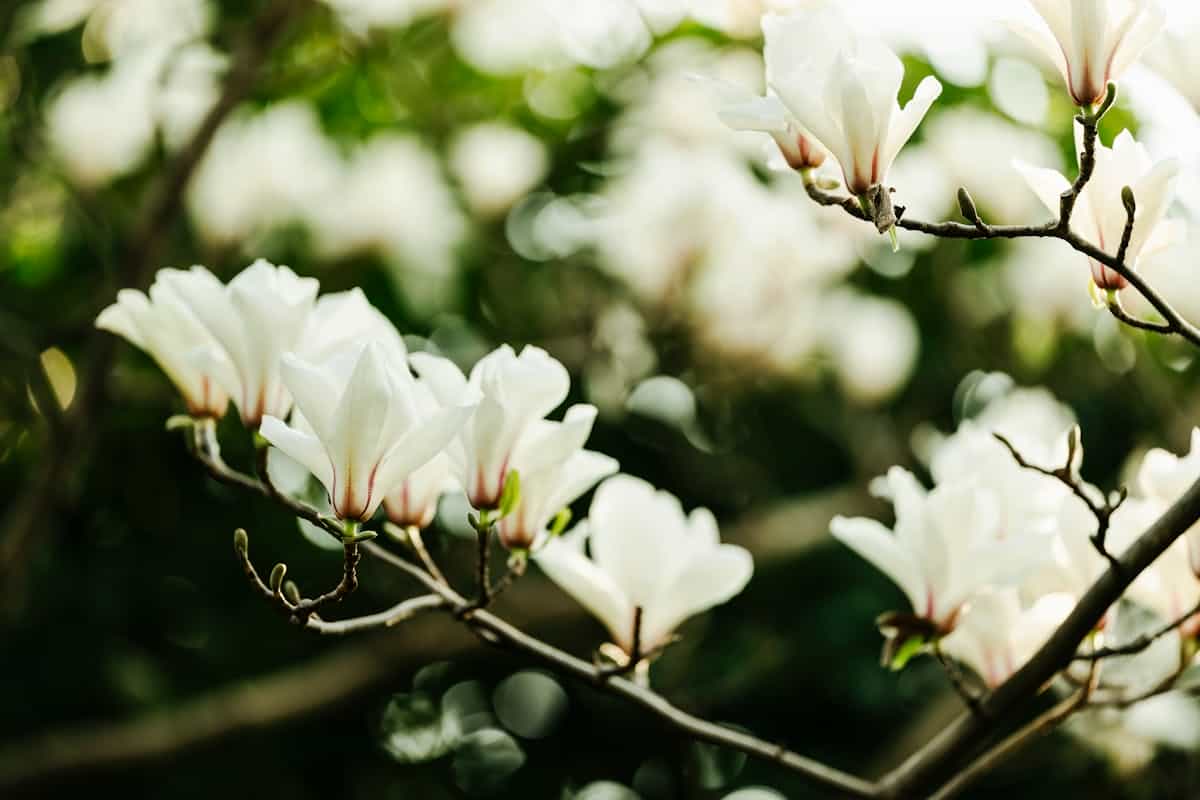
A magnolia bloom is large, simple, and symmetrical — a few broad petals, a clear silhouette, no clutter. That is exactly what makes it work as wall art: it fills a frame with one calm shape rather than a fussy tangle, so it carries a wall without overwhelming a room.
It also brings meaning, if you want it. The magnolia is widely read as a symbol of dignity, perseverance, and quiet strength, and it has a strong regional identity as the flower of the American South — it is the state flower of both Mississippi and Louisiana. Those associations are cultural rather than rules, but they are part of why a magnolia over the sofa feels grounded and welcoming rather than merely decorative. The honest version: the flower does not do anything to a room's energy, but its associations and its clean form genuinely make a space feel more composed.
The Main Styles of Magnolia Wall Art
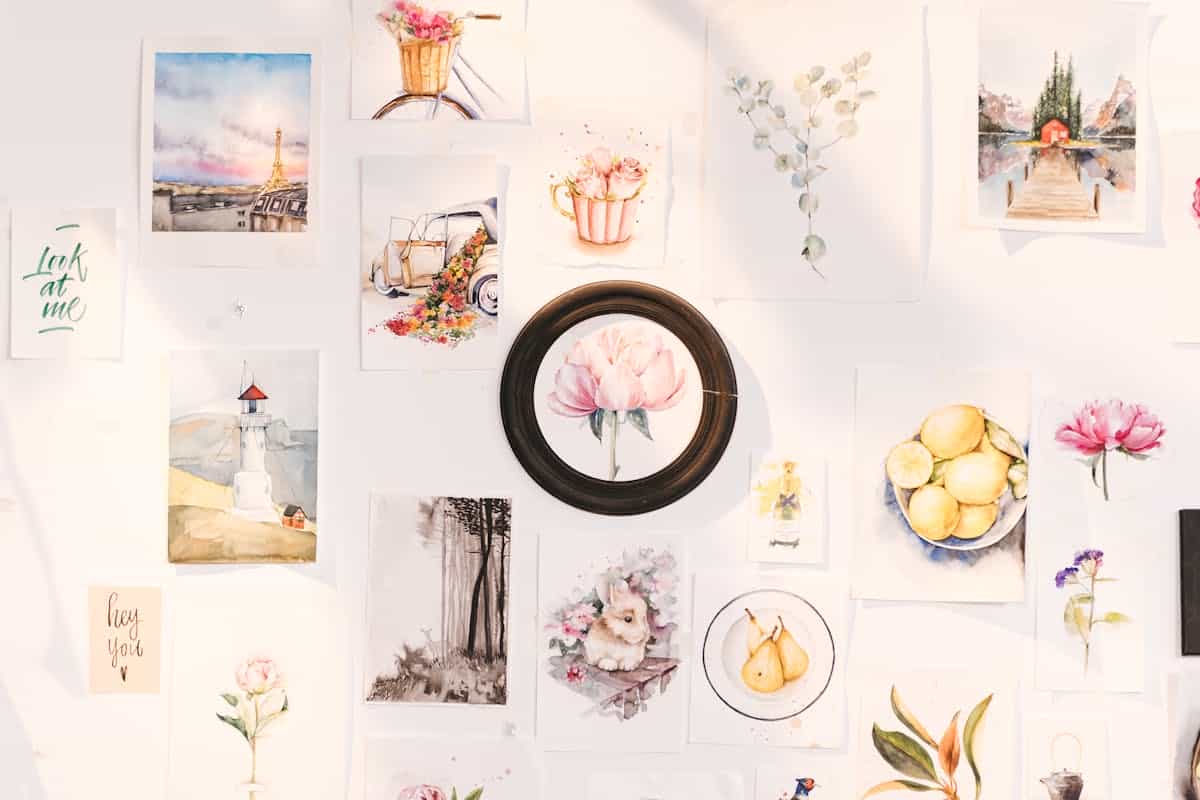
"Magnolia wall art" covers more formats than most people expect. The main ones, and the rooms they suit:
- Framed botanical prints. A single bloom or branch on a clean background, behind glass in a wood or metal frame. The most classic look — at home in traditional, farmhouse, and cottage rooms.
- Canvas prints. No glass, a soft matte surface, often gallery-wrapped over a frame. Lighter, more casual, and well suited to modern and minimalist spaces.
- Multi-panel sets. One magnolia image split across two to five panels with small gaps between them. Reads as contemporary and fills a wide wall (above a sofa) without one giant frame.
- Watercolor and line art. Soft, painterly washes for a gentle look, or simple ink outlines for a modern, graphic feel.
- Dimensional pieces. Carved wood or metal magnolia wall sculptures that add real texture and shadow — closer to decor than picture.
Match the style to the room rather than buying in the abstract, and the same flower can read as rustic, romantic, or sleekly modern.
Choosing the Right Color
Color decides the mood as much as the style does:
- Classic white magnolias read as fresh, calm, and timeless — the safest choice for a restful room.
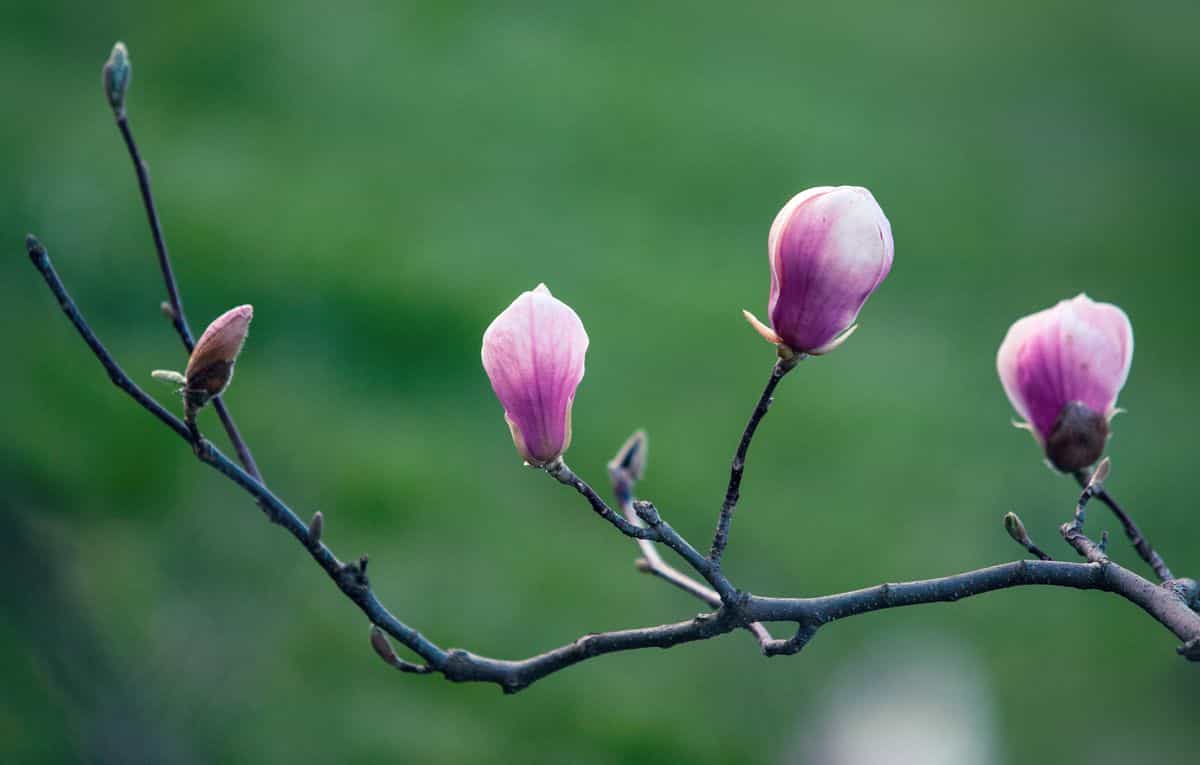
- Blush and pink magnolias add warmth and a soft romance, lovely in bedrooms.
- Black-and-white or ink versions feel graphic and modern, and make a confident statement in a dining room or hallway.
- Full-color botanical prints, with green leaves and brown branches, bring the most "nature indoors" feel and pair well with wood tones and plants.
Pick the version that echoes a color already in the room — a cushion, a rug, the wood of your furniture — and the art will look intentional rather than added on.
What Size to Buy
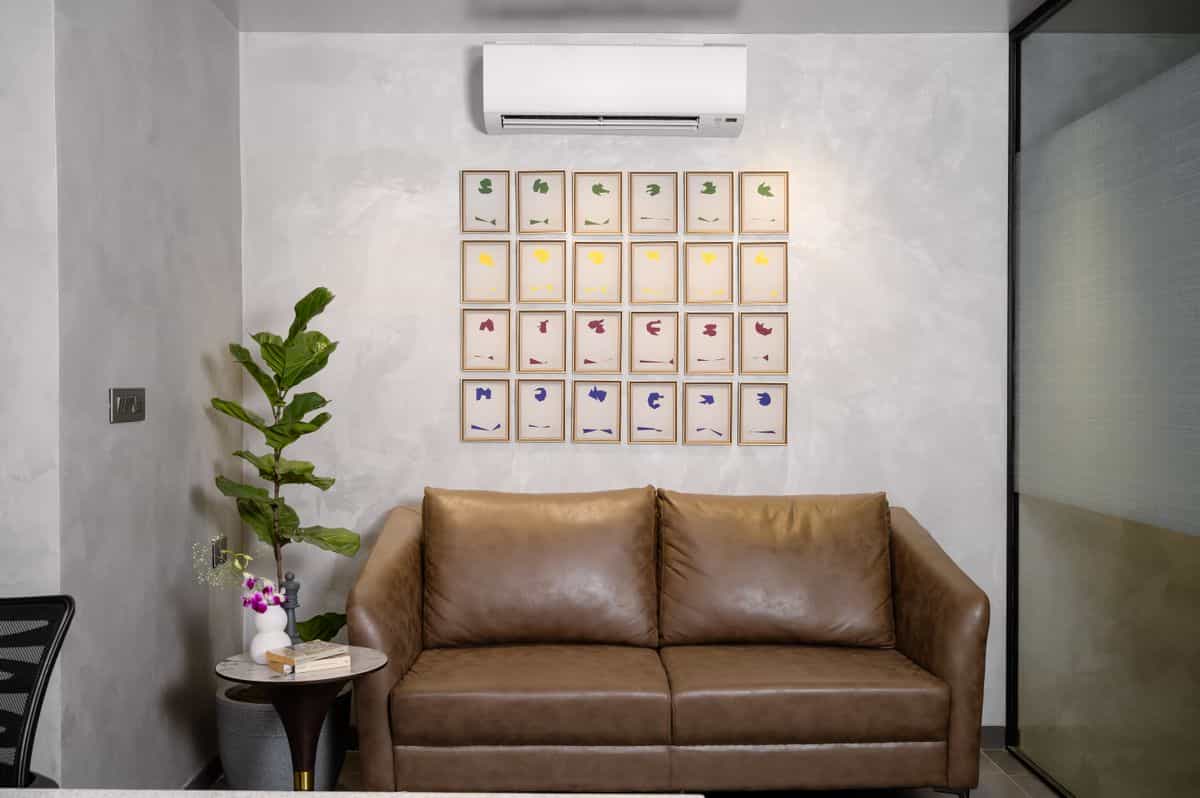
This is where most people go wrong, almost always by buying too small. The fix is to size the art to what sits below it, not to the whole wall.
- Above a sofa, bed, or console: the piece — or the full set, gaps included — should span about two-thirds to three-quarters of the furniture's width. A 90-inch sofa wants art (or a grouping) roughly 60–68 inches wide.
- On an empty wall: a single piece should fill about 60–75% of the usable wall space, leaving a comfortable margin around it.
As a rough sizing vocabulary: a small accent piece runs up to about 22 inches wide, a medium 24–36 inches, and a large statement piece 40 inches or more. When you are torn between two sizes, go bigger — undersized art is the single most common decorating mistake, and a too-small magnolia print stranded on a wide wall looks like a postage stamp.
How to Hang It Straight
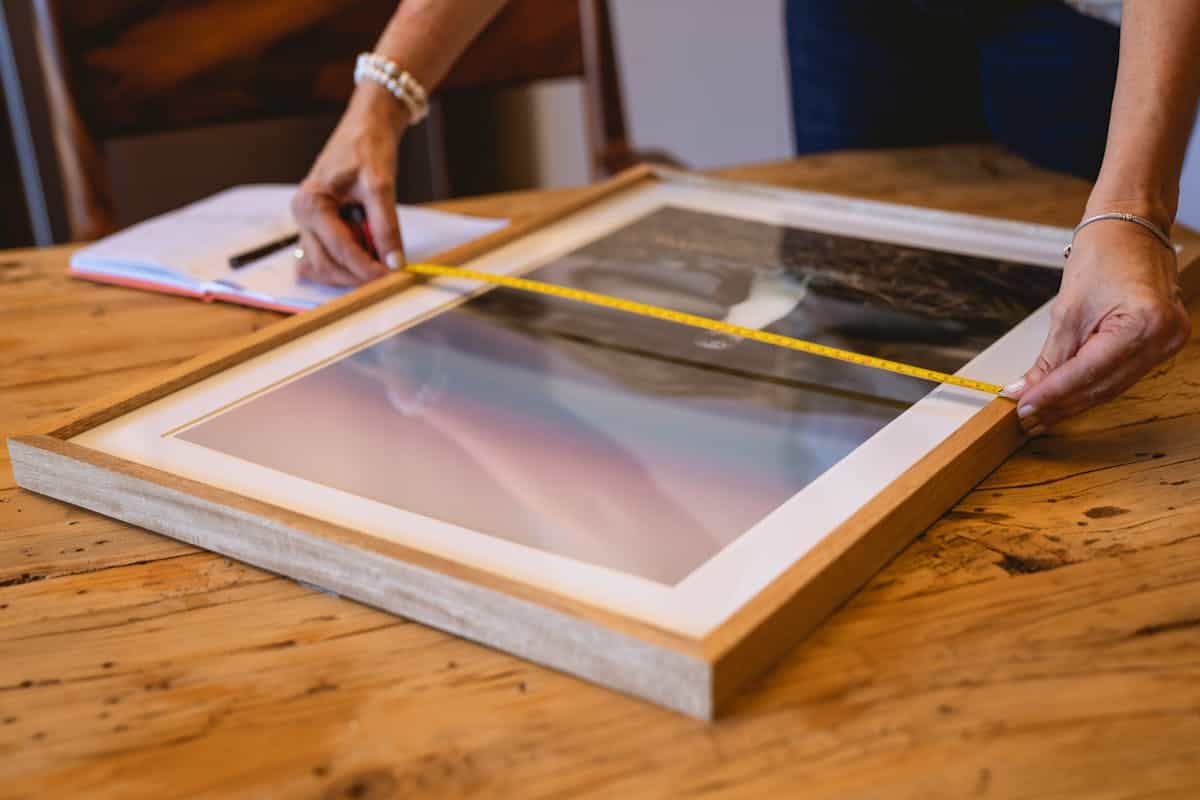
The height rule is the one worth memorizing, because galleries settled it long ago: hang the piece so its center is 57–60 inches from the floor, which puts it at average eye level. The most common error is hanging too high.
There is one important exception. When the art hangs above furniture, forget the floor measurement and instead leave a gap of about 6–10 inches between the top of the sofa or headboard and the bottom of the frame — close enough that the art and the furniture read as one group rather than two unrelated objects. (For the bedroom version of this height question, the how high to hang a mirror in a bedroom guide works through the same math for mirrors.)
The steps, in order:
- Mark your center line — for a single piece, 57–60 inches from the floor, or the 6–10 inch gap above furniture.
- Measure the drop. Pull the hanging wire taut and measure from the top of the frame to the wire; subtract that to find exactly where the hook goes.
- Use the right anchor. Into a stud is best; otherwise use a wall anchor or hook rated for the weight, especially for heavier framed-glass and metal pieces.
- Level it. A small spirit level (or your phone's) across the top before the final tap saves a crooked frame.
Building a Magnolia Gallery Wall
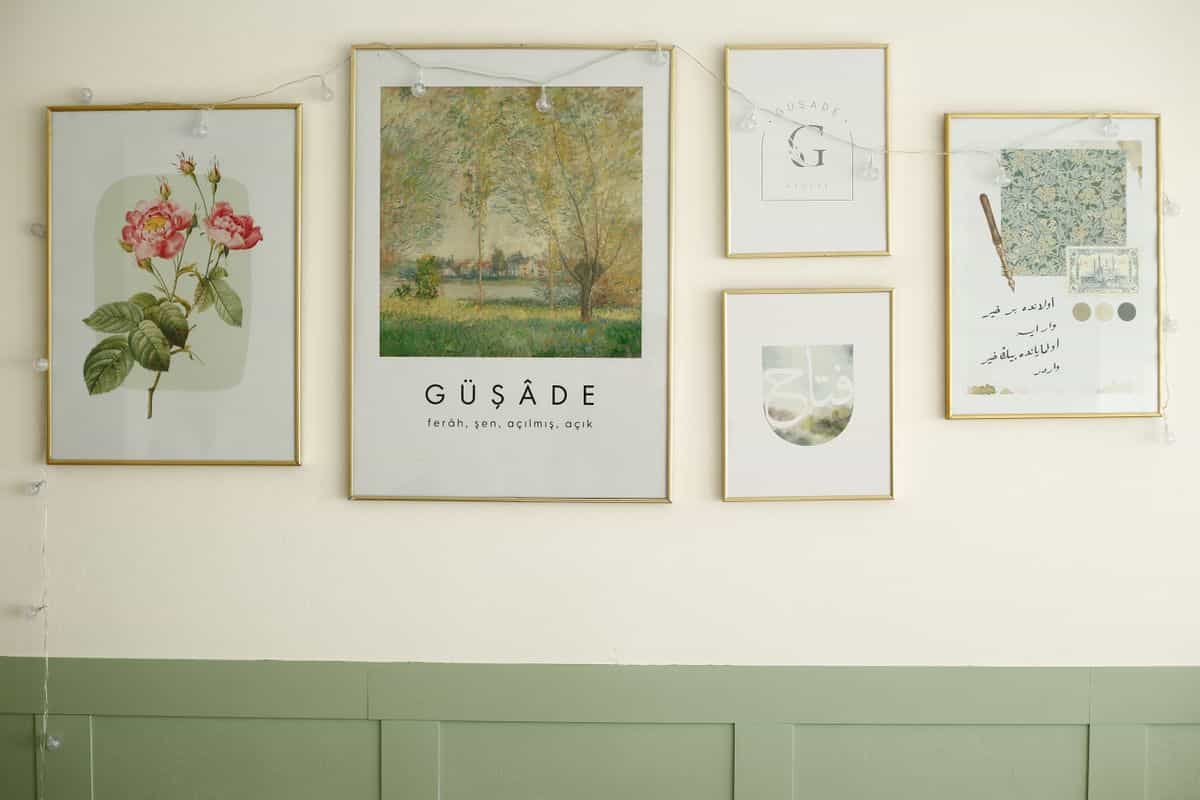
If one piece will not fill the wall, a grouping will — and it does not have to be intimidating. The trick the pros use is to do all the deciding before anything touches the wall.
- Lay it out on the floor first. Arrange and rearrange the frames on the floor in front of the wall until the composition looks balanced, keeping a consistent 2–3 inch gap between pieces.
- Make paper templates. Trace each frame onto kraft paper or newspaper, cut them out, and tape them to the wall with painter's tape. Now you can preview the whole layout — and mark each hook through the paper — without a single trial hole.
- Keep it unified. Stick to two or three frame styles or colors, and either repeat the magnolia motif throughout or pair it with related botanicals and a calm neutral or two.
- Hang from the middle out. Place the central or largest piece first, then work outward so the arrangement stays balanced.
This is also where the styles, sizes, and placement logic of an entryway display carries straight over — a gallery wall obeys the same balance rules wherever it lives.
Where to Hang Magnolia Art, Room by Room
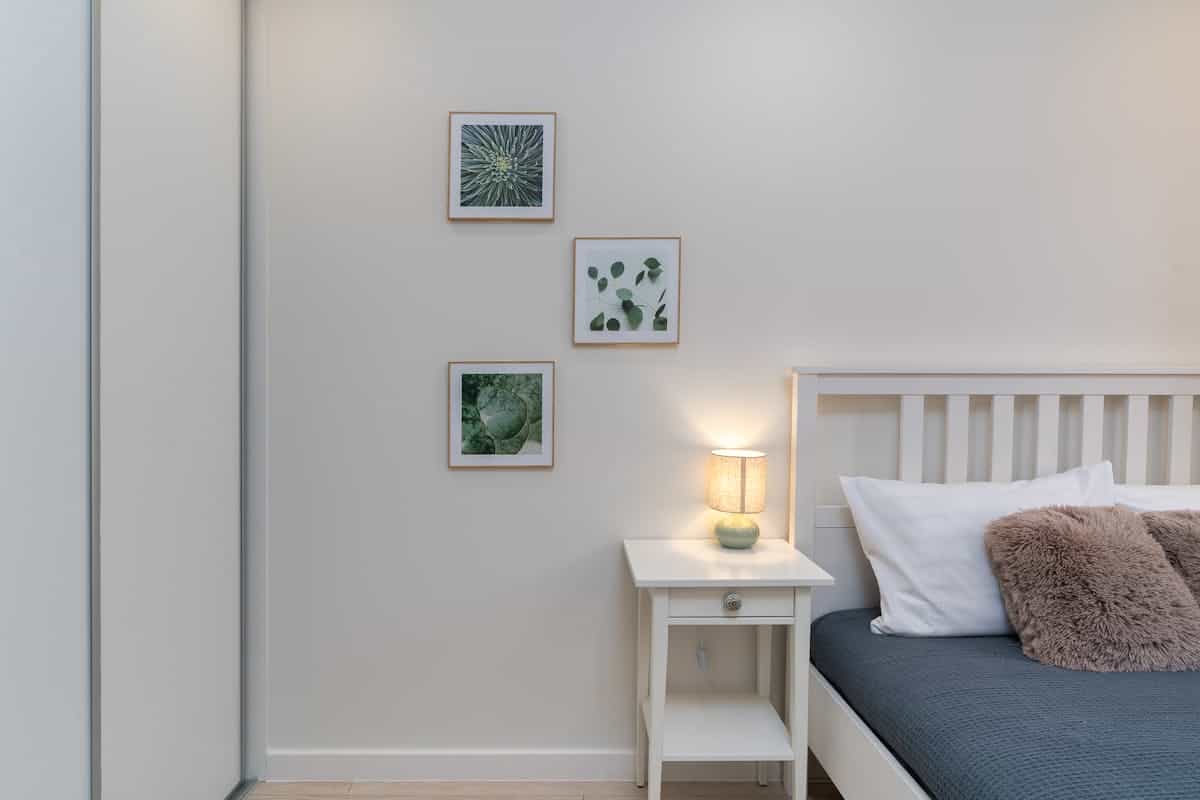
The flower is versatile, but each room has a sweet spot:
- Living room: above the sofa is the classic focal point — a single large piece or a multi-panel set, sized to the couch.
- Bedroom: above the bed, where soft white or blush magnolias reinforce a restful mood. The styling logic for art and mirrors above a bed applies here too — keep it centered and secured.
- Entryway: a welcoming first impression; a tall single print suits a narrow wall.
- Dining room: a bolder black-and-white or framed set holds the room without competing with the table.
One practical caution: framed paper prints do not love humidity or heat. In a steamy bathroom or directly above a radiator, choose canvas or metal instead, which shrug off the conditions that warp and foxing-spot paper.
A Note on Quality
It is worth knowing what separates a print that lasts from one that fades. Good wall art is printed with UV-resistant, colorfast inks on archival paper or quality canvas, which is what keeps a white magnolia white instead of letting it yellow in a sunny room over a couple of years. The tradition of rendering plants precisely — botanical illustration — is centuries old, and the best magnolia prints still reward that accuracy: a botanically faithful bloom simply reads as more elegant than a vague floral blob. If a piece will hang in direct sun, archival inks are worth paying for.
Recommended Products
These are the categories worth browsing for magnolia wall art and the tools to hang it well. (Links go to Amazon search results so you can compare current options.)
- Framed magnolia botanical prints — the classic single-bloom or branch look.
- Magnolia canvas wall art — glass-free and humidity-friendly.
- Multi-panel magnolia art set — to span a wide wall above a sofa.
- Carved wood or metal magnolia wall decor — for texture and dimension.
- Picture-hanging kit with anchors and level — studs, anchors, and a level in one.
- Sawtooth hooks and wall anchors — for heavier framed and metal pieces.
The One Thing to Carry Away
Strip away the shopping and the hardware, and magnolia wall art rewards the same instinct the flower itself has: be big, be calm, and don't crowd. Buy the size that actually fits the wall, hang it where the eye naturally lands, and let one clear bloom do the work that a dozen small frames cannot.
Get those two things right — the size and the height — and almost any magnolia print looks like it was always meant to be there. The flower has been quietly impressive for a hundred million years. On your wall, it only has to be impressive for the length of a glance from the doorway.
Mirror FAQ
What styles of magnolia wall art are there?
The main styles are framed botanical prints (a single bloom or branch on a clean background), canvas prints (no glass, a soft matte look), multi-panel sets that split one magnolia image across two to five panels, watercolor and ink line-art versions for a softer or more modern feel, and dimensional pieces like carved wood or metal magnolia wall sculptures. Color choices run from classic white magnolias to blush pink and dramatic black-and-white. Match the style to your room: framed prints suit traditional and farmhouse rooms, canvas and multi-panel suit modern spaces, and metal or carved wood adds texture.
What size magnolia wall art should I get?
Size it to what is below it, not to the whole wall. Over a sofa or bed, the art (or the full set) should span roughly two-thirds to three-quarters of the furniture's width. On an empty wall, a single piece should fill about 60 to 75 percent of the usable wall space. As a rough guide: a small accent piece is up to about 22 inches wide, a medium 24 to 36 inches, and a large statement piece 40 inches or more. When in doubt, go slightly bigger — the most common mistake is hanging art that is too small.
How high should I hang magnolia wall art?
Hang it so the center of the piece sits about 57 to 60 inches from the floor — the gallery standard, set at average eye level. When the art hangs above furniture, ignore the floor measurement and instead leave a gap of about 6 to 10 inches between the top of the furniture and the bottom of the frame, so the piece relates to the sofa or bed rather than floating above it. For a gallery wall, treat the whole arrangement as one block and center that block at 57 to 60 inches.
How do you hang a magnolia gallery wall?
Lay every piece on the floor first and arrange it there until it looks right, keeping a consistent 2 to 3 inch gap between frames. Trace each frame onto kraft paper or newspaper, cut out the templates, and tape them to the wall with painter's tape to preview the layout and mark the hook positions — this lets you adjust without extra holes. Stick to two or three frame styles or colors for a unified look, hang the central or largest piece first, and work outward from there.
What does a magnolia symbolize in wall art?
The magnolia is widely associated with dignity, beauty, perseverance, and a calm kind of strength, partly because the tree is ancient and its blooms appear boldly in early spring. It also carries a strong regional identity as a symbol of the American South, where it is the state flower of both Mississippi and Louisiana. Those associations are cultural rather than fixed rules — but they are part of why magnolia art reads as serene and grounded, and why it suits spaces meant to feel restful and welcoming.
Where is the best place to hang magnolia wall art in a home?
Magnolia art suits almost any room, but it shines as a calm focal point above a sofa, above a bed, or in an entryway where it sets a welcoming tone. Soft white or blush magnolias work beautifully in bedrooms and living rooms for a restful feel; bolder black-and-white or multi-panel pieces make a statement in dining rooms and hallways. Keep humidity in mind — a steamy bathroom or directly above a heat source is hard on framed paper prints, so favour canvas or metal there.